Dental problems, from cavities to gum disease, are often perceived as inevitable. But what if you could significantly reduce your risk and maintain a healthy, bright smile for life? The answer lies in effective dental prevention, a proactive approach to oral health that empowers you to take control and minimize the need for extensive and costly treatments down the line. This comprehensive guide will walk you through the key aspects of dental prevention, offering practical tips and insights to help you achieve optimal oral health.
Understanding the Importance of Dental Prevention
Why Prevention is Better Than Cure
When it comes to your teeth, a little prevention goes a long way. Focusing on preventive measures can save you time, money, and discomfort in the long run.
- Reduces the risk of cavities and gum disease: Regular brushing and flossing remove plaque, the sticky film of bacteria that causes tooth decay and gum inflammation.
- Saves money on costly treatments: Preventive care is significantly cheaper than treatments like fillings, root canals, and extractions.
- Maintains a brighter smile: Stain removal and polishing during professional cleanings help keep your teeth looking their best.
- Improves overall health: Studies have linked poor oral health to various systemic diseases, including heart disease, diabetes, and respiratory infections.
- Early detection of problems: Routine check-ups allow your dentist to identify and address potential issues before they become serious.
For example, catching a small cavity early can be resolved with a simple filling, while neglecting it could lead to a root canal or even tooth loss.
Statistics Highlighting the Need for Prevention
Despite advancements in dental care, many people still suffer from preventable oral health problems. Consider these statistics:
- According to the World Health Organization (WHO), oral diseases affect nearly 3.5 billion people worldwide.
- The CDC reports that 20% of children aged 5-11 years have at least one untreated decayed tooth.
- Approximately 47.2% of adults aged 30 years and older have some form of periodontal (gum) disease, according to the American Academy of Periodontology.
These numbers underscore the urgent need for greater emphasis on dental prevention.
Mastering Your Daily Oral Hygiene Routine
Brushing Techniques and Tips
Effective brushing is the foundation of good oral hygiene. Here’s how to do it right:
- Use a soft-bristled toothbrush: Hard bristles can damage your gums and enamel.
- Brush for at least two minutes: Most people don’t brush long enough. Set a timer or use an electric toothbrush with a built-in timer.
- Use fluoride toothpaste: Fluoride strengthens tooth enamel and helps prevent cavities.
- Use gentle, circular motions: Avoid scrubbing back and forth, which can irritate your gums.
- Clean all surfaces of your teeth: Don’t forget the inner, outer, and chewing surfaces.
- Brush your tongue: This helps remove bacteria and freshen your breath.
- Replace your toothbrush every three months: Or sooner if the bristles are frayed.
A practical example: Imagine brushing each tooth individually, spending a few seconds on each surface. This ensures you’re not missing any spots.
The Importance of Flossing
Flossing removes plaque and food particles from between your teeth, where your toothbrush can’t reach. This is crucial for preventing cavities and gum disease.
- Floss at least once a day: Preferably before bedtime.
- Use about 18 inches of floss: Wind most of it around your middle fingers, leaving a few inches to work with.
- Gently guide the floss between your teeth: Use a sawing motion.
- Curve the floss around each tooth: Clean beneath the gumline.
- Use a clean section of floss for each tooth: Avoid spreading bacteria.
If you find traditional flossing difficult, consider using floss picks or interdental brushes.
Choosing the Right Oral Hygiene Products
Selecting the right products can enhance your oral hygiene routine. Consider the following:
- Toothpaste: Look for fluoride toothpaste with the ADA Seal of Acceptance.
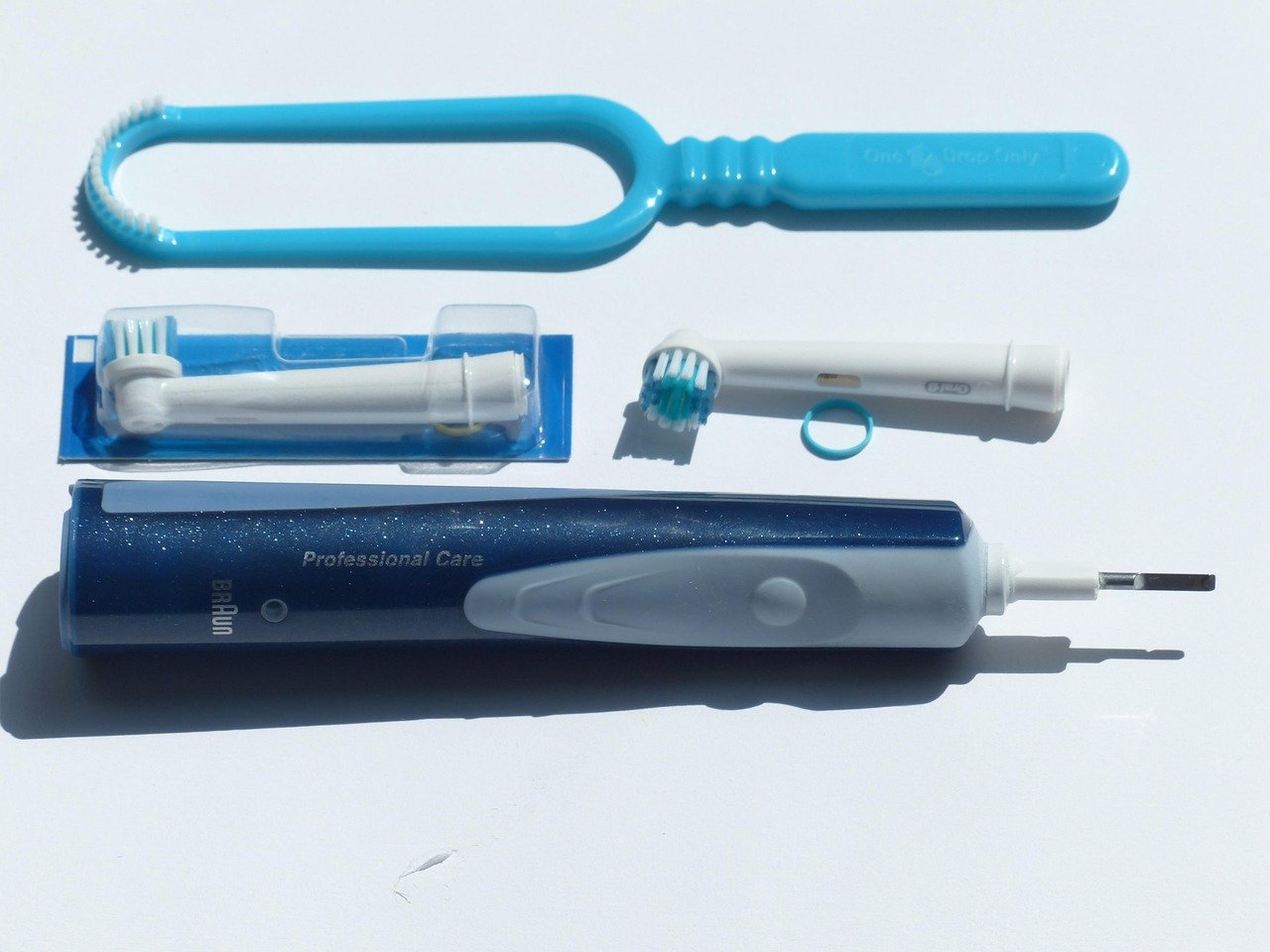
- Toothbrush: Choose a soft-bristled toothbrush that fits comfortably in your mouth. Electric toothbrushes can be particularly effective.
- Floss: Experiment with different types of floss to find one you like, such as waxed, unwaxed, or flavored floss.
- Mouthwash: Fluoride mouthwash can help strengthen enamel and prevent cavities. Antimicrobial mouthwash can help kill bacteria and reduce plaque.
The Role of Diet in Dental Health
Foods That Promote Healthy Teeth
A balanced diet plays a significant role in maintaining strong, healthy teeth. Incorporate these foods into your diet:
- Dairy products: Milk, cheese, and yogurt are rich in calcium and phosphorus, which strengthen tooth enamel.
- Leafy green vegetables: Spinach, kale, and other greens are packed with vitamins and minerals that support oral health.
- Fruits and vegetables: Crisp fruits and vegetables like apples, carrots, and celery stimulate saliva production, which helps neutralize acids and wash away food particles.
- Nuts and seeds: Almonds, walnuts, and pumpkin seeds are good sources of calcium and phosphorus.
- Water: Drinking plenty of water helps keep your mouth hydrated and washes away food debris.
Foods and Drinks to Limit or Avoid
Certain foods and drinks can contribute to tooth decay and other oral health problems. Limit your consumption of these items:
- Sugary snacks and drinks: Candy, soda, and fruit juice are high in sugar, which feeds bacteria in your mouth and produces acids that erode tooth enamel.
- Acidic foods and drinks: Citrus fruits, tomatoes, and vinegar can erode tooth enamel over time.
- Sticky foods: Caramels, gummy candies, and dried fruit can stick to your teeth and promote plaque buildup.
- Highly processed carbohydrates: White bread, crackers, and chips can break down into sugars in your mouth.
If you do consume these items, brush your teeth or rinse your mouth with water afterward.
The Impact of Sugary Drinks on Enamel
Sugary drinks are particularly harmful to your teeth. The frequent exposure to sugar creates an acidic environment in your mouth, which weakens and erodes enamel. Consider switching to water, unsweetened tea, or sugar-free beverages.
Regular Dental Check-ups and Professional Cleanings
What to Expect During a Dental Check-up
Regular dental check-ups are essential for maintaining optimal oral health. During a typical check-up, your dentist will:
- Examine your teeth and gums: Look for signs of cavities, gum disease, and other oral health problems.
- Take X-rays: To detect hidden problems, such as cavities between teeth or bone loss.
- Perform a professional cleaning: To remove plaque and tartar from your teeth.
- Provide personalized advice: On how to improve your oral hygiene routine and prevent future problems.
The Benefits of Professional Cleanings
Professional cleanings remove plaque and tartar that you can’t remove with brushing and flossing alone. This helps prevent cavities, gum disease, and bad breath. Professional cleanings also involve polishing your teeth to remove stains and improve their appearance.
Recommended Frequency of Dental Visits
Most dentists recommend visiting them every six months for check-ups and cleanings. However, some people may need to visit more frequently, depending on their individual oral health needs. Factors that may increase the frequency of visits include:
- History of cavities or gum disease
- Certain medical conditions, such as diabetes
- Smoking
- Pregnancy
Your dentist can help you determine the optimal frequency of visits based on your individual needs.
Addressing Specific Oral Health Concerns
Preventing Gum Disease
Gum disease, also known as periodontal disease, is an infection of the gums and bone that support your teeth. It is a leading cause of tooth loss in adults. Here’s how to prevent it:
- Maintain excellent oral hygiene: Brush and floss regularly to remove plaque and tartar.
- Visit your dentist regularly: For check-ups and professional cleanings.
- Don’t smoke: Smoking increases your risk of gum disease.
- Manage underlying health conditions: Such as diabetes.
Preventing Cavities
Cavities are caused by bacteria that produce acids that erode tooth enamel. Here’s how to prevent them:
- Brush and floss regularly: To remove plaque and food particles.
- Use fluoride toothpaste and mouthwash: Fluoride strengthens tooth enamel.
- Limit sugary and acidic foods and drinks: These contribute to tooth decay.
- Consider dental sealants: Sealants are thin plastic coatings that are applied to the chewing surfaces of your molars to prevent cavities.
Addressing Bad Breath
Bad breath, also known as halitosis, can be caused by poor oral hygiene, dry mouth, or underlying medical conditions. Here’s how to address it:
- Maintain excellent oral hygiene: Brush and floss regularly.
- Clean your tongue: Use a tongue scraper or toothbrush to remove bacteria.
- Stay hydrated: Drink plenty of water to prevent dry mouth.
- Chew sugar-free gum: To stimulate saliva production.
- See your dentist: To rule out underlying oral health problems.
Conclusion
Dental prevention is a powerful tool for maintaining a healthy, beautiful smile for life. By embracing a proactive approach to oral health, you can significantly reduce your risk of cavities, gum disease, and other dental problems. Remember to brush and floss daily, maintain a healthy diet, visit your dentist regularly, and address any specific oral health concerns promptly. Making dental prevention a priority will not only benefit your oral health but also contribute to your overall well-being. Start implementing these tips today and enjoy the confidence that comes with a healthy smile!