A bright, healthy smile isn’t just about aesthetics; it’s a cornerstone of overall well-being. While daily brushing and flossing are essential, they’re often not enough to remove all the plaque and tartar buildup that can lead to dental problems. That’s where professional dental cleaning steps in, offering a deeper clean and safeguarding your oral health. This comprehensive guide will explore the ins and outs of professional dental cleanings, helping you understand their importance and what to expect during your appointment.
What is Professional Dental Cleaning?
Understanding the Process
A professional dental cleaning, also known as prophylaxis, is a thorough cleaning of your teeth performed by a dentist or dental hygienist. It goes beyond what you can achieve at home, targeting areas where plaque and tartar accumulate, often missed by regular brushing and flossing.
- Plaque Removal: Plaque is a sticky film of bacteria that constantly forms on your teeth.
- Tartar Removal: If plaque isn’t removed, it hardens into tartar (also called calculus), which is much more difficult to remove and requires professional tools.
Who Needs a Professional Dental Cleaning?
Everyone! Regardless of how diligent you are with your home oral hygiene, professional cleanings are recommended for everyone. Most dentists recommend getting a cleaning every six months, but the frequency can vary based on individual needs, such as:
- Individuals with a History of Gum Disease: More frequent cleanings (every 3-4 months) may be needed to manage inflammation and prevent further progression.
- Patients with Braces: Braces make it harder to clean all surfaces of the teeth, increasing the risk of plaque and tartar buildup.
- People with Certain Medical Conditions: Conditions like diabetes can increase the risk of gum disease, making regular professional cleanings even more important.
- Smokers: Smoking increases the risk of gum disease and oral cancer, making regular cleanings vital.
Benefits of Professional Dental Cleaning
Maintaining Oral Health
The primary benefit of professional cleaning is maintaining optimal oral health.
- Prevention of Gum Disease (Gingivitis and Periodontitis): By removing plaque and tartar, cleanings help prevent inflammation and infection of the gums. Periodontal disease affects 47.2% of adults over 30 in the United States, according to the CDC.
- Prevention of Tooth Decay (Cavities): Removing plaque reduces the acids that erode tooth enamel and cause cavities.
- Fresh Breath: Removing bacteria and debris eliminates the source of bad breath.
Detecting Oral Health Problems Early
Professional cleanings also provide an opportunity for your dentist to detect potential problems early.
- Early Detection of Cavities: Dentists can identify small cavities before they become larger and more painful.
- Screening for Oral Cancer: Dentists routinely screen for signs of oral cancer during examinations. Oral cancer accounts for roughly 3% of all cancers diagnosed annually in the US.
- Identification of Other Oral Health Issues: Dentists can identify other issues like teeth grinding (bruxism), temporomandibular joint (TMJ) disorders, and oral infections.
Improving Overall Health
Oral health is closely linked to overall health, making professional dental cleanings important for more than just your smile.
- Reducing the Risk of Systemic Diseases: Studies have linked gum disease to an increased risk of heart disease, stroke, diabetes, and respiratory problems.
- Boosting Confidence: A clean, healthy smile can boost your self-esteem and confidence.
What to Expect During a Dental Cleaning
Initial Examination
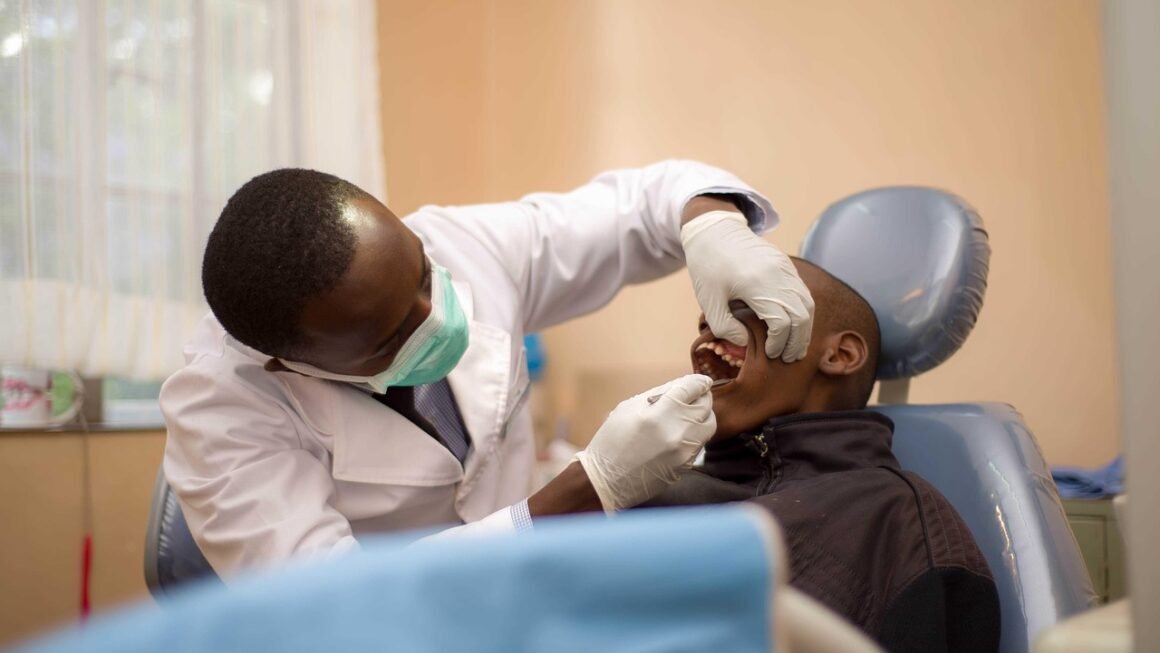
The cleaning typically begins with an examination of your teeth and gums.
- Visual Inspection: The dentist or hygienist will visually inspect your teeth and gums for any signs of problems.
- Probing: A small instrument called a probe is used to measure the depth of the pockets between your teeth and gums. Deeper pockets can indicate gum disease.
Scaling and Root Planing
This is the core of the cleaning process, where plaque and tartar are removed.
- Scaling: Using specialized instruments (scalers, ultrasonic devices), the hygienist removes plaque and tartar from the surface of your teeth, both above and below the gum line.
- Root Planing: This involves smoothing the surfaces of your teeth’s roots to prevent plaque and tartar from easily accumulating again.
Polishing
After scaling and root planing, your teeth will be polished.
- Polishing with a Prophylaxis Paste: A slightly abrasive paste is used to remove surface stains and make your teeth smooth and shiny.
- Benefits of Polishing: Polishing not only improves the appearance of your teeth but also helps to remove any remaining plaque and create a surface that is less prone to future plaque buildup.
Fluoride Treatment
A fluoride treatment is often the final step.
- Application of Fluoride: Fluoride is applied to your teeth in the form of varnish, gel, or foam.
- Benefits of Fluoride: Fluoride strengthens tooth enamel, making it more resistant to acid attacks from plaque bacteria and helping to prevent cavities.
Maintaining Your Smile After a Professional Cleaning
Home Oral Hygiene Practices
The key to maintaining a healthy smile after a professional cleaning is consistent home care.
- Brushing: Brush your teeth at least twice a day with fluoride toothpaste for two minutes each time.
- Flossing: Floss daily to remove plaque and food particles from between your teeth and along the gum line.
- Mouthwash: Use an antimicrobial mouthwash to help kill bacteria and freshen your breath.
Diet and Lifestyle Considerations
Your diet and lifestyle also play a role in your oral health.
- Limit Sugary Foods and Drinks: Sugary foods and drinks contribute to plaque buildup and tooth decay.
- Avoid Tobacco Use: Smoking and chewing tobacco increase the risk of gum disease and oral cancer.
- Stay Hydrated: Drinking plenty of water helps to rinse away food particles and bacteria.
Conclusion
Professional dental cleanings are a vital part of maintaining good oral health and overall well-being. By removing plaque and tartar, detecting problems early, and improving your overall health, these cleanings play a crucial role in preventing dental issues and helping you achieve a confident, healthy smile. Remember to schedule regular professional cleanings and maintain excellent home oral hygiene practices to keep your smile shining bright for years to come. Your mouth will thank you!