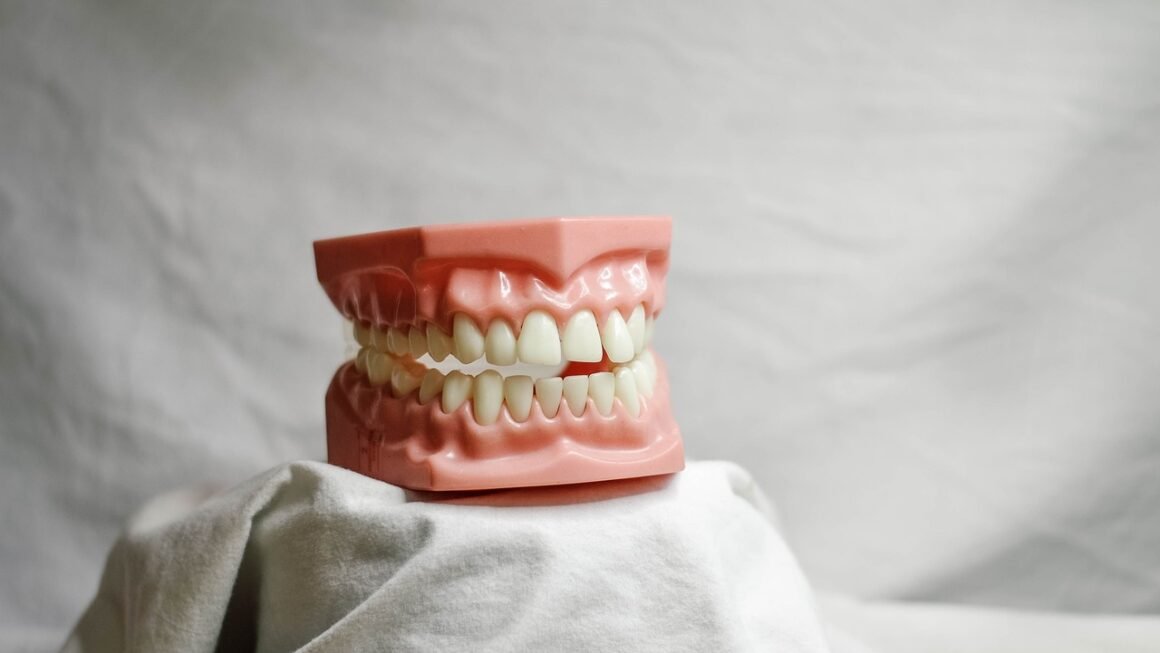
Maintaining a sparkling smile and healthy gums isn’t just about aesthetics; it’s a cornerstone of overall well-being. A consistent and effective oral hygiene routine is your first line of defense against tooth decay, gum disease, and other health complications. Neglecting your oral health can lead to pain, discomfort, expensive dental treatments, and even systemic health issues. This guide provides a comprehensive look at building and maintaining an optimal oral hygiene routine, ensuring a lifetime of confident smiles.
The Importance of a Daily Oral Hygiene Routine
Preventing Dental Problems
- A daily oral hygiene routine significantly reduces the risk of common dental problems:
Tooth Decay: Regular brushing and flossing remove plaque, the sticky film of bacteria that produces acids that erode tooth enamel.
Gum Disease (Gingivitis & Periodontitis): Plaque buildup along the gum line leads to inflammation and, if left untreated, can progress to more serious gum disease.
Bad Breath (Halitosis): Bacteria in the mouth contribute to bad breath, and regular cleaning helps to minimize this.
Tooth Sensitivity: Proper oral hygiene can help prevent receding gums and enamel erosion, both of which can lead to tooth sensitivity.
Overall Health Benefits
- Oral health is interconnected with overall health:
Reduced Risk of Systemic Diseases: Studies have linked poor oral hygiene to an increased risk of heart disease, stroke, diabetes complications, and respiratory infections.
Improved Digestion: Chewing food properly starts the digestion process, and healthy teeth are essential for effective chewing.
Enhanced Confidence: A bright and healthy smile boosts self-esteem and confidence, positively impacting social interactions and professional life.
Pregnancy Health: Gum disease has been linked to premature birth and low birth weight. Maintaining good oral hygiene during pregnancy is crucial.
Long-Term Cost Savings
- Investing in oral hygiene saves money in the long run:
Preventing costly treatments: Regular check-ups and a solid at-home routine reduce the need for fillings, root canals, and other expensive procedures.
Reducing the need for dentures or implants: Maintaining healthy teeth and gums helps you keep your natural teeth for longer.
Lowering medical expenses: By mitigating the risk of systemic diseases linked to poor oral health, you can potentially reduce overall medical costs.
The Core Components of an Effective Oral Hygiene Routine
Brushing Technique and Frequency
- Brush twice a day for at least two minutes: Morning and before bed are the key times.
- Use a soft-bristled toothbrush: This minimizes damage to your gums and enamel.
- Proper technique is crucial:
Hold the brush at a 45-degree angle to the gum line.
Use gentle, short, circular motions.
Clean all surfaces of each tooth: outer, inner, and chewing surfaces.
Don’t forget to brush your tongue to remove bacteria and freshen breath.
Replace your toothbrush every 3-4 months or sooner if the bristles are frayed.
- Electric vs. Manual: Both can be effective. Electric toothbrushes with built-in timers can help ensure you brush for the recommended time and use the correct pressure.
Flossing for Interdental Cleaning
- Floss at least once a day: Preferably before brushing, as it loosens debris that brushing can then remove.
- Proper flossing technique:
Use about 18 inches of floss, winding most of it around your middle fingers.
Gently guide the floss between your teeth using a sawing motion.
Curve the floss around each tooth in a “C” shape, reaching below the gum line.
Use a clean section of floss for each tooth.
- Alternatives to traditional floss:
Floss picks: Convenient for on-the-go flossing.
Interdental brushes: Effective for cleaning wider spaces between teeth, especially for those with braces or gum recession.
Water flossers (oral irrigators): Use a stream of pressurized water to remove plaque and debris.
Choosing the Right Oral Hygiene Products
- Toothpaste:
Fluoride toothpaste: Strengthens tooth enamel and helps prevent tooth decay. Look for the ADA Seal of Acceptance.
Toothpaste for sensitive teeth: Contains ingredients like potassium nitrate to help block pain signals.
Whitening toothpaste: Contains mild abrasives to help remove surface stains. Use with caution to avoid enamel damage.
Consider your specific needs: If you have specific concerns like dry mouth or tartar buildup, choose toothpaste formulated for those issues.
- Mouthwash:
Fluoride mouthwash: Helps prevent tooth decay by providing additional fluoride.
Antiseptic mouthwash: Reduces bacteria in the mouth, helping to prevent gum disease and bad breath.
Mouthwash for dry mouth: Contains ingredients that stimulate saliva production.
Alcohol-free mouthwash: Less likely to cause dry mouth.
- Other helpful products:
Tongue scraper: Removes bacteria and debris from the tongue.
Toothpicks: Can be used to remove food particles between teeth, but use them carefully to avoid damaging gums.
Advanced Oral Hygiene Practices
Oil Pulling
- An ancient Ayurvedic practice involving swishing oil (typically coconut, sesame, or olive oil) in the mouth for 15-20 minutes.
- Potential benefits:
May help reduce bacteria and plaque in the mouth.
May help improve gum health.
May help freshen breath.
- Important Note: Oil pulling should not replace brushing and flossing but can be a supplementary practice.
Tongue Scraping
- Removes bacteria, food debris, and dead cells from the surface of the tongue.
- Benefits:
Fresher breath.
Improved sense of taste.
Reduced bacteria load in the mouth.
- How to use a tongue scraper: Gently scrape the tongue from back to front, rinsing the scraper after each stroke.
Dietary Considerations for Oral Health
- Limit sugary and acidic foods and drinks: These contribute to tooth decay and enamel erosion.
Examples: Soda, candy, fruit juice, processed foods.
- Eat a balanced diet: A diet rich in fruits, vegetables, and whole grains provides essential nutrients for healthy teeth and gums.
- Foods that promote oral health:
Crunchy fruits and vegetables: Stimulate saliva production and help clean teeth. Examples: Apples, carrots, celery.
Dairy products: Rich in calcium and phosphorus, which strengthen tooth enamel. Examples: Cheese, milk, yogurt.
Green tea: Contains antioxidants that may help protect against gum disease.
Water: The best beverage for oral health. It helps rinse away food particles and keeps the mouth hydrated.
Professional Dental Care: Regular Check-ups and Cleanings
Importance of Regular Dental Visits
- Professional cleanings: Remove plaque and tartar buildup that you can’t remove at home.
- Early detection of dental problems: Dentists can identify early signs of tooth decay, gum disease, and other oral health issues.
- Oral cancer screening: Dentists can screen for oral cancer during routine check-ups.
- Personalized advice: Dentists can provide personalized advice on how to improve your oral hygiene routine.
Frequency of Dental Check-ups
- Typically every six months: This allows for early detection and prevention of dental problems.
- More frequent visits may be needed: If you have a history of gum disease, tooth decay, or other oral health issues, your dentist may recommend more frequent check-ups.
- Discuss your individual needs: Consult with your dentist to determine the best schedule for your needs.
Conclusion
Establishing a robust oral hygiene routine is an investment in your overall health and well-being. By consistently brushing, flossing, using appropriate oral hygiene products, and attending regular dental check-ups, you can prevent dental problems, improve your overall health, and enjoy a confident smile for years to come. Remember, a healthy mouth contributes to a healthier and happier you. Make your oral health a priority, and reap the rewards of a lifetime of strong teeth and healthy gums.