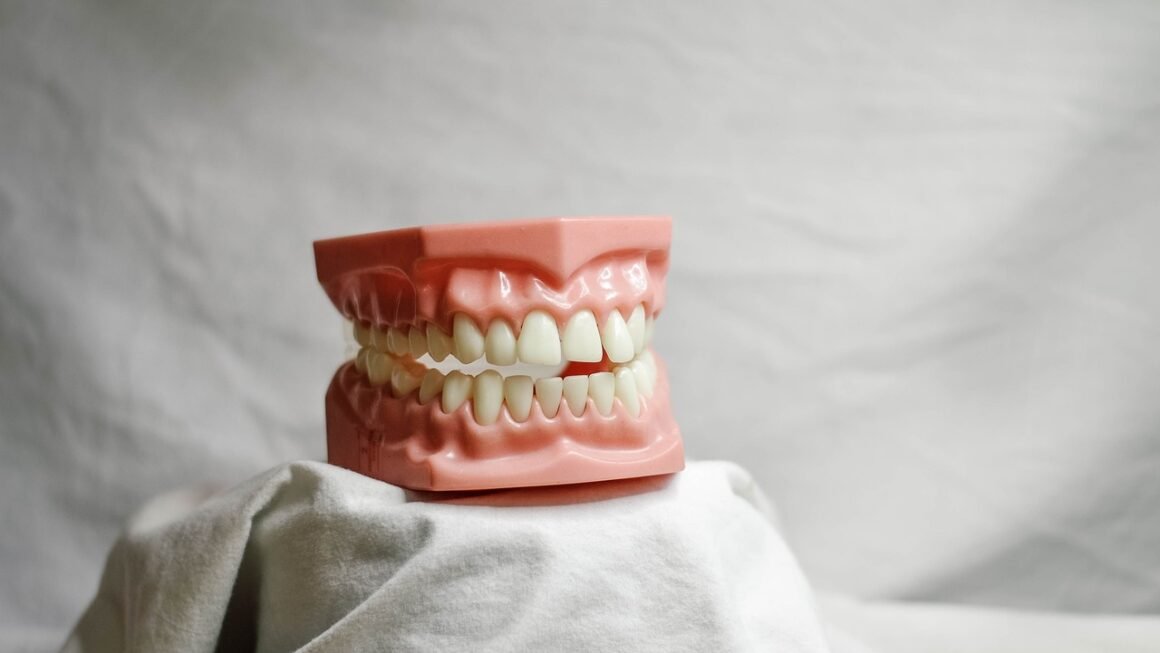
Maintaining optimal oral health isn’t just about flashing a pearly white smile; it’s an integral part of your overall well-being. Neglecting your teeth and gums can lead to a cascade of health problems, from bad breath and cavities to more serious conditions like heart disease and diabetes complications. This comprehensive guide provides everything you need to know about achieving and maintaining excellent dental hygiene.
The Foundation of a Healthy Smile: Brushing
Choosing the Right Toothbrush
Selecting the right toothbrush is the first step toward effective brushing. Consider these factors:
- Bristle type: Opt for a soft-bristled brush to prevent damage to your gums and tooth enamel. Hard bristles can be too abrasive.
- Size and shape: Choose a brush that fits comfortably in your mouth and can easily reach all surfaces of your teeth, including the back molars.
- Electric vs. manual: Both types are effective, but electric toothbrushes can provide consistent pressure and timing, which some find helpful. Studies have shown electric toothbrushes can remove plaque more effectively than manual ones.
Mastering the Brushing Technique
Proper brushing technique is crucial for removing plaque and food particles. Follow these steps:
How Often Should You Brush?
The American Dental Association (ADA) recommends brushing at least twice a day – once in the morning and once before bed. Brushing after every meal can also be beneficial, but avoid brushing immediately after consuming acidic foods or drinks, as this can weaken enamel.
The Unsung Hero: Flossing
Why Flossing is Essential
Brushing alone can’t reach the spaces between your teeth and under the gumline, where plaque and food particles accumulate. Flossing removes these deposits, preventing cavities and gum disease.
- Removes plaque and food particles from hard-to-reach areas.
- Helps prevent gum disease (gingivitis and periodontitis).
- Reduces bad breath by removing trapped debris.
Effective Flossing Techniques
- Choose the right floss: Waxed or unwaxed, flavored or unflavored – the best floss is the one you’ll use consistently. If you struggle with dexterity, consider floss picks.
- Use enough floss: Break off about 18 inches of floss.
- Gentle guidance: Gently guide the floss between your teeth using a sawing motion.
- Curve around each tooth: Curve the floss into a “C” shape around each tooth and slide it gently under the gumline.
- Clean motion: Use a clean section of floss for each tooth.
When to Floss: Before or After Brushing?
The debate continues, but the most important thing is to floss regularly. Some dentists recommend flossing before brushing to loosen plaque and food particles, allowing the toothbrush to more effectively remove them. Others suggest flossing after brushing to remove any remaining debris. Ultimately, the timing is less important than consistency.
Rinse and Repeat: The Power of Mouthwash
Benefits of Using Mouthwash
Mouthwash can supplement your brushing and flossing routine by:
- Killing bacteria that cause bad breath and plaque.
- Reducing the risk of gingivitis and gum disease.
- Strengthening tooth enamel with fluoride (fluoride mouthwashes).
- Freshening breath.
Choosing the Right Mouthwash
Consider these factors when selecting a mouthwash:
- Fluoride content: Fluoride mouthwashes help strengthen enamel and prevent cavities.
- Antiseptic properties: Antiseptic mouthwashes kill bacteria and reduce plaque buildup.
- Alcohol content: Some mouthwashes contain alcohol, which can dry out the mouth. Alcohol-free options are available.
- Specific needs: Choose a mouthwash tailored to your needs, such as one for sensitive teeth or gum disease.
Proper Mouthwash Usage
Diet and Dental Health: What You Eat Matters
Foods That Promote Dental Health
- Crunchy fruits and vegetables: Apples, carrots, and celery stimulate saliva production, which helps neutralize acids and wash away food particles.
- Dairy products: Milk, cheese, and yogurt are rich in calcium and phosphorus, which strengthen tooth enamel.
- Leafy greens: Spinach and kale are packed with vitamins and minerals that support overall oral health.
- Water: Staying hydrated helps maintain saliva flow and wash away food debris.
Foods to Limit or Avoid
- Sugary foods and drinks: Sugar fuels bacteria that produce acids, leading to cavities.
- Acidic foods and drinks: Citrus fruits, sodas, and sports drinks erode tooth enamel.
- Sticky foods: Candies and dried fruits cling to teeth, providing a breeding ground for bacteria.
Practical Tips for a Tooth-Friendly Diet
- Limit sugary snacks and drinks between meals.
- Rinse your mouth with water after consuming acidic foods or drinks.
- Chew sugar-free gum after meals to stimulate saliva production.
- Read food labels and choose products low in sugar and acid.
Regular Dental Check-ups: Your Partner in Oral Health
The Importance of Professional Cleanings
Even with diligent home care, plaque and tartar can build up in hard-to-reach areas. Professional dental cleanings remove these deposits, preventing gum disease and cavities. Dentists use specialized tools to scale (remove plaque and tartar) and polish your teeth.
What to Expect During a Dental Check-up
A typical dental check-up includes:
- Examination: The dentist will examine your teeth, gums, and mouth for signs of decay, gum disease, and other oral health problems.
- Cleaning: A dental hygienist will remove plaque and tartar from your teeth.
- X-rays: X-rays help the dentist detect cavities, bone loss, and other hidden problems.
- Consultation: The dentist will discuss your oral health, provide recommendations for home care, and address any concerns you may have.
How Often Should You Visit the Dentist?
The American Dental Association recommends visiting the dentist for a check-up and cleaning at least once or twice a year. However, your dentist may recommend more frequent visits if you have a history of gum disease, cavities, or other oral health problems.
Conclusion
Maintaining excellent dental hygiene is a lifelong commitment that requires consistent effort and the right knowledge. By following the tips outlined in this guide – brushing twice daily, flossing regularly, using mouthwash, eating a tooth-friendly diet, and visiting your dentist for regular check-ups – you can protect your teeth and gums, prevent oral health problems, and enjoy a healthy, beautiful smile for years to come. Remember, prevention is always better (and less expensive) than cure!