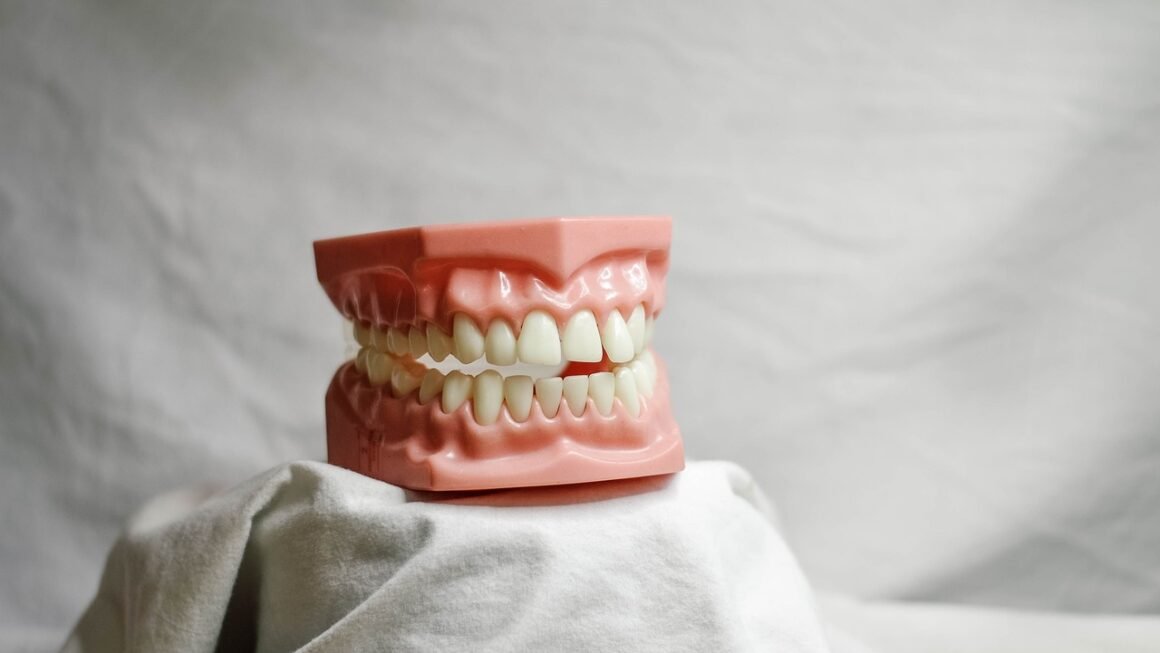
Maintaining a healthy smile is about more than just aesthetics; it’s a cornerstone of overall health. Neglecting your dental hygiene can lead to serious health problems down the line, from gum disease to heart complications. This blog post is your comprehensive guide to establishing a robust dental care routine, packed with practical tips and insights to help you achieve and maintain a dazzling, healthy smile for years to come.
The Importance of Brushing and Flossing
Oral hygiene forms the bedrock of good dental health. Properly brushing and flossing remove plaque and food particles, preventing the buildup of bacteria that cause cavities, gum disease, and bad breath.
Mastering the Brushing Technique
- Choose the Right Brush: Opt for a soft-bristled toothbrush. Hard bristles can damage your enamel and irritate your gums.
- Use Fluoride Toothpaste: Fluoride strengthens tooth enamel and helps prevent cavities.
- Brush at a 45-Degree Angle: Position the brush at a 45-degree angle to your gums and use gentle, circular motions.
- Brush for Two Minutes: Most people don’t brush long enough. Set a timer for two minutes to ensure thorough cleaning. Divide your mouth into quadrants and spend 30 seconds on each.
- Don’t Forget Your Tongue: Brushing your tongue removes bacteria and helps freshen your breath. Use a tongue scraper for even better results.
- Replace Your Toothbrush Regularly: Replace your toothbrush every three months, or sooner if the bristles are frayed. A worn toothbrush is less effective at cleaning your teeth.
The Essential Role of Flossing
Flossing reaches areas that your toothbrush can’t, removing plaque and food particles from between your teeth and along the gumline.
- Use the Correct Technique: Use about 18 inches of floss, winding most of it around your middle fingers. Gently guide the floss between your teeth using a sawing motion. Curve the floss around each tooth in a “C” shape and slide it gently under the gumline.
- Floss Daily: Make flossing a daily habit, preferably before bedtime.
- Explore Flossing Alternatives: If you find traditional flossing difficult, consider using interdental brushes or a water flosser (oral irrigator). These can be particularly helpful for people with braces or tight spaces between their teeth.
Diet and Dental Health
What you eat significantly impacts your dental health. Sugary and acidic foods can erode enamel and contribute to tooth decay.
Foods to Limit or Avoid
- Sugary Drinks: Soda, juice, and sports drinks are high in sugar, which feeds bacteria and produces acid that attacks enamel.
- Sticky Candies: These cling to teeth, providing a prolonged source of sugar for bacteria.
- Acidic Foods: Citrus fruits, tomatoes, and vinegar can erode enamel. Consume these in moderation and rinse your mouth with water afterward.
- Starchy Foods: Potato chips and white bread break down into sugars in the mouth, contributing to plaque formation.
Foods That Promote Dental Health
- Water: Water helps wash away food particles and keeps your mouth hydrated, promoting saliva production. Saliva neutralizes acids and remineralizes enamel.
- Crunchy Fruits and Vegetables: Apples, carrots, and celery stimulate saliva production and help scrub away plaque.
- Dairy Products: Milk, cheese, and yogurt contain calcium and phosphorus, which strengthen tooth enamel. They also help neutralize acids in the mouth.
- Green Tea: Contains antioxidants that can help prevent gum disease.
- Nuts and Seeds: Provide essential nutrients and can help stimulate saliva flow.
Regular Dental Checkups and Cleanings
Even with meticulous at-home care, regular dental checkups and cleanings are crucial for maintaining optimal oral health.
What to Expect During a Dental Visit
- Examination: Your dentist will examine your teeth, gums, and mouth for signs of decay, gum disease, and other oral health problems.
- Professional Cleaning: A dental hygienist will remove plaque and tartar buildup from your teeth, including hard-to-reach areas. This professional cleaning helps prevent gum disease and cavities.
- X-Rays: X-rays allow your dentist to see areas that are not visible during a visual examination, such as cavities between teeth or problems below the gumline. Digital x-rays offer lower radiation exposure compared to traditional film x-rays.
- Oral Cancer Screening: Your dentist will screen for signs of oral cancer. Early detection is crucial for successful treatment.
- Personalized Advice: Your dentist can provide personalized advice on improving your oral hygiene based on your specific needs and risk factors.
How Often Should You Visit the Dentist?
The American Dental Association recommends visiting your dentist for a checkup and cleaning every six months. However, your dentist may recommend more frequent visits if you have a higher risk of dental problems. Factors that might increase the frequency of visits include:
- History of cavities or gum disease
- Dry mouth
- Smoking
- Certain medical conditions (e.g., diabetes)
Addressing Specific Dental Concerns
Many people experience specific dental concerns that require targeted care.
Sensitivity
Tooth sensitivity can be triggered by hot, cold, sweet, or acidic foods and drinks.
- Use Desensitizing Toothpaste: These toothpastes contain ingredients that help block pain signals to the nerves in your teeth.
- Avoid Acidic Foods and Drinks: Limit your consumption of acidic foods and drinks, which can erode enamel and expose dentin.
- Use a Soft-Bristled Toothbrush: Brushing too hard can wear away enamel and irritate gums, contributing to sensitivity.
- See Your Dentist: If your sensitivity is severe or persistent, see your dentist to rule out underlying causes such as cavities, gum recession, or cracked teeth. Your dentist may recommend fluoride treatments or other solutions to reduce sensitivity.
Bad Breath (Halitosis)
Bad breath can be embarrassing, but it’s often treatable.
- Practice Good Oral Hygiene: Brush your teeth twice a day, floss daily, and clean your tongue.
- Stay Hydrated: Dry mouth can contribute to bad breath. Drink plenty of water to keep your mouth moist.
- Chew Sugar-Free Gum: Chewing gum stimulates saliva production, which helps wash away food particles and freshen breath.
- Avoid Foods That Cause Bad Breath: Garlic, onions, and certain spices can contribute to bad breath.
- See Your Dentist: If bad breath persists despite good oral hygiene, see your dentist to rule out underlying medical conditions.
Gum Disease (Periodontitis)
Gum disease is an infection of the gums that can damage the soft tissue and bone that support your teeth.
- Practice Excellent Oral Hygiene: Regular brushing and flossing are essential for preventing and managing gum disease.
- See Your Dentist Regularly: Early detection and treatment are crucial for preventing the progression of gum disease.
- Professional Cleanings: Regular professional cleanings can remove plaque and tartar buildup, which contribute to gum disease.
- Quit Smoking: Smoking is a major risk factor for gum disease.
- Consider Antimicrobial Mouthwash: Your dentist may recommend an antimicrobial mouthwash to help control bacteria in your mouth.
Conclusion
Prioritizing your dental care is an investment in your overall well-being. By incorporating these simple yet effective tips into your daily routine, you can significantly improve your oral health and enjoy a confident, healthy smile for a lifetime. Remember to schedule regular checkups with your dentist and address any concerns promptly to maintain optimal dental health. A healthy smile is a happy smile!