Maintaining excellent dental health is paramount for overall well-being, extending far beyond just a bright smile. From preventing painful cavities to protecting against systemic diseases, a proactive approach to oral hygiene is an investment in your long-term health and quality of life. This blog post delves into key aspects of dental health awareness, offering practical tips and insights to help you achieve and maintain a healthy mouth.
The Importance of Daily Oral Hygiene
Brushing Techniques and Toothpaste Selection
Brushing your teeth effectively is the foundation of good oral hygiene. It removes plaque and food particles that contribute to tooth decay and gum disease.
- Technique: Use gentle, circular motions to clean all surfaces of your teeth. Pay particular attention to the gumline and hard-to-reach areas at the back of your mouth. Brush for at least two minutes, twice a day – once in the morning and once before bed.
- Toothpaste: Choose a fluoride toothpaste approved by the American Dental Association (ADA). Fluoride strengthens tooth enamel and helps prevent cavities. Consider toothpastes designed for specific needs, such as sensitivity, whitening, or tartar control, but always consult with your dentist if you have concerns. For example, someone with sensitive teeth might choose a toothpaste containing potassium nitrate.
- Brush Replacement: Replace your toothbrush every three months, or sooner if the bristles are frayed. Frayed bristles are less effective at cleaning your teeth.
The Role of Flossing and Interdental Cleaning
Brushing alone cannot remove plaque and food debris from between your teeth. Flossing is essential for cleaning these areas and preventing gum disease.
- Flossing Technique: Use about 18 inches of floss, wrapping it around your middle fingers and using your thumbs and index fingers to guide it. Gently slide the floss between your teeth and use a “C” shape to clean each tooth surface below the gumline.
- Alternatives to Traditional Floss: If you find traditional flossing difficult, consider using interdental brushes, floss picks, or water flossers. These alternatives can be especially helpful for people with braces, bridges, or limited dexterity. A water flosser, for example, can be used to flush out debris from hard-to-reach areas.
- Frequency: Floss at least once a day, preferably before bedtime.
Mouthwash and Its Benefits
Mouthwash can be a valuable addition to your oral hygiene routine, but it’s not a substitute for brushing and flossing.
- Types of Mouthwash:
Fluoride mouthwash: Helps strengthen tooth enamel and prevent cavities.
Antiseptic mouthwash: Reduces plaque and gingivitis.
Cosmetic mouthwash: Freshens breath but doesn’t provide significant therapeutic benefits.
- When to Use: Rinse with mouthwash after brushing and flossing. Follow the instructions on the label and avoid swallowing the mouthwash.
- Considerations: Some mouthwashes contain alcohol, which can dry out your mouth. Choose an alcohol-free mouthwash if you have dry mouth or are prone to mouth sores.
Regular Dental Check-ups and Cleanings
The Importance of Professional Dental Care
Even with diligent home care, plaque and tartar can accumulate on your teeth, especially in hard-to-reach areas. Regular dental check-ups and cleanings are crucial for removing these deposits and detecting any early signs of dental problems.
- Frequency: Schedule a dental check-up and cleaning every six months, or as recommended by your dentist. Individuals with certain medical conditions or a higher risk of dental problems may need more frequent visits.
- Benefits:
Early detection of cavities, gum disease, and oral cancer.
Professional cleaning to remove plaque and tartar.
Oral hygiene instructions and personalized advice.
* Fluoride treatments to strengthen tooth enamel.
What to Expect During a Dental Appointment
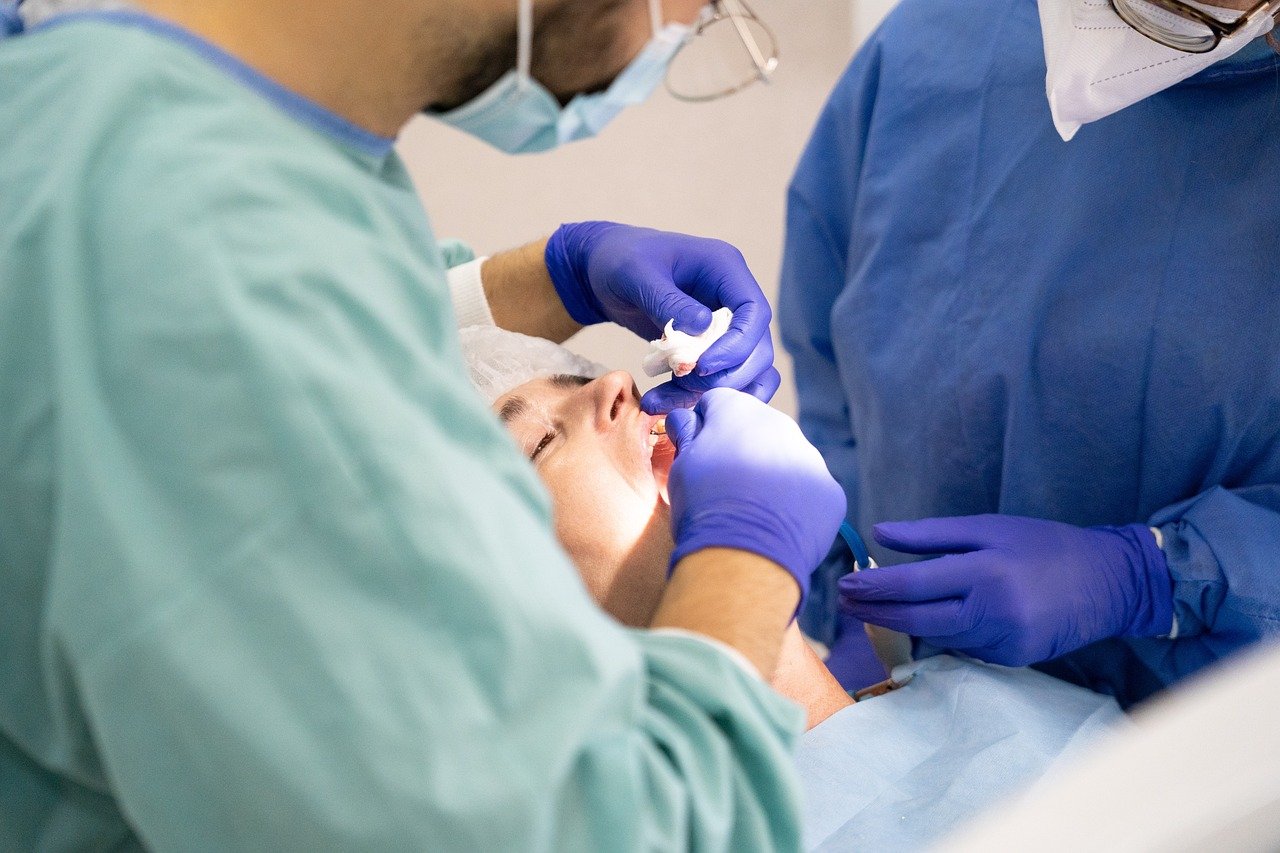
A typical dental appointment includes:
- Examination: The dentist will examine your teeth, gums, and mouth for any signs of problems.
- Cleaning: A dental hygienist will remove plaque and tartar from your teeth using specialized instruments.
- X-rays: X-rays may be taken to detect cavities, bone loss, and other issues that are not visible during a visual examination.
- Consultation: The dentist will discuss any findings with you and recommend appropriate treatment options.
- Example: If the dentist detects a small cavity, they might recommend a filling. If gum disease is present, they might suggest scaling and root planing.
Addressing Dental Anxiety
Many people experience anxiety about visiting the dentist. Here are some tips to help manage dental anxiety:
- Communicate with your dentist: Let your dentist know about your anxiety. They can adjust their approach and provide reassurance.
- Relaxation techniques: Practice relaxation techniques, such as deep breathing or meditation, before and during your appointment.
- Distraction: Bring music or a book to distract yourself during the procedure.
- Sedation options: Talk to your dentist about sedation options, such as nitrous oxide (laughing gas) or oral sedation.
Diet and Nutrition for Healthy Teeth
Foods That Promote Dental Health
A balanced diet plays a vital role in maintaining healthy teeth and gums. Certain foods can actually help protect your teeth from decay.
- Calcium-rich foods: Dairy products (milk, yogurt, cheese), leafy green vegetables, and fortified foods help strengthen tooth enamel.
- Crunchy fruits and vegetables: Apples, carrots, and celery stimulate saliva production, which helps neutralize acids and wash away food particles.
- Foods containing fluoride: Fluoridated water, tea, and some seafood provide fluoride, which strengthens tooth enamel.
Foods to Limit or Avoid
Certain foods and drinks can contribute to tooth decay and gum disease.
- Sugary foods and drinks: Candy, soda, juice, and processed foods are high in sugar, which feeds bacteria in your mouth and produces acid that attacks tooth enamel.
- Acidic foods and drinks: Citrus fruits, vinegar, and sour candies can erode tooth enamel.
- Sticky foods: Caramel, taffy, and dried fruit can stick to your teeth and provide a prolonged source of sugar for bacteria.
- Example: Instead of drinking sugary soda, opt for water or unsweetened tea. When eating sweets, do so in moderation and brush your teeth afterward.
The Importance of Hydration
Drinking plenty of water helps keep your mouth moist and washes away food particles and acids. Aim for at least eight glasses of water a day. Water also stimulates saliva production, which is a natural defense against tooth decay.
Specific Dental Health Concerns
Gum Disease (Gingivitis and Periodontitis)
Gum disease is an infection of the gums that can lead to tooth loss if left untreated.
- Gingivitis: The early stage of gum disease, characterized by red, swollen, and bleeding gums. It is often reversible with good oral hygiene and professional cleaning.
- Periodontitis: The advanced stage of gum disease, in which the gums pull away from the teeth, forming pockets that become infected. This can lead to bone loss and tooth loss.
- Symptoms: Red, swollen, or bleeding gums; bad breath; receding gums; loose teeth; changes in bite.
- Prevention: Brush and floss regularly, schedule regular dental check-ups and cleanings, and avoid smoking.
Tooth Decay (Cavities)
Tooth decay is the most common dental problem, caused by bacteria that produce acid that attacks tooth enamel.
- Causes: Sugary and acidic foods and drinks, poor oral hygiene, dry mouth.
- Symptoms: Tooth sensitivity, pain, visible holes in teeth, dark spots on teeth.
- Prevention: Brush and floss regularly, limit sugary and acidic foods and drinks, use fluoride toothpaste and mouthwash, and visit your dentist for regular check-ups and cleanings.
- Treatment: Fillings, root canals, extractions.
Oral Cancer
Oral cancer is a serious disease that can affect the lips, tongue, cheeks, throat, and palate. Early detection is crucial for successful treatment.
- Risk Factors: Tobacco use, excessive alcohol consumption, HPV infection, sun exposure.
- Symptoms: Sores in the mouth that don’t heal, lumps or thickening in the mouth or neck, difficulty swallowing or speaking, changes in bite.
- Prevention: Avoid tobacco use, limit alcohol consumption, practice safe sex, and use sun protection on your lips.
- Early Detection: Regular dental check-ups include an oral cancer screening. Self-exams can also help detect early signs of oral cancer. If you notice any unusual changes in your mouth, see your dentist or doctor immediately.
Conclusion
Prioritizing your dental health is an essential component of overall wellness. By embracing a consistent oral hygiene routine, attending regular dental check-ups, making informed dietary choices, and being vigilant about potential oral health concerns, you can significantly improve your oral health and contribute to a healthier, happier you. Make dental health awareness a lifelong commitment for a confident smile and a healthier body.