Maintaining a healthy smile goes beyond just brushing and flossing daily. Regular dental checkups are a crucial part of your overall health, offering preventative care and early detection of potential issues. These appointments allow your dentist to assess the health of your teeth and gums, identify any problems, and provide necessary treatments to keep your smile bright and healthy for years to come.
Why Regular Dental Checkups are Essential
Preventing Dental Problems Before They Start
One of the most significant benefits of regular dental checkups is their ability to prevent dental problems before they escalate into more serious issues. Your dentist can identify early signs of:
- Cavities: Early detection allows for timely filling, preventing further decay and potential root canals. For example, a small spot of demineralization, barely noticeable to the naked eye, can be identified with an X-ray and addressed with fluoride treatment or a conservative filling.
- Gum Disease (Gingivitis/Periodontitis): Gum disease is often silent in its early stages. A dental checkup can reveal signs of inflammation, bleeding gums, and receding gums, allowing for early intervention with scaling and root planing (deep cleaning). The CDC estimates that 47.2% of adults aged 30 years and older have some form of periodontal disease.
- Oral Cancer: Regular screenings can help detect oral cancer in its early stages, significantly increasing the chances of successful treatment. Your dentist will examine your mouth, tongue, and throat for any unusual lumps, sores, or discolored patches.
- Other Oral Health Issues: Checkups can also identify other problems such as teeth grinding (bruxism), temporomandibular joint (TMJ) disorders, and even systemic diseases with oral manifestations.
Maintaining Optimal Oral Hygiene
Even with diligent brushing and flossing, it can be challenging to remove all plaque and tartar from your teeth. A professional dental cleaning during your checkup removes these stubborn deposits, helping to:
- Prevent Cavities: By removing plaque and tartar, professional cleaning reduces the bacteria that cause tooth decay.
- Prevent Gum Disease: Removing tartar helps to prevent gum inflammation and recession.
- Freshen Breath: Professional cleaning eliminates odor-causing bacteria, leaving you with a fresher, cleaner mouth.
- Improve Appearance: Removing stains and polishing your teeth can brighten your smile. For example, coffee, tea, and red wine can cause significant staining that’s difficult to remove at home. A professional cleaning can restore your teeth’s natural brightness.
Detecting Underlying Health Issues
Your oral health is closely linked to your overall health. During a dental checkup, your dentist may identify signs of underlying health issues that require further investigation. For instance:
- Diabetes: Symptoms like dry mouth, bleeding gums, and slow-healing sores can be indicators of diabetes.
- Heart Disease: Research suggests a link between gum disease and heart disease. Inflammation in the gums can contribute to inflammation throughout the body.
- Osteoporosis: Bone loss in the jaw can be an early sign of osteoporosis.
- Eating Disorders: Dental erosion from frequent vomiting is a common sign of eating disorders like bulimia.
Cost-Effectiveness in the Long Run
While the initial cost of a dental checkup may seem like an expense, it can save you money in the long run. By detecting and addressing problems early, you can avoid the need for more costly and extensive treatments later on.
- Example: Filling a small cavity is significantly less expensive and less invasive than undergoing a root canal or extraction.
- Preventive care is always more affordable than restorative care.
What to Expect During a Dental Checkup
Initial Examination and Review of Medical History
Your dentist will begin by reviewing your medical history, including any medications you’re taking and any allergies you have. Be sure to inform your dentist of any changes since your last visit.
Comprehensive Oral Examination
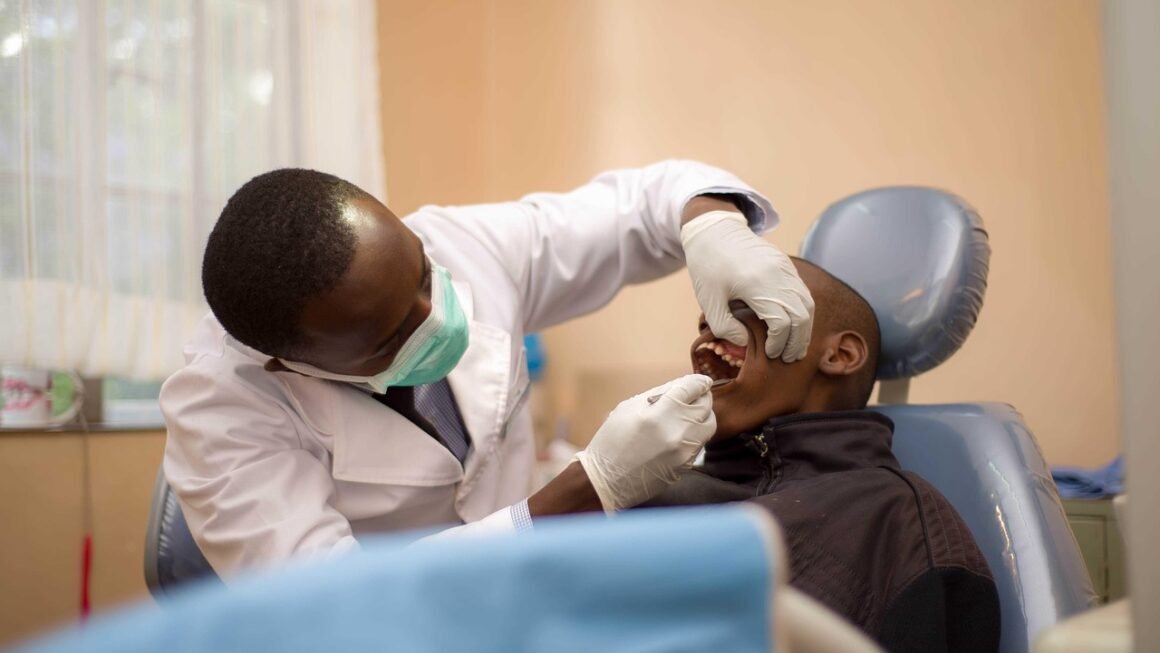
The dentist will then perform a comprehensive oral examination, which includes:
- Checking your teeth for cavities, cracks, and other damage. They use a small mirror and probe to carefully inspect each tooth.
- Evaluating your gums for signs of inflammation, bleeding, and recession. They measure the pockets between your teeth and gums using a periodontal probe.
- Assessing your bite and jaw alignment. They may check for signs of bruxism or TMJ disorders.
- Examining your tongue, throat, and other soft tissues for signs of oral cancer or other abnormalities. They will visually and manually inspect these areas.
Professional Dental Cleaning
A dental hygienist will perform a professional cleaning, which includes:
- Scaling: Removing plaque and tartar from the surface of your teeth using specialized instruments.
- Polishing: Polishing your teeth to remove stains and make them smooth.
- Fluoride Treatment: Applying fluoride to strengthen your teeth and prevent decay. This is especially beneficial for children but is also used for adults.
X-rays (When Necessary)
X-rays are typically taken every 6-12 months, or as needed, to detect problems that are not visible during a visual examination, such as:
- Cavities between teeth.
- Bone loss due to gum disease.
- Impacted teeth.
- Abscesses.
- Tumors.
Treatment Planning and Recommendations
After the examination and cleaning, your dentist will discuss their findings with you and recommend any necessary treatments. This may include:
- Fillings for cavities.
- Scaling and root planing for gum disease.
- Root canal therapy for infected teeth.
- Crowns or bridges to restore damaged or missing teeth.
- Orthodontic treatment to correct misaligned teeth.
- Oral surgery for extractions or other procedures.
How to Prepare for Your Dental Checkup
Make a List of Questions
Before your appointment, write down any questions you have for your dentist. This will help you make the most of your time and ensure that all your concerns are addressed.
Update Your Medical History
Be sure to inform your dentist of any changes in your medical history, including any new medications you’re taking, any allergies you have, or any health conditions you’ve been diagnosed with.
Brush and Floss Before Your Appointment
Brushing and flossing before your appointment will help remove any loose food particles and plaque, making it easier for your dentist to examine your teeth and gums.
Arrive on Time
Arriving on time for your appointment will ensure that you have enough time to complete all the necessary paperwork and that your dentist has enough time to perform a thorough examination and cleaning.
How Often Should You Get a Dental Checkup?
The general recommendation is to visit your dentist for a checkup and cleaning every six months. However, your dentist may recommend more frequent visits if you are at higher risk for dental problems. Factors that may increase your risk include:
- History of cavities or gum disease.
- Smoking or tobacco use.
- Diabetes.
- Dry mouth.
- Weakened immune system.
- Pregnancy.
- Poor oral hygiene.
For example, someone with controlled diabetes and excellent oral hygiene may only need checkups every six months. However, someone with uncontrolled diabetes and poor oral hygiene may need to be seen every three months to prevent rapid disease progression.
Conclusion
Regular dental checkups are a vital component of maintaining optimal oral health and overall well-being. By prioritizing these appointments, you can proactively prevent dental problems, detect underlying health issues, and ensure a healthy, confident smile for life. Don’t wait until you experience pain or discomfort. Schedule your dental checkup today and take a step towards a healthier you!