Maintaining a healthy and radiant smile goes far beyond simply brushing your teeth twice a day. Regular dental visits are a cornerstone of preventative oral care and contribute significantly to your overall well-being. From professional cleanings to early detection of potential issues, understanding the importance and benefits of dental check-ups can empower you to take proactive steps towards a lifetime of optimal oral health. This guide will walk you through everything you need to know about dental visits, ensuring you’re well-informed and prepared for your next appointment.
Why Regular Dental Visits Are Essential
Regular dental visits are not just about cleaning teeth; they are crucial for preventing, detecting, and treating oral health problems early on. Ignoring these appointments can lead to more serious and costly issues down the road.
Prevention of Dental Problems
- Plaque and Tartar Removal: Professional dental cleanings remove plaque and tartar buildup that regular brushing and flossing cannot. Tartar, in particular, can only be removed by a dental professional.
Example: Think of tartar like hardened scales on your teeth. A dentist or hygienist uses specialized tools to scrape it away, preventing gum disease.
- Fluoride Treatment: Fluoride strengthens tooth enamel, making it more resistant to decay.
Example: After a cleaning, your dentist might apply a fluoride varnish to your teeth. This strengthens the enamel and protects against acid attacks from bacteria.
- Oral Hygiene Education: Dentists and hygienists provide personalized advice on proper brushing and flossing techniques.
Example: Your hygienist might demonstrate the correct way to floss around each tooth, ensuring you’re removing plaque effectively. They might also suggest using a specific type of toothbrush or toothpaste based on your individual needs.
Early Detection of Oral Diseases
- Cavities and Tooth Decay: Dentists can identify cavities in their early stages, often before they cause pain.
Example: A small, dark spot on your tooth during an exam could indicate early decay, allowing for timely treatment with a filling.
- Gum Disease (Gingivitis and Periodontitis): Regular check-ups help detect gum disease, which, if left untreated, can lead to tooth loss and other health complications.
Example: Your dentist or hygienist will check for signs of gum inflammation, bleeding, and pocket depths around your teeth to assess your gum health.
- Oral Cancer Screening: Dentists perform oral cancer screenings to detect any suspicious lesions or abnormalities in the mouth.
Example: Your dentist will visually examine the soft tissues of your mouth, including your tongue, cheeks, and throat, looking for any unusual sores, lumps, or discolorations. They may also palpate (feel) the tissues to check for any abnormalities.
- Other Oral Health Issues: Dentists can identify other oral health problems, such as temporomandibular joint (TMJ) disorders, bruxism (teeth grinding), and oral infections.
Example: If you’re experiencing jaw pain or headaches, your dentist might evaluate your bite and jaw joint to determine if you have a TMJ disorder.
Overall Health Benefits
Oral health is closely linked to overall health. Regular dental visits can contribute to preventing or managing other health conditions.
- Reduced Risk of Systemic Diseases: Studies have linked poor oral health to an increased risk of heart disease, stroke, diabetes, and respiratory infections.
Example: Bacteria from gum disease can enter the bloodstream and contribute to inflammation throughout the body, potentially exacerbating conditions like heart disease.
- Improved Self-Esteem: A healthy and attractive smile can boost self-confidence and improve social interactions.
- Early Detection of Systemic Diseases: Sometimes, oral manifestations can be early signs of systemic diseases, such as autoimmune disorders or nutritional deficiencies.
What to Expect During a Dental Visit
Understanding what happens during a dental visit can help alleviate any anxiety and ensure you’re prepared.
Initial Consultation and Examination
- Medical History Review: Your dentist will review your medical history to identify any health conditions or medications that could affect your oral health.
Example: Be sure to inform your dentist about any allergies, medical conditions like diabetes or heart disease, and all medications you are taking, including over-the-counter drugs and supplements.
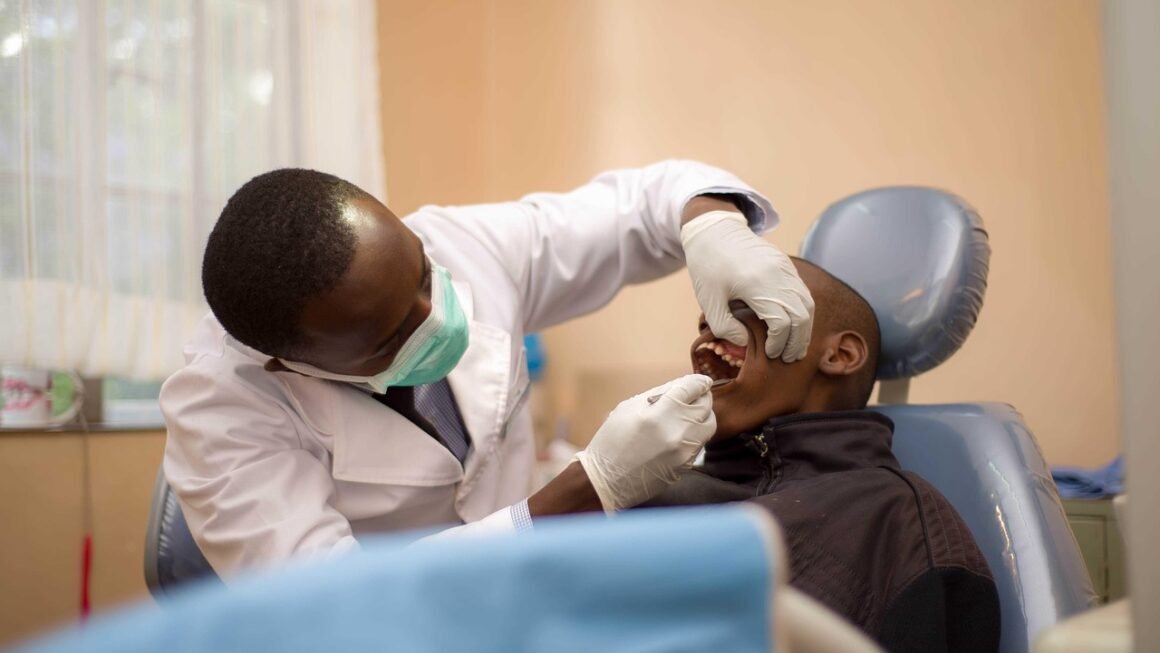
- Comprehensive Oral Examination: The dentist will examine your teeth, gums, and mouth for signs of decay, gum disease, and other oral health problems.
Example: The dentist will use a mirror and probe to examine each tooth surface for cavities, assess the health of your gums, and check for any abnormalities in your mouth.
- X-rays: X-rays help the dentist see areas that are not visible during a visual examination, such as decay between teeth, bone loss, and impacted teeth.
Example: Bitewing x-rays are commonly taken to check for cavities between teeth. A panoramic x-ray can provide a broad view of your entire mouth and jaw.
Professional Dental Cleaning
- Scaling: Removal of plaque and tartar from the tooth surface.
Example: Your hygienist uses scalers (hand instruments) and ultrasonic devices to remove hardened deposits from your teeth.
- Polishing: Smoothing the tooth surface to remove stains and make it more difficult for plaque to accumulate.
Example: A polishing paste is applied to your teeth using a rotating brush or rubber cup, removing surface stains and leaving your teeth feeling smooth.
- Flossing: Cleaning between the teeth to remove plaque and debris.
- Fluoride Treatment (optional): Strengthening the tooth enamel to prevent decay.
Diagnosis and Treatment Planning
- Discussion of Findings: The dentist will discuss their findings with you and explain any necessary treatment options.
Example: If the dentist discovers a cavity, they will explain the size and location of the cavity and recommend a filling.
- Development of a Treatment Plan: A personalized treatment plan will be created to address your specific oral health needs.
Example: Your treatment plan might include fillings, root canals, gum disease treatment, or orthodontics.
- Cost Estimation and Insurance Coverage: The dental office staff will provide you with an estimate of the cost of treatment and help you understand your insurance coverage.
Choosing the Right Dentist
Selecting the right dentist is a crucial step in maintaining optimal oral health.
Qualifications and Experience
- Education and Training: Ensure the dentist is licensed and has completed accredited dental training.
- Specializations: Consider a dentist with a specialization if you have specific needs, such as orthodontics (braces) or periodontics (gum disease).
- Experience: Look for a dentist with experience in performing the types of procedures you may need.
Reviews and Recommendations
- Online Reviews: Read online reviews to get an idea of other patients’ experiences with the dentist.
- Referrals from Friends and Family: Ask friends, family, and colleagues for recommendations.
- Professional Organizations: Check if the dentist is a member of professional organizations like the American Dental Association (ADA).
Office Environment and Comfort
- Cleanliness and Modern Equipment: Ensure the dental office is clean and uses modern equipment.
- Friendly and Knowledgeable Staff: The staff should be friendly, helpful, and knowledgeable.
- Comfortable Atmosphere: The office should have a comfortable and welcoming atmosphere.
- Communication and Transparency: The dentist should be able to communicate clearly and explain treatment options in a way you understand.
Practical Considerations
- Location and Accessibility: Choose a dentist whose office is conveniently located and accessible.
- Office Hours: Consider the office hours to ensure they fit your schedule.
- Payment Options and Insurance Acceptance: Ensure the office accepts your insurance and offers convenient payment options.
Overcoming Dental Anxiety
Dental anxiety is a common concern, but there are ways to manage it and make dental visits more comfortable.
Communication and Transparency
- Talk to Your Dentist: Let your dentist know about your anxiety so they can take steps to make you feel more comfortable.
Example: Tell your dentist something like, “I’m a little nervous about dental procedures. Can you explain each step as you go?”
- Ask Questions: Don’t hesitate to ask questions about the procedures and what to expect.
Relaxation Techniques
- Deep Breathing Exercises: Practice deep breathing exercises to calm your nerves.
* Example: Inhale deeply through your nose, hold for a few seconds, and exhale slowly through your mouth.
- Progressive Muscle Relaxation: Tense and release different muscle groups to reduce tension.
- Visualization: Imagine yourself in a calm and relaxing place.
Distraction Techniques
- Music: Listen to calming music during the appointment.
- TV or Movies: Watch TV or a movie to distract yourself.
- Hand Signals: Establish hand signals with your dentist to communicate if you need a break.
Sedation Options
- Nitrous Oxide (Laughing Gas): Inhale nitrous oxide to reduce anxiety and create a feeling of relaxation.
- Oral Sedatives: Take an oral sedative before the appointment to help you relax.
- IV Sedation: Receive sedation intravenously to achieve a deeper state of relaxation. (Usually done by specialized dentists or oral surgeons)
Conclusion
Regular dental visits are an investment in your overall health and well-being. By understanding the importance of preventive care, knowing what to expect during an appointment, choosing the right dentist, and managing dental anxiety, you can ensure a positive and beneficial experience. Don’t delay – schedule your dental check-up today and take the first step towards a lifetime of healthy smiles! Remember to brush twice a day, floss daily, and maintain a balanced diet for optimal oral hygiene between visits.