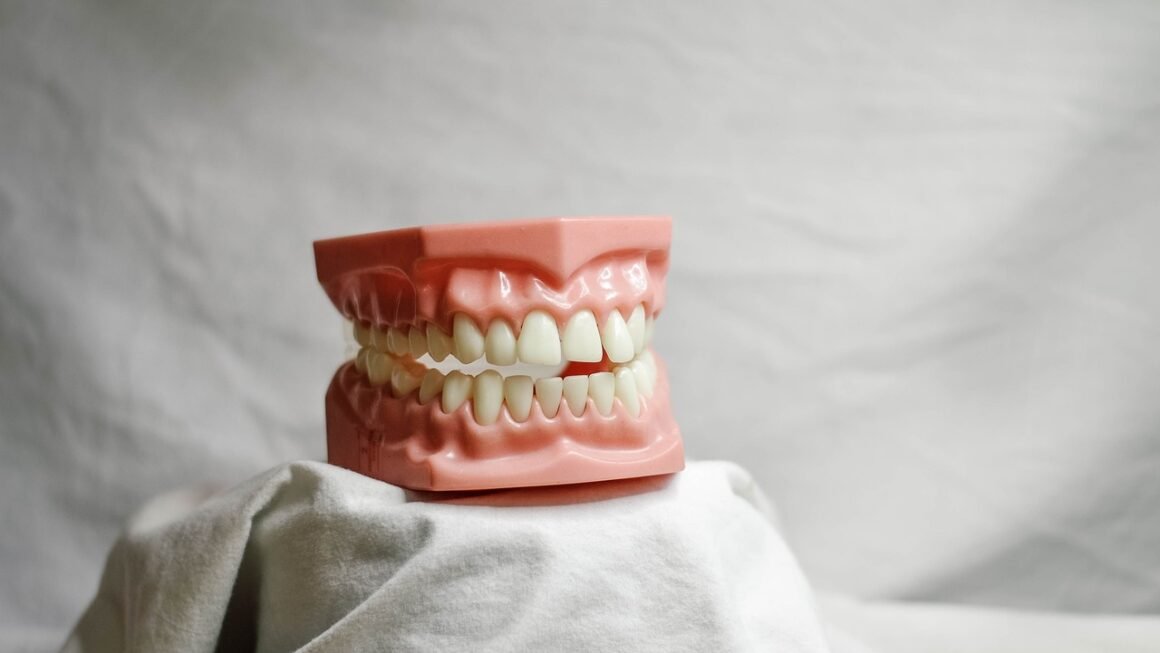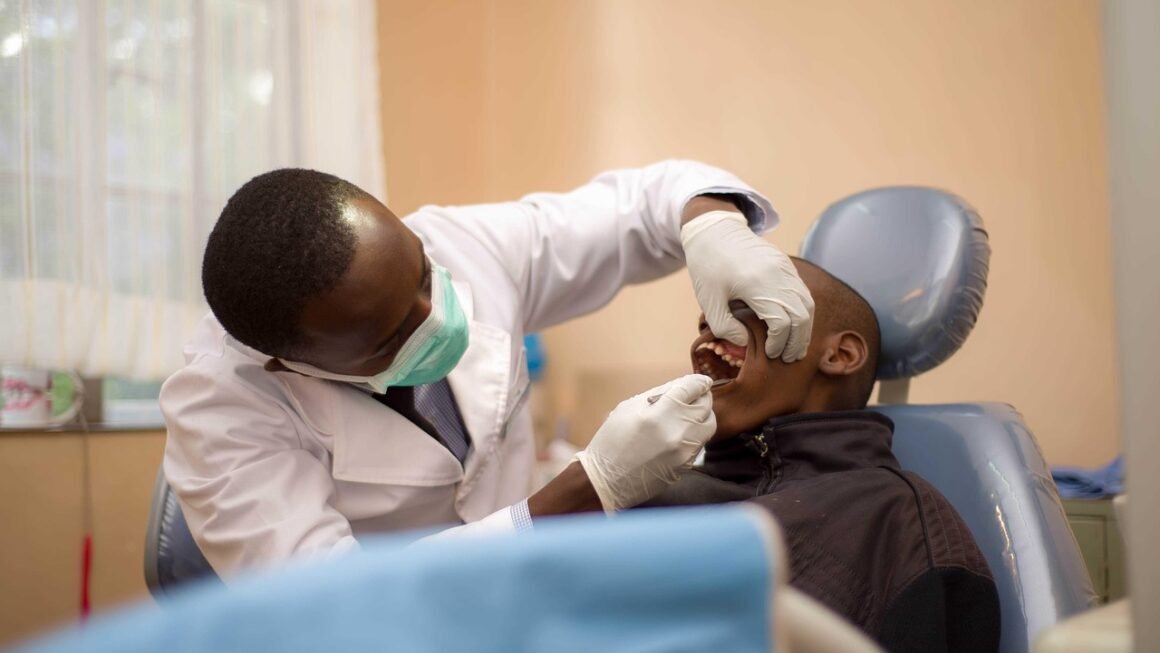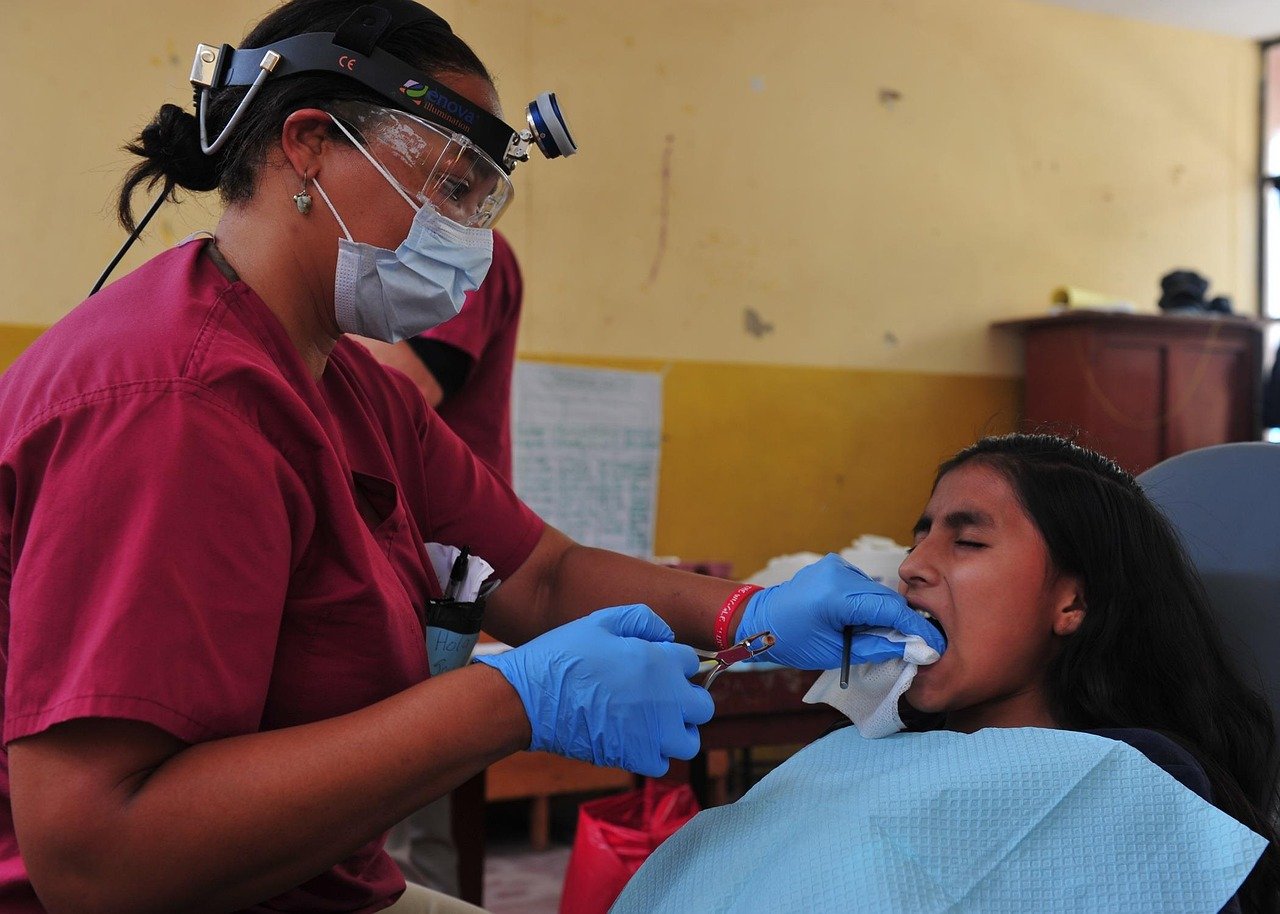
Dental visits – they’re not always top of mind, but they are absolutely crucial for maintaining not just a healthy smile, but also overall well-being. Many view a trip to the dentist as a chore, but in reality, regular dental check-ups are an investment in your health, helping to prevent serious issues and ensuring your smile stays bright and confident for years to come. Let’s explore why these visits are so important, what to expect, and how to make the most of them.
Why Regular Dental Visits Are Essential
Preventing Problems Before They Start
The cornerstone of good oral health is preventative care. Regular dental visits allow your dentist to identify potential problems early on, before they escalate into more serious and costly issues. This can include:
- Cavities: Small cavities can be detected and treated with fillings before they cause significant pain or require root canals.
- Gum Disease (Gingivitis and Periodontitis): Early stages of gum disease are often painless, but your dentist can spot signs of inflammation or bleeding gums and recommend appropriate treatment. Untreated gum disease can lead to tooth loss and has been linked to other health problems, like heart disease and diabetes.
- Oral Cancer: Dentists are trained to screen for signs of oral cancer during routine check-ups. Early detection is critical for successful treatment. The Oral Cancer Foundation estimates that approximately 54,000 Americans will be diagnosed with oral or oropharyngeal cancer this year.
- Other Health Issues: Sometimes, dental problems can indicate other underlying health issues. For example, persistent dry mouth can be a sign of diabetes or certain autoimmune diseases.
Professional Cleaning and Plaque Removal
No matter how diligent you are with brushing and flossing, you can still miss areas, leading to plaque and tartar buildup. Professional dental cleanings remove this buildup, reducing the risk of cavities and gum disease. This process, known as scaling and polishing, removes hardened plaque (tartar) that can’t be removed with regular brushing.
- Example: Think of the back molars – these are notoriously difficult to reach and often accumulate plaque. A professional cleaning ensures these areas are thoroughly cleaned.
- Tip: Ask your hygienist for personalized tips on brushing and flossing techniques to improve your at-home oral hygiene.
Maintaining a Bright and Confident Smile
Regular dental visits contribute to a brighter, more confident smile. Professional cleanings remove stains and discoloration, helping your teeth look their best. Moreover, addressing minor cosmetic concerns early on can prevent them from becoming more noticeable or requiring more extensive treatment later.
- Example: Surface stains from coffee, tea, or red wine can be effectively removed during a cleaning.
- Benefit: A healthy and attractive smile can boost your self-esteem and improve your overall quality of life.
What to Expect During a Dental Check-Up
The Comprehensive Examination
A typical dental check-up involves a thorough examination of your teeth, gums, and mouth. The dentist will check for signs of:
- Cavities: Using instruments and potentially X-rays, the dentist will look for areas of decay.
- Gum Disease: The dentist will measure the pockets between your teeth and gums to assess gum health. Healthy pockets are typically 1-3 millimeters deep.
- Oral Cancer Screening: The dentist will visually inspect your mouth for any suspicious lesions or abnormalities and may palpate your neck to check for enlarged lymph nodes.
- Overall Oral Health: The dentist will assess your bite, jaw function, and look for any other potential problems.
Professional Cleaning
As mentioned earlier, the cleaning process involves removing plaque and tartar buildup from your teeth. This is usually done using specialized instruments, such as a scaler. After scaling, your teeth will be polished with a special paste to smooth the surfaces and remove any remaining stains.
- Ultrasonic Scalers: Many dentists now use ultrasonic scalers, which use vibrations and water to remove tartar more efficiently and comfortably.
- Fluoride Treatment: Following the cleaning, a fluoride treatment may be applied to help strengthen your enamel and protect against cavities.
X-Rays: A Deeper Look
Dental X-rays are an essential tool for detecting problems that are not visible during a visual examination. They can reveal:
- Cavities between teeth.
- Impacted teeth (teeth that are blocked from erupting).
- Bone loss due to gum disease.
- Abscesses or infections.
- Cysts or tumors.
The amount of radiation from dental X-rays is very low and considered safe, especially with modern digital X-ray technology. Dentists follow the ALARA principle (As Low As Reasonably Achievable) to minimize radiation exposure.
Choosing the Right Dentist and Preparing for Your Visit
Finding a Dentist You Trust
Finding a dentist you feel comfortable with is crucial. Consider these factors when choosing a dentist:
- Location and Convenience: Choose a dentist whose office is easily accessible and has convenient hours.
- Insurance Coverage: Make sure the dentist accepts your dental insurance.
- Reputation and Reviews: Read online reviews and ask for recommendations from friends and family.
- Specialties and Services: If you have specific needs, such as cosmetic dentistry or orthodontics, choose a dentist who offers those services.
- Communication Style: A good dentist will explain procedures clearly and answer your questions patiently.
Preparing for Your Appointment
Before your appointment, there are a few things you can do to prepare:
- Compile a List of Questions: Write down any questions or concerns you have about your oral health.
- Medication List: Bring a list of all medications you are currently taking.
- Insurance Information: Have your insurance card ready.
- Dental History: Be prepared to discuss your dental history, including any past treatments or procedures.
- Be On Time: Arriving on time for your appointment shows respect for your dentist’s schedule.
Beyond the Check-Up: Maintaining Optimal Oral Health
Brushing and Flossing: The Foundation
Effective brushing and flossing are the cornerstones of good oral hygiene. Here are some tips:
- Brush at Least Twice a Day: Brush your teeth for at least two minutes each time, using fluoride toothpaste.
- Floss Daily: Floss between your teeth to remove plaque and food particles that your toothbrush can’t reach.
- Use Proper Technique: Use gentle, circular motions when brushing and avoid scrubbing.
- Replace Your Toothbrush Regularly: Replace your toothbrush every three months or sooner if the bristles are frayed.
Diet and Oral Health
What you eat can have a significant impact on your oral health. Limit your intake of:
- Sugary Foods and Drinks: Sugar feeds bacteria in your mouth, leading to acid production and cavities.
- Acidic Foods and Drinks: Acid can erode tooth enamel, making your teeth more susceptible to decay.
- Sticky Foods: Sticky foods can cling to your teeth, providing a breeding ground for bacteria.
Instead, focus on eating a balanced diet rich in fruits, vegetables, and whole grains. Dairy products, especially cheese, can also help protect your teeth by neutralizing acid.
Addressing Bad Habits
Certain habits can be detrimental to your oral health. Try to avoid or eliminate:
- Smoking: Smoking increases your risk of gum disease, oral cancer, and other health problems.
- Teeth Grinding (Bruxism): Grinding your teeth can wear down your enamel and cause jaw pain.
- Chewing on Ice: Chewing on ice can chip or crack your teeth.
- Using Your Teeth as Tools: Avoid using your teeth to open bottles or tear things.
Conclusion
Regular dental visits are an indispensable part of maintaining good oral and overall health. By understanding the importance of preventative care, knowing what to expect during a check-up, and adopting healthy oral hygiene habits, you can protect your smile for years to come. Don’t wait until you experience pain or discomfort – schedule your next dental appointment today and invest in a healthier, happier you.