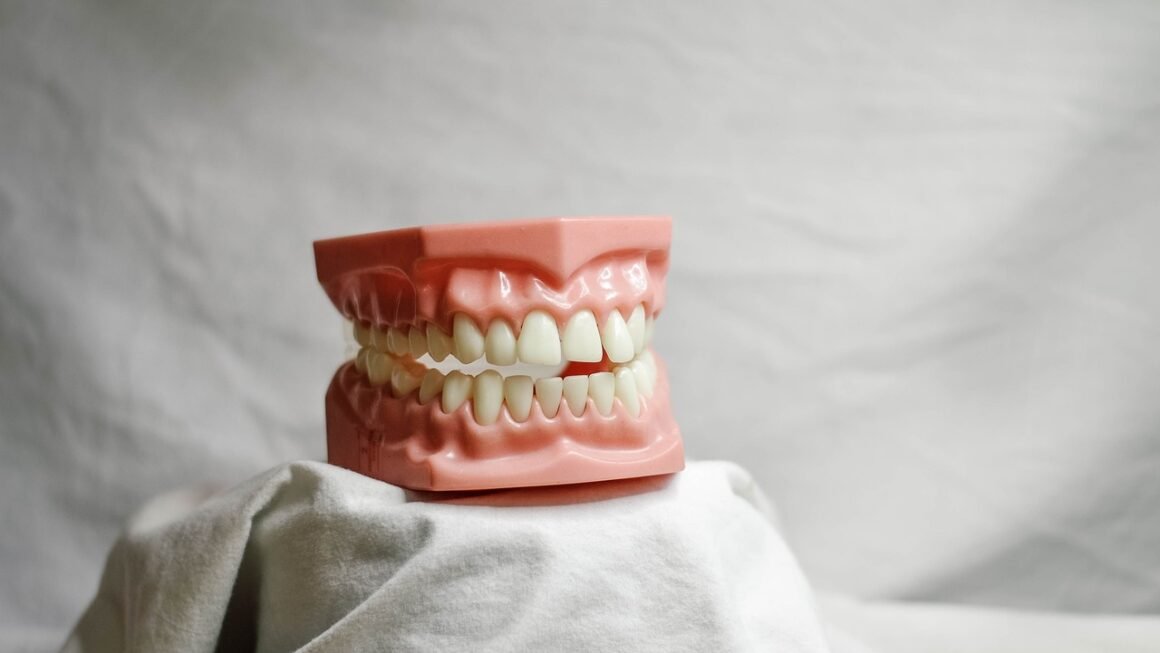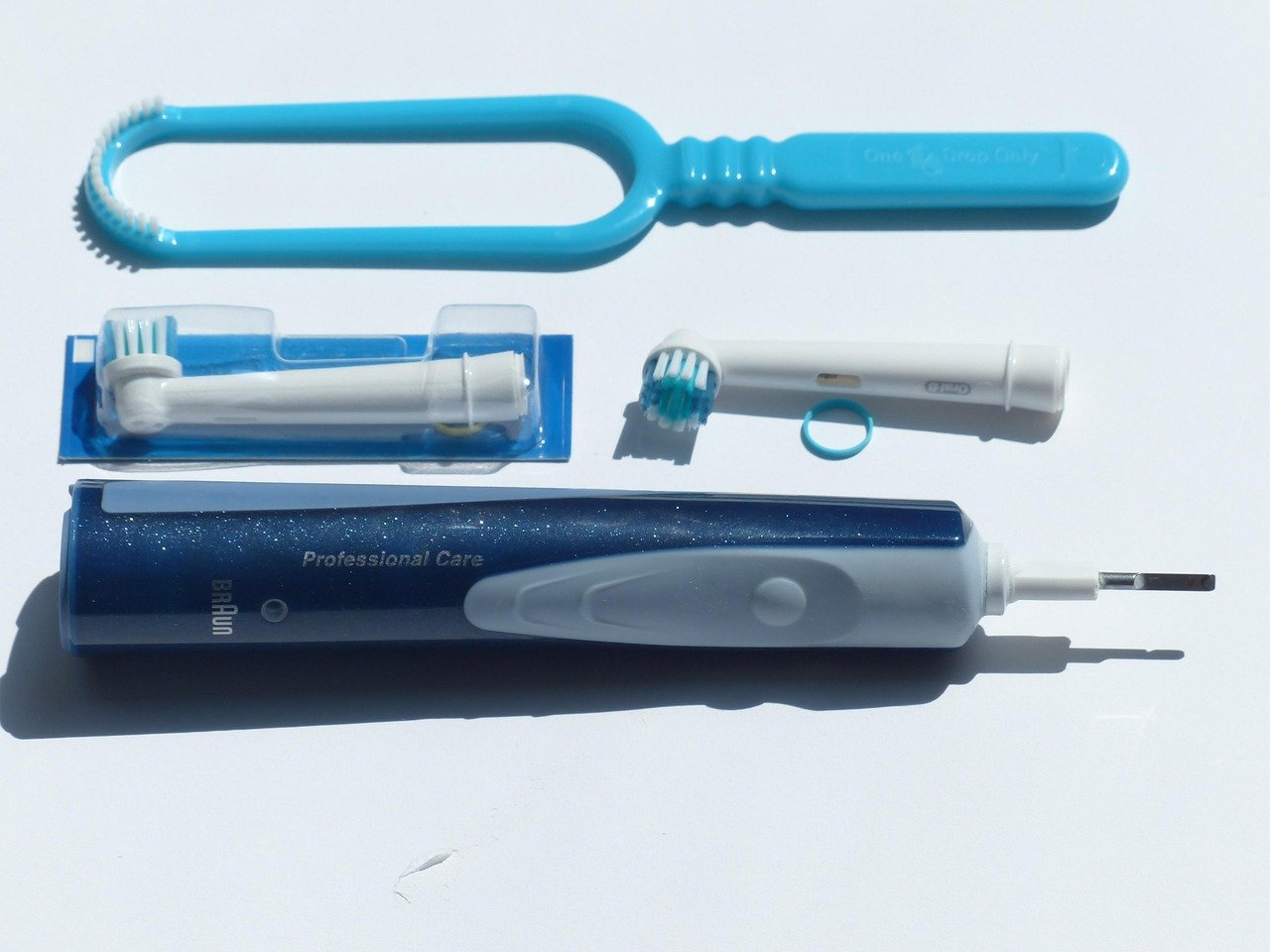
Dental tools, often unseen by the patient, are the unsung heroes of oral health. From the intricate explorers that detect subtle cavities to the powerful drills that remove decay, these instruments are vital for maintaining healthy teeth and gums. Understanding the purpose and function of these tools can help alleviate anxiety and foster a greater appreciation for the care you receive during dental appointments. This comprehensive guide will explore the various types of dental tools, their uses, and how they contribute to your overall oral health.
Diagnostic Dental Tools
Proper diagnosis is the cornerstone of effective dental treatment. Diagnostic tools enable dentists to identify problems early, preventing them from escalating into more complex and costly issues.
Dental Mirrors
The humble dental mirror is a dentist’s best friend. It’s not just for seeing the reflection of your pearly whites; it serves several crucial functions.
- Indirect Vision: Mirrors allow the dentist to see areas of the mouth that are difficult or impossible to view directly, such as the back of molars.
- Retraction: They retract the tongue, cheeks, and lips, providing a clear field of view.
- Illumination: Mirrors can reflect light onto dark areas of the mouth, enhancing visibility.
- Example: Imagine a dentist using a mirror to examine the lingual (tongue-side) surfaces of your lower molars. Without it, this area would be nearly impossible to inspect properly.
Explorers
Explorers are slender, pointed instruments used to detect surface irregularities in teeth, primarily cavities and other enamel defects.
- Tactile Sensitivity: Dentists rely on the explorer’s sharp tip to feel even the smallest changes in tooth texture.
- Cavity Detection: A “sticky” sensation when the explorer passes over a suspected area indicates potential decay. However, aggressive use of explorers is discouraged, as it can damage weakened enamel.
- Example: The dentist runs the explorer along the chewing surface of a molar. A slight catch indicates a possible fissure or early cavity. Further investigation with other tools and diagnostic techniques may be necessary to confirm.
Probes
Periodontal probes are thin instruments marked with millimeter increments. They are essential for assessing the health of your gums.
- Pocket Depth Measurement: The probe is gently inserted between the tooth and gum to measure the depth of the “pocket” or space. Healthy gums have shallow pockets (1-3mm).
- Bleeding Assessment: Bleeding upon probing indicates inflammation and potential gum disease (gingivitis or periodontitis).
- Example: A pocket depth of 5mm with bleeding indicates moderate periodontitis, requiring more in-depth treatment and potentially referral to a periodontist.
Dental X-rays (Radiographs)
While not handheld tools, dental X-rays are critical for diagnosing problems beneath the surface of the teeth and gums. They reveal issues invisible to the naked eye.
- Cavity Detection: X-rays can detect cavities between teeth or under existing fillings.
- Bone Loss Assessment: They show the amount of bone supporting the teeth, crucial for diagnosing and managing periodontal disease.
- Root Examination: X-rays reveal the shape and position of tooth roots, important for root canal therapy and extractions.
- Example: A bitewing X-ray reveals a small cavity forming between two molars, allowing the dentist to address it before it becomes a more serious problem. According to the American Dental Association (ADA), routine X-rays are essential for maintaining optimal oral health.
Scaling and Root Planing Tools
These tools are specifically designed to remove plaque and tartar (calculus) from the teeth and below the gum line, preventing and treating gum disease.
Scalers
Scalers come in various shapes and sizes, each designed to access specific areas of the mouth and tooth surfaces.
- Supragingival Scaling: Used to remove plaque and tartar above the gum line.
- Different Designs: Sickle scalers, hoe scalers, and chisel scalers are common types, each with a specific blade shape for optimal cleaning.
- Example: A sickle scaler might be used to remove a heavy build-up of tartar on the front teeth.
Curettes
Curettes are similar to scalers but have a rounded tip, making them safer and more effective for removing plaque and tartar below the gum line.
- Subgingival Scaling: Designed to reach deep into periodontal pockets.
- Root Planing: The process of smoothing the root surfaces of teeth to remove bacteria and promote healing.
- Example: A Gracey curette, specifically designed for posterior teeth, is used to smooth the root surface of a molar, removing embedded bacteria and toxins.
Ultrasonic Scalers
Ultrasonic scalers use high-frequency vibrations and water to remove plaque and tartar.
- Efficient Cleaning: Often faster and more comfortable than traditional hand scalers.
- Water Irrigation: The water spray helps to flush away debris and bacteria.
- Example: An ultrasonic scaler is used to remove heavy calculus build-up from multiple teeth. The vibrating tip dislodges the tartar, while the water stream washes it away.
Restorative Dental Tools
Restorative tools are used to repair damaged or decayed teeth, restoring their function and appearance.
Dental Drills (Handpieces)
Dental drills, or handpieces, are used to remove decay, shape teeth for fillings, and perform other restorative procedures.
- High-Speed Handpiece: Used for rapid removal of decay and shaping teeth for crowns and veneers. Reaches speeds up to 400,000 rpm.
- Low-Speed Handpiece: Used for polishing teeth, removing soft decay, and performing root canal therapy.
- Example: A high-speed handpiece is used to remove decay from a cavity before placing a filling. The dentist carefully controls the drill to avoid damaging healthy tooth structure.
Burs
Burs are the cutting instruments that attach to dental drills. They come in various shapes and sizes, each designed for a specific purpose.
- Different Materials: Made from carbide, diamond, or other materials.
- Variety of Shapes: Round burs, pear-shaped burs, and flame-shaped burs are just a few examples.
- Example: A round bur is used to initiate access to a cavity, while a pear-shaped bur is used to refine the shape of the cavity preparation.
Filling Instruments
These tools are used to place and shape filling materials, such as composite resin or amalgam.
- Condensers: Used to pack amalgam fillings tightly into the prepared cavity.
- Carvers: Used to shape and contour the filling material to match the natural tooth anatomy.
- Burnishers: Used to smooth and polish the filling surface.
- Example: After placing a composite filling, the dentist uses a carver to recreate the natural grooves and ridges on the tooth’s surface, ensuring proper bite and aesthetics.
Surgical Dental Tools
Surgical tools are used for more complex procedures, such as extractions, implants, and gum surgery.
Forceps
Forceps are used to grasp and extract teeth.
- Variety of Designs: Different forceps are designed for specific teeth (e.g., molars, premolars, incisors).
- Secure Grip: Provide a firm grip on the tooth for controlled extraction.
- Example: A specific type of forceps is used to carefully extract a wisdom tooth. The dentist uses a rocking motion to loosen the tooth before removing it entirely.
Elevators
Elevators are used to loosen teeth from their sockets before extraction.
- Different Shapes: Straight elevators, triangular elevators, and root tip elevators are common types.
- Gentle Luxation: Used to gently separate the tooth from the surrounding bone and ligaments.
- Example: An elevator is used to loosen a severely decayed tooth before forceps are used for extraction, minimizing trauma to the surrounding tissues.
Sutures and Needles
After surgical procedures, sutures (stitches) are used to close the wound and promote healing.
- Absorbable vs. Non-Absorbable Sutures: Absorbable sutures dissolve on their own, while non-absorbable sutures must be removed by the dentist.
- Precise Closure: Allow for precise closure of the surgical site, minimizing bleeding and promoting optimal healing.
- Example: Following a wisdom tooth extraction, sutures are placed to close the gum tissue, promoting faster healing and reducing the risk of infection.
Conclusion
Dental tools are indispensable for maintaining optimal oral health. From diagnostic instruments that detect early signs of disease to restorative tools that repair damaged teeth and surgical instruments that address more complex issues, each tool plays a crucial role in providing comprehensive dental care. Understanding the function and purpose of these tools can help patients feel more informed and less anxious during dental appointments, ultimately fostering a better patient-dentist relationship and improved oral health outcomes. Regular dental check-ups, combined with the skilled use of these tools, are essential for a healthy and confident smile.