Maintaining excellent oral health is crucial for overall well-being. Regular dental visits are a cornerstone of preventative care, going beyond just teeth cleaning and playing a vital role in detecting and addressing potential problems before they escalate. This comprehensive guide will walk you through everything you need to know about making the most of your dental appointments and keeping your smile healthy and bright.
Why Regular Dental Visits Matter
The Power of Prevention
Skipping dental appointments can lead to a host of dental problems that are often more painful and costly to treat down the line. Regular check-ups are proactive, allowing dentists to identify issues early on.
- Early Detection of Cavities: Dentists can spot cavities in their early stages through visual exams and X-rays, preventing them from growing larger and requiring more extensive treatment, such as root canals.
- Gum Disease Prevention: Gum disease, or periodontitis, is a common condition that can lead to tooth loss. Regular cleanings remove plaque and tartar buildup, preventing gum inflammation and potential bone damage.
- Oral Cancer Screening: During a dental check-up, the dentist will examine your mouth, tongue, and throat for any signs of oral cancer. Early detection greatly improves treatment outcomes.
- Addressing Bad Habits: Your dentist can identify harmful habits like teeth grinding (bruxism) or improper brushing techniques and offer solutions to prevent further damage. For example, they might recommend a night guard for bruxism or demonstrate the correct way to brush and floss.
- Example: Imagine you have a small cavity that you don’t notice. A regular dental visit can catch this cavity before it reaches the nerve, saving you from potential pain and a more invasive procedure like a root canal.
Beyond the Teeth: Systemic Health Connections
Oral health is intricately linked to overall health. Studies have shown connections between oral health and conditions such as heart disease, diabetes, and respiratory infections.
- Inflammation Link: Gum disease can cause inflammation in the body, which can contribute to cardiovascular problems.
- Diabetes Management: People with diabetes are more susceptible to gum disease, and gum disease can make it harder to control blood sugar levels. Regular dental care is essential for managing both conditions.
- Pregnancy and Oral Health: Hormonal changes during pregnancy can increase the risk of gum disease. Maintaining good oral health during pregnancy is important for both the mother and the baby.
- Practical Detail: If you have diabetes, be sure to inform your dentist. They may recommend more frequent cleanings and closer monitoring of your gum health.
What to Expect During a Dental Visit
Initial Consultation and Examination
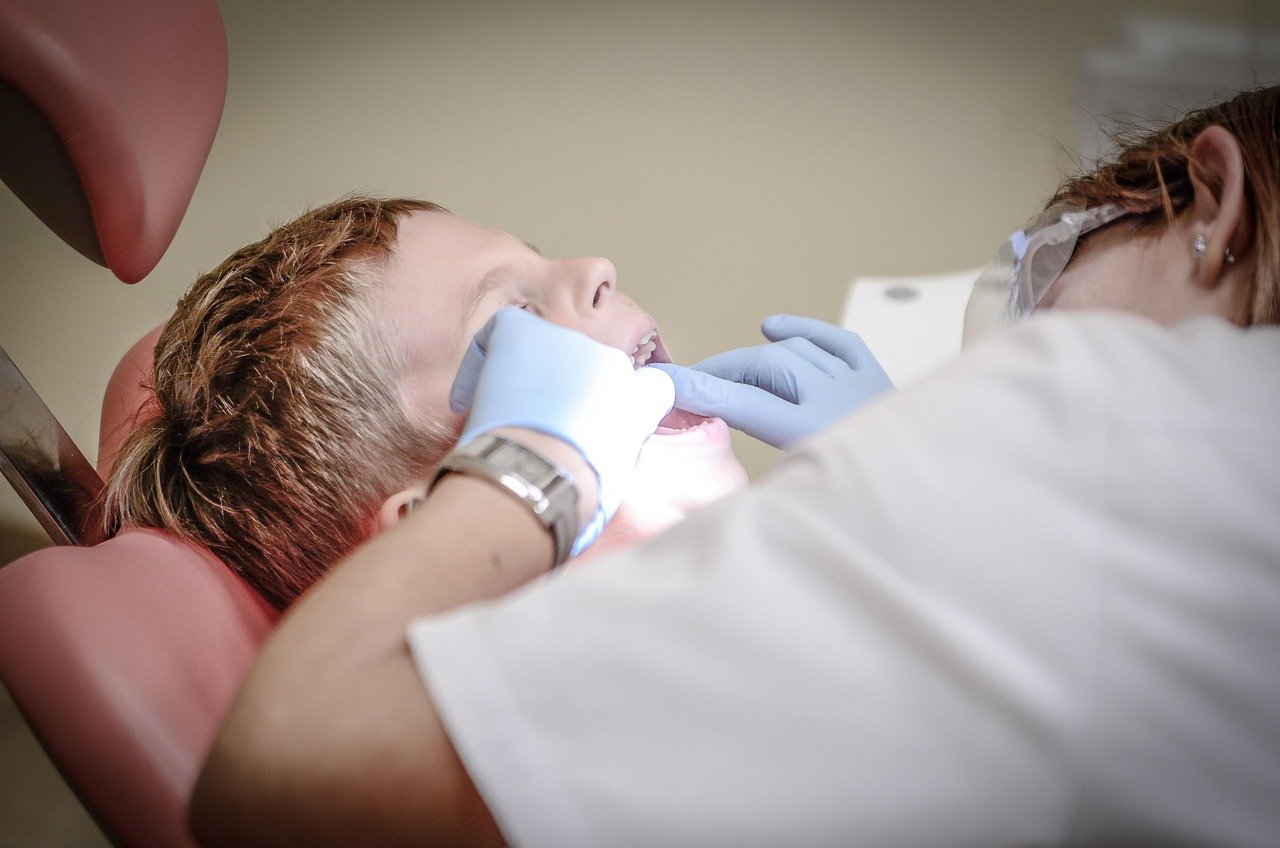
Your first visit typically involves a comprehensive review of your medical history and a thorough examination of your mouth.
- Medical History Review: The dentist will ask about your medical history, including any medications you are taking, allergies, and chronic conditions. Be honest and thorough in your answers.
- Visual Examination: The dentist will examine your teeth, gums, and oral tissues for any signs of decay, gum disease, or other abnormalities.
- X-Rays: X-rays provide a more detailed view of your teeth and jawbone, allowing the dentist to detect problems that are not visible during a visual exam, such as cavities between teeth or bone loss.
- Example: Don’t be surprised if the dentist asks about your family history of dental problems. Genetics can play a role in your susceptibility to certain conditions.
Professional Cleaning
A professional cleaning, performed by a dental hygienist, removes plaque and tartar buildup that cannot be removed by brushing and flossing alone.
- Scaling: This involves removing plaque and tartar from the surface of your teeth and along the gum line using specialized instruments.
- Polishing: Polishing removes stains and smooths the tooth surface, making it more difficult for plaque to adhere.
- Fluoride Treatment: Fluoride strengthens tooth enamel and helps prevent cavities. It is often applied as a varnish or gel after cleaning.
- Practical Tip: Ask your hygienist for personalized tips on brushing and flossing techniques. They can identify areas where you may be missing and provide tailored advice.
Diagnosis and Treatment Planning
Based on the examination and X-rays, the dentist will diagnose any dental problems and develop a treatment plan.
- Discussing Findings: The dentist will explain their findings to you and answer any questions you may have.
- Treatment Options: They will discuss various treatment options, including the benefits, risks, and costs of each.
- Prioritizing Treatment: The dentist will help you prioritize your treatment needs, addressing the most urgent issues first.
- Example: If you have multiple cavities, the dentist will likely recommend treating the largest and most problematic ones first to prevent further damage.
Overcoming Dental Anxiety
Understanding Dental Anxiety
Dental anxiety is a common fear that can prevent people from seeking necessary dental care. Understanding the causes and finding effective coping mechanisms is crucial.
- Causes of Dental Anxiety: Past negative experiences, fear of pain, and feelings of helplessness can contribute to dental anxiety.
- Communicating with Your Dentist: Talking to your dentist about your anxieties can help them tailor the appointment to your needs.
- Relaxation Techniques: Deep breathing exercises, meditation, and progressive muscle relaxation can help calm your nerves before and during the appointment.
- Practical Example: Let your dentist know if you have a sensitive gag reflex. They can adjust their techniques to minimize discomfort.
Strategies for a More Comfortable Experience
There are many strategies you can use to make your dental visits more comfortable.
- Distraction Techniques: Listening to music, watching a movie, or squeezing a stress ball can help distract you from the procedure.
- Sedation Options: If your anxiety is severe, talk to your dentist about sedation options, such as nitrous oxide (laughing gas) or oral sedation.
- Choosing a Dentist You Trust: Finding a dentist who is patient, understanding, and willing to listen to your concerns can make a big difference.
- Practical Tip: Schedule your appointments for a time when you are less likely to be stressed or rushed. Morning appointments are often a good choice.
Maintaining Good Oral Hygiene at Home
Brushing Techniques
Brushing your teeth properly is essential for removing plaque and preventing cavities.
- Brush at Least Twice a Day: Brush your teeth for two minutes each time, using a soft-bristled toothbrush and fluoride toothpaste.
- Proper Technique: Use gentle, circular motions to clean all surfaces of your teeth, including the front, back, and chewing surfaces.
- Replace Your Toothbrush Regularly: Replace your toothbrush every three to four months, or sooner if the bristles are frayed.
- Practical Detail: Consider using an electric toothbrush. Studies have shown that they can be more effective at removing plaque than manual toothbrushes.
Flossing and Interdental Cleaning
Flossing removes plaque and food particles from between your teeth, where your toothbrush cannot reach.
- Floss Daily: Floss at least once a day, preferably before bedtime.
- Proper Technique: Use about 18 inches of floss and gently slide it between your teeth, using a back-and-forth motion.
- Alternative Cleaning Methods: If you have difficulty using traditional floss, consider using interdental brushes or water flossers.
- Practical Tip: If you find flossing difficult, try using floss picks. They are easier to handle and can be especially helpful for people with limited dexterity.
Diet and Oral Health
What you eat and drink can have a significant impact on your oral health.
- Limit Sugary Foods and Drinks: Sugar feeds bacteria in your mouth, leading to acid production and tooth decay.
- Choose Healthy Snacks: Opt for healthy snacks like fruits, vegetables, and nuts.
- Stay Hydrated: Drinking plenty of water helps rinse away food particles and keeps your mouth moist.
- Example: Instead of reaching for a sugary soda, choose water or unsweetened tea.
Conclusion
Regular dental visits are an investment in your overall health and well-being. By understanding the importance of preventative care, knowing what to expect during your appointments, and practicing good oral hygiene at home, you can keep your smile healthy and bright for years to come. Don’t let dental anxiety hold you back – find a dentist you trust, communicate your concerns, and explore strategies to make your visits more comfortable. Remember, a healthy mouth contributes to a healthy body.