Dental bridgework can be a life-changing solution for those missing teeth, restoring not only your smile’s aesthetics but also its functionality. A dental bridge is a custom-made prosthetic designed to fill the gap created by one or more missing teeth. This blog post will delve into the world of dental bridges, covering everything from their types and benefits to the procedure involved and long-term care. If you’re considering a dental bridge, or simply want to learn more, this guide will provide you with the information you need to make an informed decision.
What is a Dental Bridge?
Definition and Purpose
A dental bridge, as the name suggests, “bridges” the gap created by missing teeth. It consists of a false tooth (or teeth), known as a pontic, anchored in place by abutment teeth on either side of the gap. These abutment teeth are typically fitted with crowns to provide a stable foundation for the pontic.
The primary purposes of a dental bridge are:
- Restoring your smile: Filling the visible gap left by missing teeth improves your appearance and boosts your confidence.
- Restoring chewing ability: Missing teeth can make it difficult to chew certain foods. A bridge restores your ability to eat a wider variety of foods.
- Maintaining facial shape: Teeth support facial muscles. Missing teeth can lead to sagging and premature aging.
- Preventing teeth from drifting: Missing teeth can cause adjacent teeth to shift out of position, leading to bite problems and potential jaw pain.
- Improving speech: Missing teeth can affect pronunciation and clarity of speech.
Types of Dental Bridges
There are several types of dental bridges, each with its own advantages and disadvantages. Your dentist will recommend the most suitable option based on your specific needs and the location of the missing teeth.
- Traditional Bridges: These are the most common type, consisting of a pontic supported by crowns cemented onto the abutment teeth. They’re suitable when there are healthy, strong teeth on both sides of the gap.
- Cantilever Bridges: A cantilever bridge is used when there’s only one abutment tooth adjacent to the missing tooth. It involves attaching the pontic to a single supporting tooth. They are generally not recommended for the back of the mouth as they can place excessive force on the abutment tooth.
- Maryland Bridges (Resin-Bonded Bridges): This type uses a metal or porcelain framework bonded to the back of the abutment teeth. They are less invasive than traditional bridges as they require minimal alteration of the abutment teeth. Maryland bridges are best suited for replacing front teeth that are not subjected to heavy biting forces.
- Implant-Supported Bridges: Instead of relying on natural teeth for support, implant-supported bridges are anchored to dental implants surgically placed in the jawbone. This type offers superior stability and longevity, but it involves a more complex and costly procedure.
The Dental Bridge Procedure
Initial Consultation and Assessment
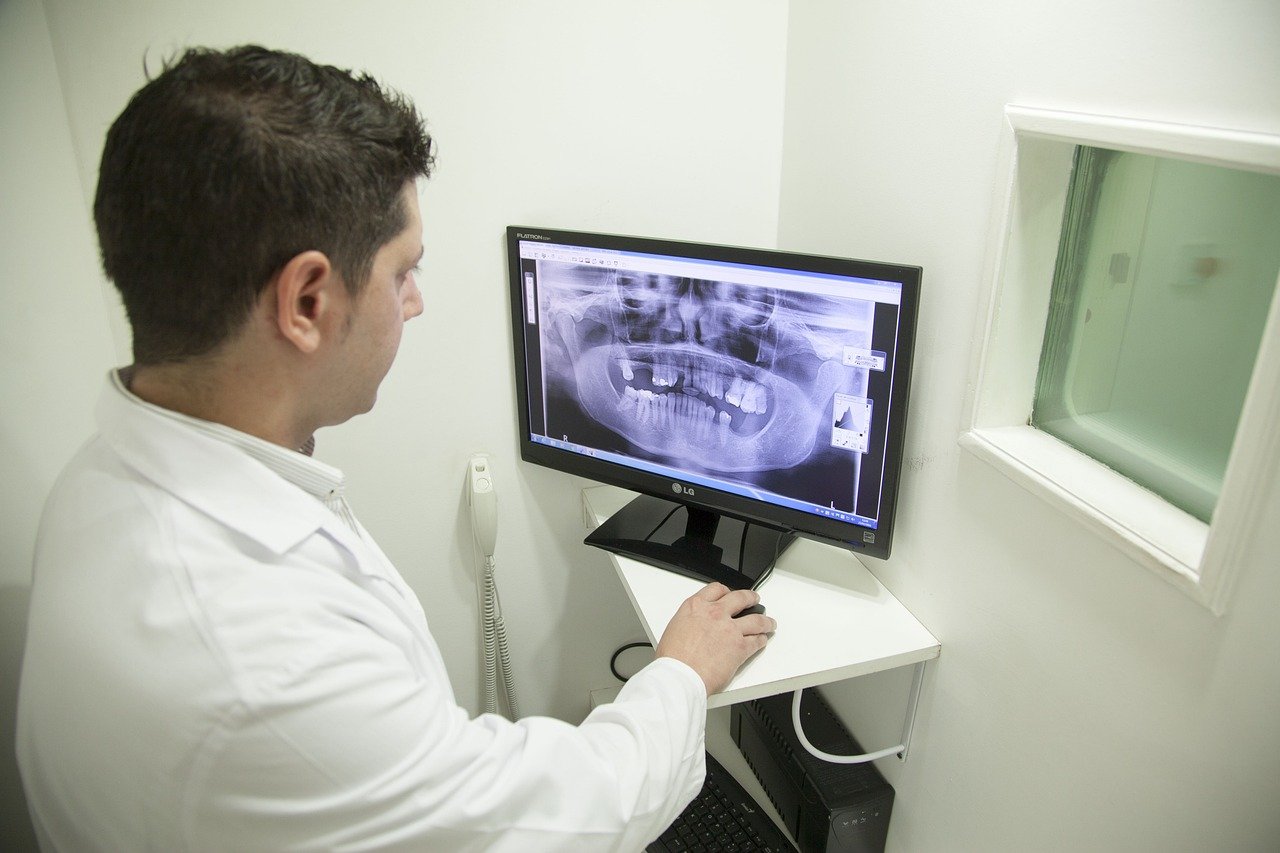
The process begins with a thorough examination by your dentist. This includes assessing the health of your gums, teeth, and jawbone. X-rays are typically taken to evaluate the underlying structures and determine if you’re a suitable candidate for a dental bridge. Your dentist will discuss your options, the pros and cons of each type of bridge, and answer any questions you may have.
Preparation of Abutment Teeth
For traditional bridges, the abutment teeth need to be prepared to receive crowns. This involves reshaping the teeth to create space for the crown to fit over them. The amount of tooth structure removed will depend on the type of crown being used. After preparation, impressions of your teeth are taken to create a precise model for the dental laboratory to fabricate the bridge.
Fabrication of the Dental Bridge
The dental laboratory uses the impressions to create a custom-made bridge that perfectly matches the color, shape, and size of your existing teeth. This process may take a week or two. In the meantime, your dentist will provide you with a temporary bridge to protect the prepared abutment teeth and maintain your appearance.
Bridge Placement and Adjustments
Once the permanent bridge is ready, you’ll return to the dentist’s office for placement. The temporary bridge is removed, and the permanent bridge is carefully fitted onto the abutment teeth. The dentist will check the fit, bite, and appearance of the bridge and make any necessary adjustments. Once you and your dentist are satisfied, the bridge is permanently cemented into place.
Example: John, a 55-year-old, lost a molar due to decay. His dentist recommended a traditional bridge. The abutment teeth were prepared, impressions taken, and a temporary bridge placed. Two weeks later, the permanent bridge was cemented. John now chews comfortably and smiles with confidence.
Benefits of Dental Bridges
Functional Advantages
- Improved Chewing: Bridges restore your ability to chew food properly, allowing for better digestion and nutrient absorption.
- Enhanced Speech: Replacing missing teeth can improve speech clarity and pronunciation.
- Prevention of Tooth Shifting: A bridge prevents adjacent teeth from drifting into the space created by the missing tooth, which can lead to bite problems.
- Support of Facial Structures: By filling the gap, the bridge helps maintain the natural shape of your face and prevents premature aging.
Aesthetic Advantages
- Restored Smile: A dental bridge fills unsightly gaps in your smile, boosting your confidence and self-esteem.
- Natural Appearance: Modern dental bridges are crafted to closely resemble natural teeth, providing a seamless and natural-looking result.
Long-Term Benefits
- Preservation of Bite Alignment: Prevents bite problems and potential jaw pain caused by shifting teeth.
- Prevention of Further Tooth Loss: By supporting the surrounding teeth, a bridge can help prevent further tooth loss due to shifting and increased stress on remaining teeth.
Caring for Your Dental Bridge
Oral Hygiene Practices
Maintaining excellent oral hygiene is crucial for the longevity of your dental bridge. This includes:
- Brushing: Brush your teeth at least twice a day with fluoride toothpaste, paying close attention to the areas around the bridge and abutment teeth.
- Flossing: Floss daily to remove plaque and food particles from between your teeth and under the bridge. Use floss threaders or interdental brushes to clean hard-to-reach areas.
- Mouthwash: Rinse with an antibacterial mouthwash to kill bacteria and reduce the risk of gum disease.
Diet and Lifestyle Tips
Certain dietary and lifestyle habits can impact the health and longevity of your dental bridge:
- Avoid Hard or Sticky Foods: Hard candies, nuts, and sticky foods like caramel can damage or dislodge the bridge.
- Limit Sugary Foods and Drinks: Sugar contributes to plaque buildup and tooth decay, increasing the risk of problems around the bridge and abutment teeth.
- Don’t Use Teeth as Tools: Avoid using your teeth to open packages or crack nuts, as this can damage the bridge and your natural teeth.
- Quit Smoking: Smoking increases the risk of gum disease and can compromise the health of your gums and bone, affecting the stability of the bridge.
Regular Dental Check-ups
Regular dental check-ups are essential for monitoring the health of your bridge and ensuring its longevity. Your dentist will examine the bridge, abutment teeth, and surrounding tissues to detect any problems early on. They will also provide professional cleaning to remove plaque and tartar buildup that you may not be able to remove at home.
Tip: Invest in an electric toothbrush with a small head to effectively clean around the bridge and abutment teeth. Consider using a water flosser to help remove debris from under the bridge.
Alternatives to Dental Bridges
Dental Implants
Dental implants are a popular alternative to bridges. They involve surgically placing a titanium post into the jawbone to act as a replacement tooth root. Once the implant has fused with the bone, a crown is attached to the implant.
Advantages:
- Long-lasting: Implants can last a lifetime with proper care.
- Independent: Implants don’t rely on adjacent teeth for support, preserving their health.
- Bone Stimulation: Implants stimulate bone growth, preventing bone loss in the jaw.
Disadvantages:
- Cost: Implants are generally more expensive than bridges.
- Procedure: Implant placement requires surgery and a longer healing period.
Removable Partial Dentures
Removable partial dentures are another option for replacing missing teeth. They consist of artificial teeth attached to a metal or acrylic base that is held in place by clasps that attach to adjacent teeth.
Advantages:
- Cost-Effective: Partial dentures are typically less expensive than bridges or implants.
- Non-Invasive: They don’t require any alteration of adjacent teeth.
Disadvantages:
- Less Stable: Partial dentures can be less stable than bridges or implants.
- Comfort: Some people find them uncomfortable to wear.
- Aesthetics: They may not look as natural as bridges or implants.
Conclusion
Dental bridges are a reliable and effective solution for restoring your smile and oral function after tooth loss. Understanding the different types of bridges, the procedure involved, and the importance of proper care is crucial for making an informed decision and ensuring the longevity of your dental restoration. While alternatives like dental implants and partial dentures exist, bridges offer a balanced approach that combines functionality, aesthetics, and affordability. By working closely with your dentist and practicing good oral hygiene, you can enjoy the benefits of a healthy, beautiful smile for years to come. Remember to schedule regular check-ups to monitor your bridge and maintain optimal oral health.