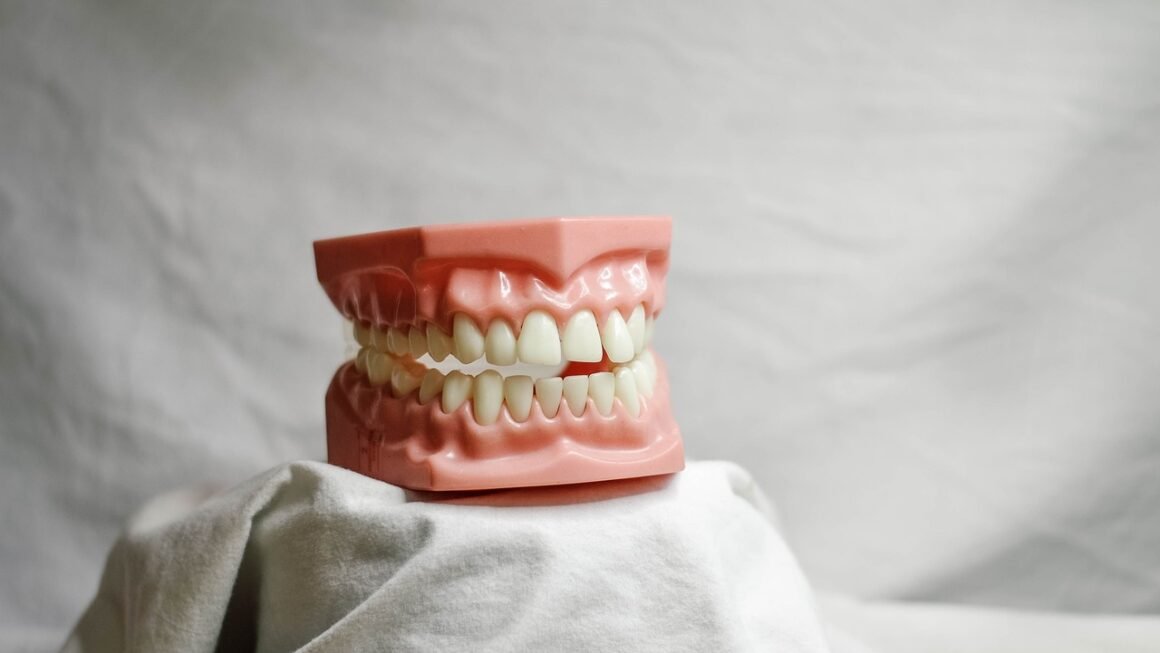
Dental tools might not be something you think about every day, but they play a crucial role in maintaining your oral health. From the humble dental mirror to sophisticated ultrasonic scalers, these instruments enable dentists and hygienists to diagnose, treat, and prevent dental problems. Understanding the different types of tools and their functions can help you appreciate the precision and care that goes into your dental visits, and even encourage better at-home oral hygiene.
Essential Dental Diagnostic Tools
Dental Mirrors
The dental mirror is one of the simplest yet most essential tools in a dentist’s arsenal. It’s far more than just a reflective surface. Think of it as the dentist’s eye extender, allowing them to see into hidden areas of your mouth.
- Purpose: Provides indirect vision, reflects light onto dark areas, and retracts soft tissues like the tongue and cheeks.
- Practical Example: A dentist uses a dental mirror to examine the back surfaces of your molars, areas that are difficult to see directly. It’s also used to visualize the gum line around your back teeth, checking for signs of inflammation or recession.
- Benefit: Allows for a comprehensive examination of the entire oral cavity without causing undue discomfort.
Explorers
Dental explorers are slender, pointed instruments used to detect abnormalities on the tooth surface. They are crucial for identifying cavities and other irregularities.
- Purpose: Detects cavities, calculus (tartar), and other surface irregularities.
- Practical Example: A dentist gently runs an explorer along the chewing surface of your molars. If the explorer “catches” in a pit or fissure, it may indicate the presence of a cavity. The explorer can also be used to check the margins of fillings for any gaps or defects.
- Benefit: Early detection of cavities allows for less invasive and more effective treatment. It’s like having a tiny, sensitive antenna searching for early signs of trouble.
Probes
Probes are used to measure the depth of periodontal pockets, the spaces between your teeth and gums. This measurement is a key indicator of gum health.
- Purpose: Measures periodontal pocket depth, assesses gum health, and identifies bleeding points.
- Practical Example: During a periodontal exam, the dentist or hygienist gently inserts a probe between your tooth and gum. The probe has markings in millimeters, allowing them to measure the pocket depth. Healthy gums typically have a pocket depth of 1-3 millimeters. Deeper pockets can indicate gum disease.
- Benefit: Helps diagnose and monitor periodontal disease, allowing for timely intervention to prevent tooth loss.
Instruments for Cleaning and Scaling
Scalers and Curettes
Scalers and curettes are the workhorses of professional teeth cleaning. They are used to remove plaque and calculus from tooth surfaces, both above and below the gum line.
- Purpose: Removes plaque, calculus, and stains from teeth. Scalers are designed for removing deposits above the gum line, while curettes are used to clean below the gum line.
- Practical Example: The hygienist uses a scaler to scrape away hardened calculus from the surfaces of your teeth. Then, they switch to a curette to gently clean the root surfaces under the gums, removing bacteria and toxins that contribute to gum disease.
- Benefit: Preventative care to reduce the risk of cavities and periodontal disease.
Ultrasonic Scalers
Ultrasonic scalers utilize high-frequency vibrations and water to remove plaque and calculus. They’re often more efficient and comfortable than traditional hand scalers.
- Purpose: Removes plaque and calculus using ultrasonic vibrations and a water spray.
- Practical Example: The hygienist guides the ultrasonic scaler along your teeth. The vibrations break up the calculus, and the water spray flushes away the debris. Many patients find ultrasonic scalers less abrasive and more comfortable than hand scaling.
- Benefit: More efficient and potentially more comfortable method of removing plaque and calculus. The water spray also helps to wash away bacteria and debris, promoting a cleaner environment.
Polishers
After scaling, polishing removes surface stains and smooths the tooth enamel, making it more difficult for plaque to adhere.
- Purpose: Removes surface stains and polishes teeth.
- Practical Example: The hygienist uses a small, rotating cup or brush with a polishing paste to buff the surfaces of your teeth. This removes stains caused by coffee, tea, or tobacco, leaving your teeth feeling smooth and looking brighter.
- Benefit: Removes stains, polishes teeth for a smoother surface, and discourages future plaque buildup.
Restorative Dentistry Tools
High-Speed Handpieces (Drills)
High-speed handpieces, commonly known as drills, are used to remove decay and shape teeth for fillings, crowns, and other restorations.
- Purpose: Removes decay, shapes teeth for restorations (fillings, crowns, etc.).
- Practical Example: When you have a cavity, the dentist uses a high-speed handpiece to remove the decayed portion of the tooth. The handpiece rotates at very high speeds, allowing for precise and efficient removal of the damaged tooth structure.
- Benefit: Precise removal of decay, creating a solid foundation for restorations.
Low-Speed Handpieces
Low-speed handpieces are used for a variety of tasks, including polishing, finishing restorations, and performing root canal therapy.
- Purpose: Used for polishing, finishing restorations, and root canal therapy.
- Practical Example: After placing a filling, the dentist may use a low-speed handpiece with a polishing bur to smooth and refine the filling, ensuring a comfortable bite and a seamless transition between the filling and the natural tooth structure.
- Benefit: Versatile tool for various procedures, ensuring precision and comfort.
Impression Trays
Impression trays hold the impression material used to create a negative mold of your teeth. This mold is then used to create models for crowns, bridges, dentures, and other appliances.
- Purpose: Holds impression material for creating models of teeth.
- Practical Example: When getting a crown, the dentist will fill an impression tray with a putty-like material and press it onto your teeth to create an impression. This impression is then sent to a dental lab where a model of your teeth is created and used to fabricate the crown.
- Benefit: Accurate reproduction of teeth for creating custom-fitted restorations and appliances.
Surgical Dental Tools
Forceps
Dental forceps are specialized pliers designed for extracting teeth.
- Purpose: Used for extracting teeth.
- Practical Example: When a tooth is severely damaged or impacted, the dentist uses forceps to carefully remove it from the jawbone. There are different types of forceps designed for different teeth and situations.
- Benefit: Allow for safe and efficient tooth extraction.
Elevators
Elevators are used to loosen a tooth before extraction, making it easier to remove with forceps.
- Purpose: Loosens teeth before extraction.
- Practical Example: Prior to using forceps, the dentist uses elevators to gently separate the tooth from the surrounding bone and ligaments. This makes the extraction process smoother and less traumatic.
- Benefit: Minimizes trauma during tooth extraction.
Conclusion
Dental tools are vital for maintaining optimal oral health. This overview highlights the many instruments dentists and hygienists use to diagnose, treat, and prevent dental issues. By understanding the role of these tools, you can better appreciate the care and precision involved in your dental appointments and be more informed about your treatment options. Don’t hesitate to ask your dentist questions about the tools they use and how they contribute to your overall oral health. Regular dental check-ups, coupled with good at-home oral hygiene practices, are the best ways to ensure a healthy and beautiful smile for years to come.