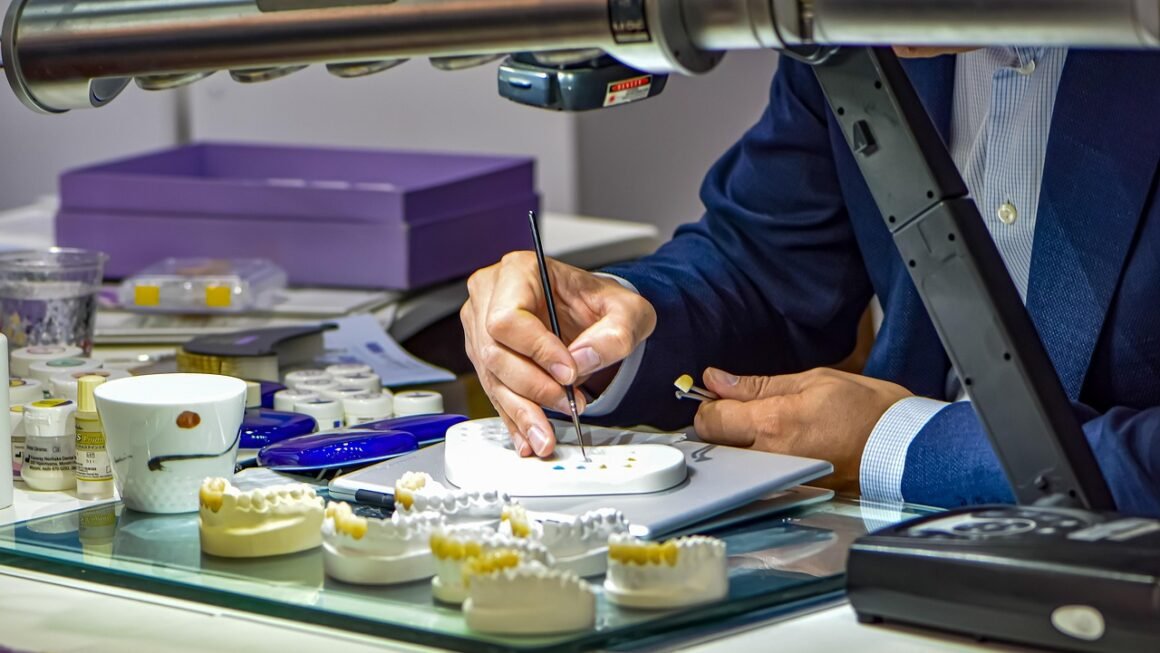
Cosmetic dentistry has evolved far beyond simple teeth whitening. Today, it’s a comprehensive field offering a diverse array of treatments designed to enhance your smile’s aesthetics and boost your overall confidence. From correcting minor imperfections to complete smile makeovers, cosmetic dentistry can transform your appearance and improve your quality of life. Let’s dive into the details of this exciting area of dental care.
Understanding Cosmetic Dentistry
Cosmetic dentistry focuses on improving the appearance of your teeth, gums, and bite. Unlike general dentistry, which primarily addresses oral health issues, cosmetic dentistry aims to enhance aesthetics through various procedures. This field combines artistry and science to create beautiful, natural-looking smiles.
The Scope of Cosmetic Dentistry
- Cosmetic dentistry encompasses a wide range of procedures, including:
Teeth whitening
Veneers
Dental implants
Invisalign (clear aligners)
Dental bonding
Gum contouring
Smile makeovers
- It’s important to consult with a qualified cosmetic dentist to determine the most suitable treatment plan for your specific needs and desired outcome.
Benefits of Cosmetic Dentistry
- Improved Self-Esteem: A confident smile can significantly boost your self-esteem and confidence.
- Enhanced Appearance: Correcting imperfections such as chipped, stained, or misaligned teeth can dramatically improve your overall appearance.
- Long-Lasting Results: Many cosmetic dental treatments offer long-lasting results, providing a worthwhile investment in your smile.
- Improved Oral Health: Some cosmetic procedures, such as dental implants, can also improve oral health by restoring proper bite and preventing bone loss.
- Better Quality of Life: A beautiful and healthy smile can positively impact your social and professional life.
Popular Cosmetic Dentistry Procedures
Cosmetic dentistry offers a variety of procedures tailored to different needs and preferences. Understanding these options is the first step in achieving your ideal smile.
Teeth Whitening
- Teeth whitening is one of the most popular cosmetic dentistry procedures, designed to remove stains and discoloration from teeth.
- Types of Whitening:
In-office whitening: Performed by a dentist, providing faster and more dramatic results. Typically uses high concentrations of hydrogen peroxide or carbamide peroxide activated by a special light.
At-home whitening kits: Provided by your dentist, these kits include custom-fitted trays and professional-strength whitening gel.
Over-the-counter whitening products: Available in various forms, such as whitening strips, toothpaste, and mouthwashes. These offer less potent results.
- Example: A patient with teeth stained from coffee and tea opts for in-office whitening. After a single session, their teeth are several shades brighter, resulting in a noticeable improvement in their smile.
- Tip: Avoid consuming staining substances like coffee, tea, and red wine after whitening to maintain the results.
Veneers
- Veneers are thin, custom-made shells typically made of porcelain that are bonded to the front surface of teeth.
- Uses:
Correcting chipped, cracked, or discolored teeth.
Closing gaps between teeth.
Reshaping teeth.
Creating a uniform and aesthetically pleasing smile.
- Types:
Porcelain veneers: Offer a natural appearance and are highly durable.
Composite veneers: Less expensive but may not be as long-lasting as porcelain veneers.
- Example: A patient with severely stained teeth that don’t respond to whitening chooses porcelain veneers. The veneers completely cover the stains, creating a bright, white smile.
- Tip: Proper oral hygiene and regular dental check-ups are crucial to maintain the longevity of veneers.
Dental Implants
- Dental implants are artificial tooth roots, usually made of titanium, that are surgically placed into the jawbone to support a replacement tooth or bridge.
- Benefits:
Permanent solution for missing teeth.
Restores functionality and aesthetics.
Prevents bone loss.
Improves speech and chewing ability.
- Process:
Assessment and planning, including X-rays and CT scans.
Implant placement surgery.
Osseointegration (the process where the implant fuses with the bone).
Abutment placement (a connector that attaches the crown to the implant).
Crown placement.
- Example: A patient who lost a tooth due to injury opts for a dental implant. The implant provides a stable foundation for a crown, restoring their smile and preventing shifting of adjacent teeth.
- Tip: Follow your dentist’s post-operative instructions carefully to ensure proper healing and successful osseointegration.
Invisalign (Clear Aligners)
- Invisalign is a popular orthodontic treatment that uses clear, removable aligners to gradually straighten teeth.
- Advantages:
Virtually invisible.
Removable for eating, brushing, and flossing.
More comfortable than traditional braces.
Custom-made for each patient.
- Process:
Initial consultation and evaluation.
Creation of a 3D treatment plan.
Wearing a series of aligners, each for about two weeks.
* Regular check-ups with the dentist.
- Example: A patient with mild to moderate teeth misalignment chooses Invisalign to straighten their teeth discreetly. Over the course of several months, their teeth gradually shift into the correct position, resulting in a straighter smile.
- Tip: Wear your aligners for at least 20-22 hours per day for optimal results.
Choosing the Right Cosmetic Dentist
Selecting a qualified and experienced cosmetic dentist is crucial for achieving successful and satisfying results. Here’s what to look for:
Credentials and Experience
- Verify the dentist’s credentials, including their education, certifications, and licenses.
- Look for dentists who have completed advanced training in cosmetic dentistry.
- Consider the dentist’s experience in performing the specific procedures you are interested in.
Portfolio and Before-and-After Photos
- Review the dentist’s portfolio of before-and-after photos to assess their aesthetic skills and treatment outcomes.
- Look for examples of cases similar to your own to get an idea of what the dentist can achieve.
Consultation and Communication
- Schedule a consultation with the dentist to discuss your goals, concerns, and treatment options.
- Choose a dentist who listens to your needs, explains the procedures clearly, and provides realistic expectations.
- Ensure that you feel comfortable and confident with the dentist’s communication style and approach.
Technology and Techniques
- Inquire about the technology and techniques used in the dentist’s practice.
- Modern cosmetic dentistry utilizes advanced technologies such as digital imaging, 3D printing, and CAD/CAM dentistry to enhance precision and efficiency.
- A dentist who stays up-to-date with the latest advancements is more likely to deliver optimal results.
The Cost of Cosmetic Dentistry
The cost of cosmetic dentistry varies depending on the specific procedure, the dentist’s fees, and the location of the practice.
Factors Affecting Cost
- Procedure Type: More complex procedures, such as dental implants or full smile makeovers, typically cost more than simpler procedures like teeth whitening or dental bonding.
- Materials Used: The cost of materials, such as porcelain veneers or zirconia crowns, can significantly impact the overall cost.
- Dentist’s Experience: Highly experienced and sought-after cosmetic dentists may charge higher fees.
- Geographic Location: Cosmetic dentistry prices can vary depending on the cost of living in the area.
Payment Options and Financing
- Dental Insurance: While many cosmetic procedures are not covered by dental insurance, some plans may cover a portion of the cost if the procedure is deemed medically necessary.
- Financing Plans: Many cosmetic dental practices offer financing options to help patients manage the cost of treatment.
- Payment Plans: Some dentists offer in-house payment plans, allowing patients to pay for treatment in installments.
Example Cost Range (Note: These are estimates and can vary greatly)
- Teeth Whitening: $300 – $1000
- Veneers (per tooth): $800 – $2500
- Dental Implant (per tooth): $3000 – $5000
- Invisalign: $3000 – $8000
It’s always recommended to get a detailed cost estimate from your chosen dentist before proceeding with any cosmetic dental treatment.
Maintaining Your Cosmetic Dentistry Results
Proper care and maintenance are essential for preserving the longevity and beauty of your cosmetic dental work.
Oral Hygiene Practices
- Brush your teeth at least twice a day with fluoride toothpaste.
- Floss daily to remove plaque and debris from between teeth.
- Use an antimicrobial mouthwash to kill bacteria and freshen breath.
- Consider using a soft-bristled toothbrush to avoid scratching or damaging veneers or crowns.
Regular Dental Check-Ups
- Schedule regular dental check-ups and cleanings every six months.
- Your dentist can monitor the condition of your cosmetic dental work and address any potential issues early on.
Lifestyle Considerations
- Avoid habits that can damage or stain your teeth, such as smoking, chewing tobacco, and excessive consumption of coffee, tea, and red wine.
- Wear a mouthguard when participating in sports or other activities that could potentially injure your teeth.
- Avoid using your teeth as tools to open packages or bite on hard objects.
Conclusion
Cosmetic dentistry offers a powerful way to transform your smile and boost your confidence. By understanding the various procedures, choosing the right dentist, and maintaining proper oral hygiene, you can achieve a beautiful, healthy smile that lasts a lifetime. Remember to consult with a qualified cosmetic dentist to discuss your specific needs and goals and develop a personalized treatment plan. Invest in your smile – it’s an investment in yourself!