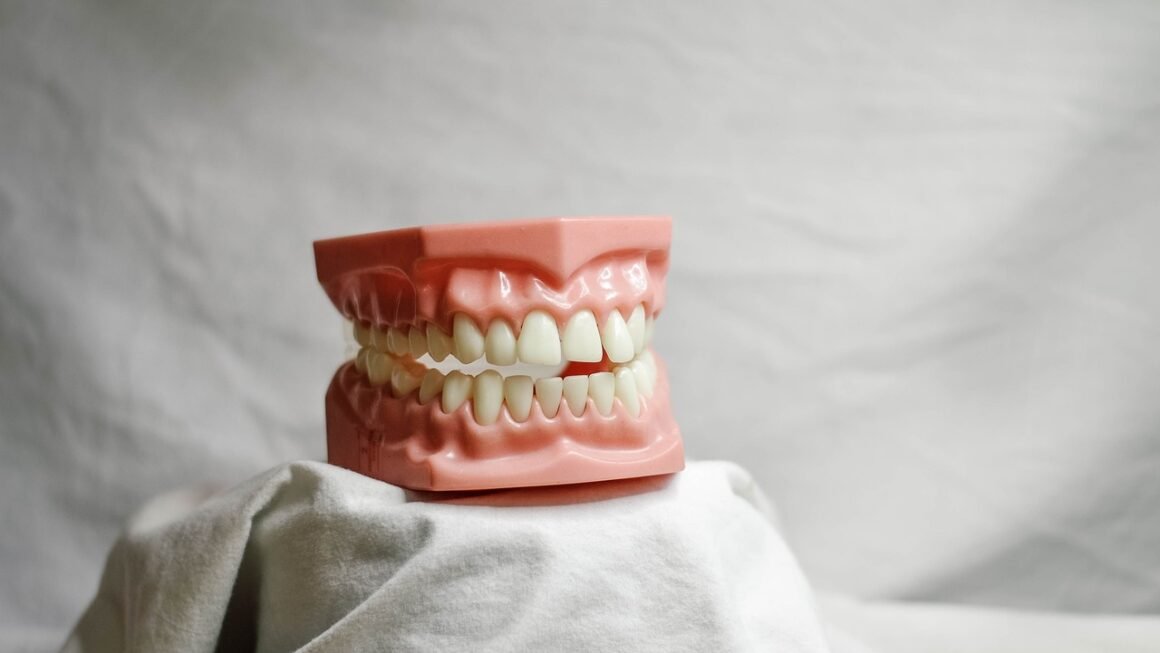
Oral hygiene is a cornerstone of overall health, and while brushing often takes center stage, flossing plays a vital, often underestimated, role. But did you know that not all dental floss is created equal? From waxed to unwaxed, tape to interdental brushes, the world of floss is surprisingly diverse. Choosing the right type of floss can significantly improve your flossing effectiveness and, ultimately, your dental health. Let’s dive into the different types of dental floss and help you find the perfect fit for your needs.
Understanding Dental Floss: A Comprehensive Guide
Why Floss Matters
Flossing is crucial because it removes plaque and food particles from areas that your toothbrush simply can’t reach, specifically between your teeth and under the gumline. Neglecting these areas can lead to:
- Cavities: Plaque contains bacteria that produce acids, eroding tooth enamel.
- Gum Disease (Gingivitis and Periodontitis): Inflammation and infection of the gums, which can lead to tooth loss.
- Bad Breath (Halitosis): Trapped food particles contribute to unpleasant odors.
According to the American Dental Association (ADA), flossing once a day can significantly reduce the risk of these problems. So, incorporating flossing into your daily routine is essential for maintaining a healthy smile.
Types of Dental Floss
The dental floss market offers a variety of options, each with its own set of characteristics and benefits. Understanding these differences is key to making an informed choice.
Waxed vs. Unwaxed Floss
Waxed Floss
Waxed floss is coated with a thin layer of wax, typically made of beeswax or synthetic wax. This coating offers several advantages:
- Easier to Grip: The wax provides a better grip, making it easier to maneuver the floss.
- Slides Easily: The wax coating helps the floss glide smoothly between teeth, even in tight spaces.
- Less Likely to Shred: The wax can help the floss resist shredding or breaking, especially between closely spaced teeth or those with rough edges.
Example: If you have crowded teeth or restorations (like fillings or crowns) with slightly rough edges, waxed floss can be a better choice because it’s less likely to snag or break.
Unwaxed Floss
Unwaxed floss is exactly what it sounds like – floss without any wax coating. It offers different benefits:
- Thinner: Unwaxed floss is generally thinner than waxed floss, making it suitable for very tight spaces.
- May Feel “Cleaner”: Some people prefer the feeling of unwaxed floss against their teeth, believing it provides a more thorough cleaning sensation.
- More Likely to Shred: Unwaxed floss is more prone to shredding or breaking, particularly if you have tightly spaced teeth or rough edges.
Example: If you have very tight contacts between your teeth, unwaxed floss might be the only option that fits comfortably.
Floss Material Types
Nylon (Multifilament) Floss
Nylon floss is a common type made from multiple strands of nylon fibers. Key characteristics include:
- Affordable: Generally less expensive than other floss types.
- Available in Waxed and Unwaxed: Offers versatility to suit different preferences.
- Potential for Shredding: The multiple strands can sometimes separate and shred, especially with tight contacts or rough edges.
Tip: If you find nylon floss shredding, try a different brand or type to see if it improves the experience. Many brands use improved binding techniques.
PTFE (Monofilament) Floss
PTFE (Polytetrafluoroethylene) floss, often referred to as Teflon floss, is made from a single strand of material. This offers several advantages:
- Shred-Resistant: Less likely to shred or break compared to nylon floss.
- Slides Easily: Similar to waxed floss, it glides smoothly between teeth.
- More Expensive: Typically costs more than nylon floss.
Example: If you struggle with floss shredding frequently, PTFE floss might be a worthwhile investment.
Specialized Floss Options
Dental Tape
Dental tape is a broader, flatter version of floss. It comes in waxed and unwaxed varieties and is often preferred for:
- Wider Spaces: Ideal for individuals with larger gaps between their teeth.
- More Comfortable Grip: The wider surface area can be easier to hold and maneuver.
- Gentle on Gums: The flat surface can be less irritating to sensitive gums.
Tip: Dental tape can be a good option for those with receding gums or larger spaces where standard floss might feel too thin.
Floss Picks
Floss picks are small, disposable tools that consist of a handle with a piece of floss stretched between two prongs. They offer convenience but may not be as effective as traditional flossing.
- Convenient: Easy to use and carry, making them ideal for on-the-go flossing.
- Less Control: Limited maneuverability compared to using floss wrapped around your fingers.
- Environmental Impact: Disposable nature contributes to plastic waste.
Example: Floss picks are great for quick flossing after meals when you’re away from home, but shouldn’t replace your regular nightly flossing routine.
Interdental Brushes
Interdental brushes are small, bristled brushes designed to clean between teeth. They are particularly useful for:
- Wider Spaces: Effective for cleaning larger gaps between teeth, such as those caused by gum recession.
- Around Braces: Excellent for cleaning around orthodontic appliances.
- Gum Disease: Helps remove plaque and debris from periodontal pockets.
Recommendation: Your dentist or hygienist can recommend the appropriate size and type of interdental brush for your specific needs.
Flavored Floss
While not directly impacting cleaning effectiveness, flavored floss can make the flossing experience more enjoyable. Common flavors include:
- Mint: The most popular and widely available flavor.
- Cinnamon: Offers a warm, spicy alternative to mint.
- Fruit Flavors: Appealing to children and those who dislike mint.
Personal Preference: Ultimately, the best flavor is the one that motivates you to floss regularly.
Conclusion
Choosing the right type of dental floss is a personal decision based on your individual needs and preferences. By understanding the different types of floss available – waxed vs. unwaxed, nylon vs. PTFE, dental tape, and interdental brushes – you can make an informed choice that promotes optimal oral health. Remember to floss at least once a day and consult with your dentist or hygienist for personalized recommendations. A consistent flossing routine, combined with regular brushing and dental check-ups, is the key to a healthy and confident smile.