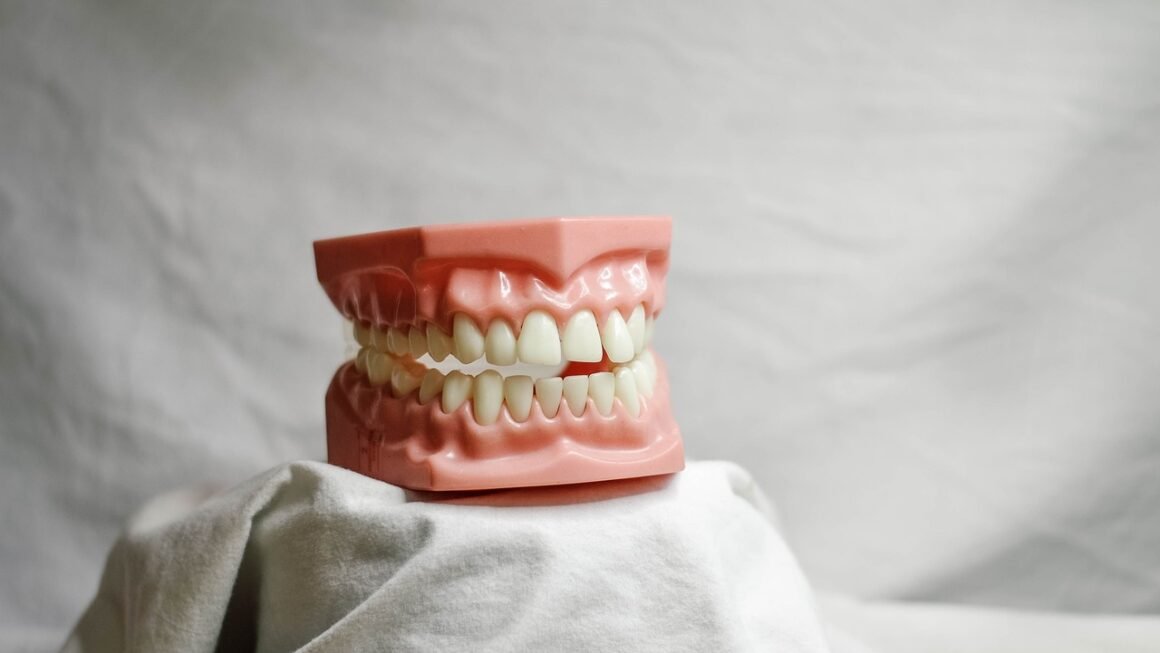
Dental floss: it’s a small string that packs a powerful punch when it comes to oral hygiene. But with so many options lining the shelves, choosing the right type of floss can feel overwhelming. From waxed to unwaxed, flavored to unflavored, and even specialized options for braces, understanding the differences can help you make an informed decision and improve your overall dental health. This comprehensive guide will explore the various types of dental floss available and help you choose the perfect one for your needs.
Understanding the Basics of Dental Floss
What is Dental Floss and Why is it Important?
Dental floss is a thin thread used to clean between teeth and under the gumline, areas a toothbrush can’t reach. Its primary purpose is to remove plaque and food particles that accumulate in these hard-to-reach spots.
The importance of flossing is backed by solid evidence. Plaque buildup can lead to:
- Gingivitis (gum inflammation)
- Periodontitis (advanced gum disease)
- Cavities
- Bad breath
Regular flossing, ideally once a day, is crucial for maintaining healthy gums and preventing dental problems. Studies show that people who floss regularly have significantly lower risks of gum disease and tooth decay.
Waxed vs. Unwaxed Dental Floss
One of the first distinctions you’ll encounter is between waxed and unwaxed floss.
- Waxed Floss: Coated with wax, typically paraffin or beeswax.
Pros: Slides more easily between tight teeth, less likely to shred or break, can be more comfortable for sensitive gums.
Cons: The wax coating might slightly reduce its ability to grip plaque effectively.
- Unwaxed Floss: Consists of nylon strands without a wax coating.
Pros: Thinner and can fit into very tight spaces, better at gripping and removing plaque directly from tooth surfaces.
Cons: Can be more prone to shredding, especially between teeth with rough edges or tight contacts.
Example: If you have very tight teeth, waxed floss might be a better starting point as it is easier to maneuver without causing irritation. However, if your teeth have wider gaps, unwaxed floss can provide a more thorough cleaning.
Specialized Floss Types
Dental Tape
Dental tape is a wider, flatter version of floss, resembling a ribbon. It comes in waxed and unwaxed varieties.
- Pros: More comfortable for people with larger spaces between their teeth, less likely to cut into gums, covers a larger surface area.
- Cons: Might be too bulky for very tight teeth, can be more expensive than standard floss.
Example: Someone with receding gums or wider spaces between teeth might find dental tape more effective and comfortable than standard floss.
PTFE (Teflon) Floss
Polytetrafluoroethylene (PTFE) floss, often marketed under brand names like Glide, is made from a synthetic material known for its exceptional strength and ability to slide smoothly.
- Pros: Extremely resistant to shredding, glides effortlessly even between very tight teeth, comfortable for sensitive gums.
- Cons: Typically more expensive than other types of floss, some individuals may prefer natural materials.
Example: If you’ve struggled with floss breaking or shredding in the past, PTFE floss is an excellent option due to its superior durability.
Interdental Brushes
While not technically floss, interdental brushes (also known as proxabrushes) are a great alternative for cleaning between teeth, especially if you have larger gaps or wear braces.
- Pros: Highly effective at removing plaque and food particles from larger interdental spaces, ideal for cleaning around braces, come in various sizes to fit different gaps.
- Cons: May not be suitable for very tight teeth, requires careful technique to avoid gum injury, can be more expensive than floss.
Example: Individuals with periodontal disease or those wearing braces often find interdental brushes more effective at cleaning than traditional floss.
Floss for Braces and Orthodontic Appliances
Orthodontic Floss Threaders
Flossing with braces requires special tools and techniques. Floss threaders are essential for threading floss under wires and around brackets.
- How they work: A floss threader is a small, flexible loop that helps guide the floss behind the archwire of braces.
- Pros: Allows you to floss effectively even with braces, helps maintain good oral hygiene and prevent cavities and gum disease during orthodontic treatment.
- Cons: Requires more time and effort, can be challenging to use initially.
Example: Using a floss threader daily while wearing braces significantly reduces the risk of developing white spots (decalcification) around the brackets.
Specialized Floss for Braces
Some floss products are specifically designed for use with braces, such as pre-cut floss with a built-in threader.
- Features: Often waxed for easier gliding, pre-cut to a convenient length, some have a spongy texture for better cleaning around brackets.
- Pros: Convenient and easy to use, saves time and effort, can make flossing with braces more manageable.
- Cons: Can be more expensive than standard floss and threaders.
Flavored and Other Unique Floss Options
Flavored Floss
Flavored floss can make flossing a more enjoyable experience, especially for children or individuals who find the taste of plain floss unpleasant.
- Popular flavors: Mint, cinnamon, fruit, bubblegum
- Pros: Can encourage more frequent flossing, freshens breath.
- Cons: May contain artificial sweeteners or flavors, some individuals may be sensitive to certain flavorings.
Charcoal Floss
Charcoal floss is a relatively new option infused with activated charcoal, which is known for its adsorptive properties.
- Claimed benefits: May help remove surface stains, freshen breath, and potentially remove more plaque.
- Evidence: Limited scientific evidence to support all claims, but charcoal floss can be effective as a regular floss.
- Pros: Aesthetically pleasing (usually black), may offer additional stain-removal benefits.
- Cons: Can be more expensive than other floss types, the evidence for additional benefits is not conclusive.
Conclusion
Choosing the right type of dental floss depends on your individual needs and preferences. Consider factors such as the tightness of your teeth, sensitivity of your gums, and whether you have braces or other dental appliances. Experiment with different types until you find one that you find comfortable and effective to use regularly. Remember that consistent flossing, combined with regular brushing and dental check-ups, is essential for maintaining optimal oral health and a bright, healthy smile. If you are unsure which floss is best for you, consult your dentist or dental hygienist for personalized recommendations.