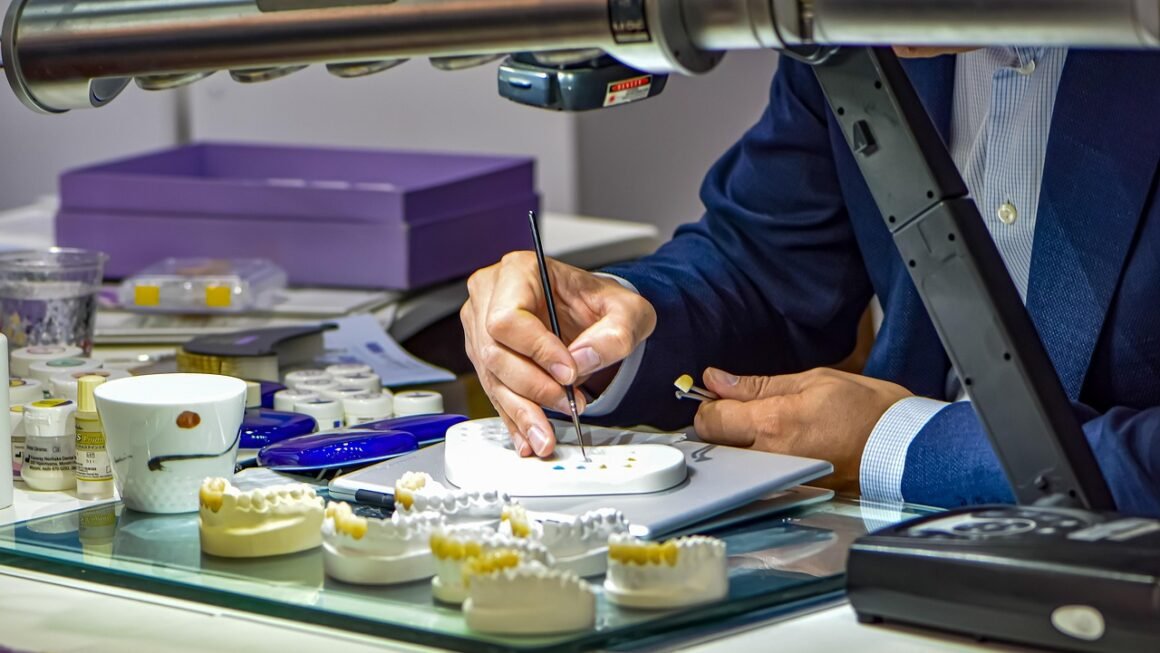
Teeth bleaching, also known as teeth whitening, is one of the most popular cosmetic dental procedures worldwide. A brighter, whiter smile can significantly boost your confidence and overall appearance. Whether you’re prepping for a special occasion or simply want to reverse the effects of staining foods and beverages, understanding the ins and outs of teeth bleaching is crucial for achieving safe and effective results. This comprehensive guide will walk you through everything you need to know, from different types of bleaching methods to maintaining your pearly whites long-term.
Understanding Teeth Staining and Discoloration
Types of Stains
Not all teeth stains are created equal. Understanding the type of stain you have is the first step in choosing the right whitening method. Stains are generally categorized into two types:
- Extrinsic Stains: These occur on the surface of the tooth enamel. Common culprits include coffee, tea, red wine, and tobacco. Extrinsic stains are usually easier to remove with over-the-counter whitening products or professional cleaning.
- Intrinsic Stains: These stains penetrate deeper into the tooth structure, making them more difficult to remove. They can be caused by factors like aging, certain medications (e.g., tetracycline), trauma, or excessive fluoride exposure during tooth development. Intrinsic stains often require professional bleaching treatments for noticeable improvement.
Causes of Discoloration
Knowing the causes of teeth discoloration can help you prevent future staining:
- Dietary Habits: Regularly consuming staining foods and beverages like coffee, tea, red wine, berries, and dark sauces can contribute to extrinsic stains.
- Poor Oral Hygiene: Inadequate brushing and flossing can lead to plaque buildup, which attracts stains.
- Tobacco Use: Smoking or chewing tobacco is a major cause of both extrinsic and intrinsic staining.
- Aging: As we age, the enamel thins, revealing the underlying dentin, which is naturally yellow.
- Medications: Certain medications, such as tetracycline antibiotics, can cause permanent intrinsic staining, especially when taken during childhood.
- Trauma: A blow to the mouth can damage the tooth and cause discoloration.
Types of Teeth Bleaching Methods
There are several ways to achieve a whiter smile, each with its own advantages and disadvantages.
In-Office Bleaching
This is the most effective and quickest method for whitening teeth. A dental professional applies a high concentration of bleaching gel (usually hydrogen peroxide) to your teeth, often activated by a special light or laser.
- Benefits: Dramatic results in a single visit, controlled environment, professional supervision.
- Process: The dentist will protect your gums and soft tissues before applying the bleaching agent. The gel is left on for a specific period, and the process may be repeated several times during the appointment.
- Example: A patient with significant staining from coffee and tea opts for in-office bleaching and sees a noticeable improvement of several shades whiter in just one hour.
At-Home Bleaching Trays (Prescribed by a Dentist)
Your dentist takes impressions of your teeth to create custom-fitted trays. You receive a bleaching gel with a lower concentration of hydrogen peroxide or carbamide peroxide and wear the trays for a specific period each day or night.
- Benefits: More affordable than in-office bleaching, custom fit trays for optimal results, can be done in the comfort of your home.
- Process: You will receive detailed instructions from your dentist on how long to wear the trays and how much gel to use. Typically, you’ll wear the trays for 30 minutes to an hour each day for a few weeks.
- Example: A patient prefers at-home bleaching due to sensitivity concerns. The dentist provides a lower-concentration gel and custom trays, allowing for a gradual and comfortable whitening process.
Over-the-Counter Whitening Products
A variety of over-the-counter options are available, including whitening strips, gels, toothpaste, and mouthwashes. These products typically contain a lower concentration of bleaching agents than professional treatments.
- Benefits: Most affordable option, readily available.
- Drawbacks: Less effective than professional treatments, may cause sensitivity, one-size-fits-all approach can lead to uneven results.
- Example: A person with minor surface stains from occasional coffee consumption uses whitening strips for a week and notices a slight improvement in the brightness of their smile.
The Teeth Bleaching Process: What to Expect
Consultation and Examination
Before undergoing any bleaching treatment, it’s essential to consult with your dentist. They will:
- Evaluate your oral health: Check for any cavities, gum disease, or other dental issues that need to be addressed before bleaching.
- Assess the type and severity of your stains: Determine the best bleaching method for your specific needs.
- Discuss your expectations and desired results: Ensure that you have realistic expectations about the outcome of the treatment.
During the Bleaching Procedure
The procedure will vary depending on the method chosen:
- In-Office Bleaching: The dentist will protect your gums and soft tissues before applying the bleaching gel. The gel is left on for a specific period, often activated by a special light.
- At-Home Bleaching Trays: You will follow your dentist’s instructions on how to apply the gel to the trays and how long to wear them each day.
- Over-the-Counter Products: Follow the instructions on the product packaging carefully.
Potential Side Effects
While teeth bleaching is generally safe, some potential side effects include:
- Tooth Sensitivity: This is the most common side effect. It usually subsides within a few days after treatment. Using toothpaste for sensitive teeth can help.
- Gum Irritation: This can occur if the bleaching gel comes into contact with your gums. Make sure to follow your dentist’s instructions carefully to avoid this.
- Uneven Whitening: This can occur if you have fillings, crowns, or other dental restorations. These materials do not respond to bleaching agents.
Maintaining Your Bright Smile
Oral Hygiene Practices
Good oral hygiene is crucial for maintaining your teeth whitening results.
- Brush your teeth at least twice a day: Use a soft-bristled toothbrush and fluoride toothpaste.
- Floss daily: Remove plaque and food particles from between your teeth.
- Use a whitening toothpaste: These toothpastes can help remove surface stains and keep your teeth looking bright.
Diet and Lifestyle Choices
Making mindful dietary and lifestyle choices can help prevent future staining:
- Limit staining foods and beverages: Reduce your consumption of coffee, tea, red wine, and dark sauces.
- Rinse your mouth after consuming staining substances: This can help prevent stains from setting in.
- Avoid tobacco use: Smoking and chewing tobacco are major causes of teeth staining.
Regular Dental Check-ups
Schedule regular dental check-ups and cleanings to maintain your oral health and keep your smile looking its best. Your dentist can remove surface stains and provide personalized recommendations for maintaining your teeth whitening results.
Conclusion
Teeth bleaching is a safe and effective way to enhance your smile and boost your confidence. By understanding the different types of stains, bleaching methods, and maintenance practices, you can achieve and maintain a brighter, whiter smile. Consulting with your dentist is always the best first step to ensure a safe and effective whitening experience. Remember to maintain good oral hygiene habits and make mindful dietary and lifestyle choices to prolong your results.