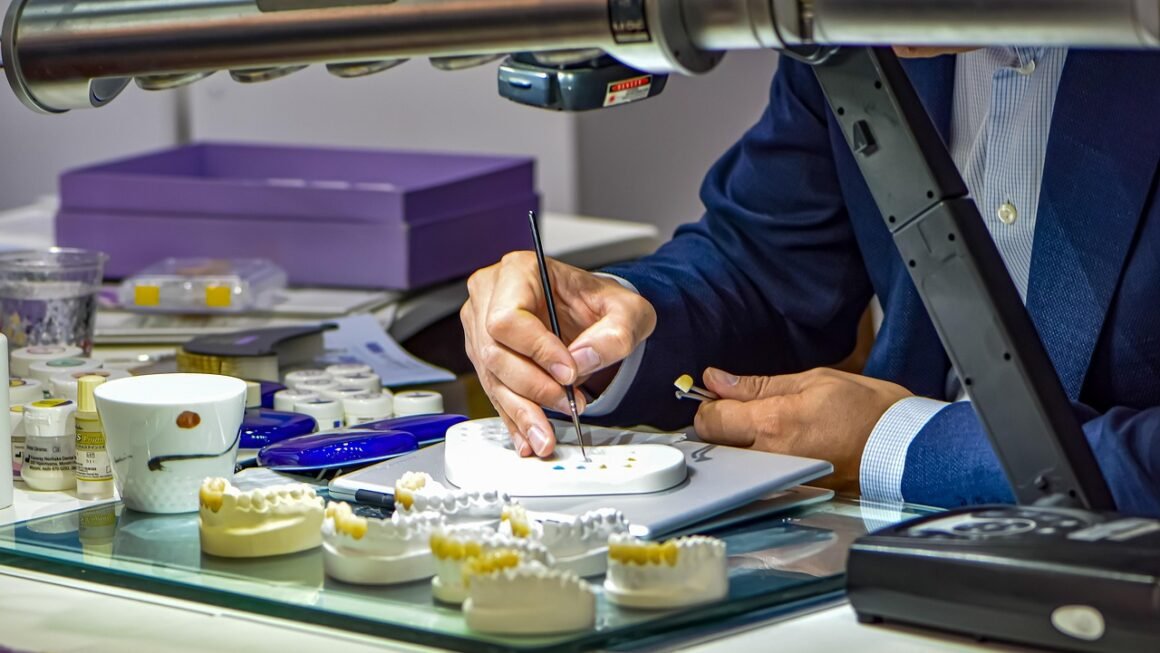
Achieving a brighter, whiter smile is a common aspiration. A dazzling smile not only boosts confidence but can also significantly impact first impressions. With numerous teeth whitening options available, navigating the landscape to find the best method for your individual needs can feel overwhelming. This comprehensive guide will explore various techniques for teeth whitening, from professional treatments to at-home remedies, providing you with the knowledge to make informed decisions and achieve the radiant smile you desire.
Understanding Teeth Discoloration
Types of Stains
Before exploring whitening options, it’s crucial to understand the different types of tooth stains. This will help determine the most effective treatment.
- Extrinsic Stains: These stains occur on the surface of the teeth and are typically caused by:
- Foods and drinks like coffee, tea, red wine, and berries.
- Tobacco use (smoking or chewing).
- Poor oral hygiene.
- Intrinsic Stains: These stains are within the tooth structure and are more challenging to remove. They can be caused by:
- Certain medications (e.g., tetracycline antibiotics).
- Dental fluorosis (excessive fluoride exposure during tooth development).
- Trauma to the teeth.
- Aging.
Factors Contributing to Discoloration
Several factors contribute to teeth discoloration. Being aware of these can help you prevent further staining and maintain a brighter smile.
- Diet: Highly pigmented foods and beverages are major culprits.
- Age: Enamel naturally thins with age, revealing the yellowish dentin underneath.
- Genetics: Tooth enamel thickness and color are partially determined by genetics.
- Oral Hygiene: Inadequate brushing and flossing allow plaque and stain-causing substances to accumulate.
- Medical Conditions and Treatments: Certain medical conditions and cancer treatments can impact tooth color.
Professional Teeth Whitening Options
In-Office Whitening
Professional in-office whitening offers the most dramatic and immediate results. Dentists use high concentrations of hydrogen peroxide or carbamide peroxide, often activated by a special light or laser.
- Procedure: The dentist applies a protective barrier to your gums and soft tissues before applying the whitening gel to your teeth. The gel is left on for a specific time, then rinsed off. This process may be repeated several times in a single session.
- Benefits:
- Fastest results (often noticeable within one appointment).
- Supervised by a dental professional, ensuring safety and effectiveness.
- Customized treatment based on individual needs and sensitivity.
- Cost: Generally more expensive than at-home options, ranging from $300 to $1000 per treatment.
Example: A patient with significant staining from coffee and tea consumption might see a noticeable improvement of several shades whiter after a single in-office treatment.
Take-Home Whitening Kits (From Your Dentist)
Dentists also offer customized take-home whitening kits that provide professional-strength results at your convenience.
- Procedure: The dentist takes impressions of your teeth to create custom-fitted trays. You’ll receive the trays and whitening gel, along with instructions on how long to wear them each day (usually 30 minutes to a few hours) and for how many days (typically 1-2 weeks).
- Benefits:
- Custom-fitted trays ensure optimal gel contact with teeth.
- Higher concentration of whitening agents compared to over-the-counter options.
- Supervised by a dental professional, who can address any concerns.
- Cost: Less expensive than in-office whitening, typically ranging from $200 to $600.
Example: Someone who wants gradual whitening with professional-grade materials but prefers the convenience of home treatment might opt for this option.
At-Home Teeth Whitening Methods
Over-the-Counter Whitening Strips
Whitening strips are thin, flexible plastic strips coated with a peroxide-based whitening gel. They are a popular and affordable option.
- Procedure: Apply the strips to your upper and lower teeth, following the instructions on the package. Typically, you wear them for 30 minutes to an hour, once or twice a day, for several weeks.
- Benefits:
- Affordable and readily available.
- Easy to use.
- Can provide noticeable results with consistent use.
- Drawbacks:
- May cause tooth sensitivity.
- Results are typically less dramatic than professional treatments.
- Strips may not fit all teeth perfectly, leading to uneven whitening.
Example: A person with mild surface stains and a limited budget may find whitening strips to be a suitable option.
Whitening Toothpastes and Mouthwashes
Whitening toothpastes and mouthwashes contain mild abrasives or chemicals that help remove surface stains.
- Procedure: Use whitening toothpaste as part of your regular oral hygiene routine. Rinse with whitening mouthwash as directed.
- Benefits:
- Convenient and easy to incorporate into daily routine.
- Helps maintain whiteness after professional treatments.
- Drawbacks:
- Limited whitening effect, mainly removes surface stains.
- May cause tooth sensitivity in some individuals.
Example: These products are best used for maintaining whiteness after more intensive whitening treatments, or for individuals with minimal staining.
Natural Remedies (Proceed with Caution)
Some natural remedies are suggested for teeth whitening, but it’s essential to approach them with caution and consult your dentist before trying them.
- Baking Soda: A mild abrasive that can help remove surface stains. However, excessive use can damage enamel.
- Activated Charcoal: A porous substance that claims to absorb stains. While it may remove some surface stains, it’s abrasive and can damage enamel over time.
- Oil Pulling: Swishing oil (e.g., coconut oil) in your mouth. There’s limited scientific evidence to support its whitening effects.
- Fruit Acids (Lemon, Strawberries): These are highly acidic and can erode tooth enamel, leading to sensitivity and damage. Avoid prolonged or frequent use.
Important: Consult your dentist before using any natural remedies for teeth whitening. Many can be abrasive or acidic and can damage your teeth.
Managing Tooth Sensitivity and Maintaining Results
Addressing Sensitivity
Tooth sensitivity is a common side effect of teeth whitening. Here’s how to manage it:
- Use desensitizing toothpaste: These toothpastes contain ingredients like potassium nitrate that help block pain signals to the nerves.
- Reduce frequency or duration of whitening treatments: Give your teeth a break between treatments.
- Use fluoride treatments: Fluoride can help strengthen enamel and reduce sensitivity.
- Talk to your dentist: They can recommend prescription-strength fluoride or other treatments to manage sensitivity.
Maintaining a Brighter Smile
Once you’ve achieved your desired level of whiteness, follow these tips to maintain your results:
- Practice good oral hygiene: Brush your teeth at least twice a day and floss daily.
- Limit staining foods and beverages: Reduce consumption of coffee, tea, red wine, and other staining substances.
- Use a straw: When drinking staining beverages, use a straw to minimize contact with your teeth.
- Rinse your mouth after consuming staining substances: This helps prevent stains from setting in.
- Consider touch-up treatments: Periodic touch-up treatments (e.g., with whitening strips or custom trays) can help maintain whiteness.
- Regular dental check-ups: Professional cleanings remove plaque and surface stains, helping to keep your smile bright.
Conclusion
Achieving a brighter smile is possible with the numerous teeth whitening options available. By understanding the different types of stains, available treatments, and potential side effects, you can make an informed decision that aligns with your individual needs and budget. Always consult with your dentist before starting any whitening treatment to ensure it’s safe and effective for you. With proper care and maintenance, you can enjoy a radiant, confident smile for years to come.