A radiant, healthy smile isn’t just aesthetically pleasing; it’s a powerful indicator of overall well-being. From boosting your confidence to improving your oral health, a commitment to a healthy smile yields significant long-term benefits. This guide provides a comprehensive look at achieving and maintaining a smile that shines from the inside out.
The Foundation: Oral Hygiene Practices
Brushing Techniques
Proper brushing is the cornerstone of a healthy smile. Insufficient or incorrect brushing can lead to plaque buildup, cavities, and gum disease.
- Frequency: Brush your teeth at least twice a day, ideally after breakfast and before bed.
- Technique: Use a soft-bristled toothbrush and fluoride toothpaste. Hold the brush at a 45-degree angle to your gums and use gentle, circular motions. Avoid scrubbing, as this can damage your enamel and gums.
- Duration: Spend at least two minutes brushing, ensuring you reach all surfaces of each tooth – front, back, and top. A helpful tip is to divide your mouth into quadrants and spend 30 seconds on each.
- Toothbrush Replacement: Replace your toothbrush every three months or sooner if the bristles are frayed.
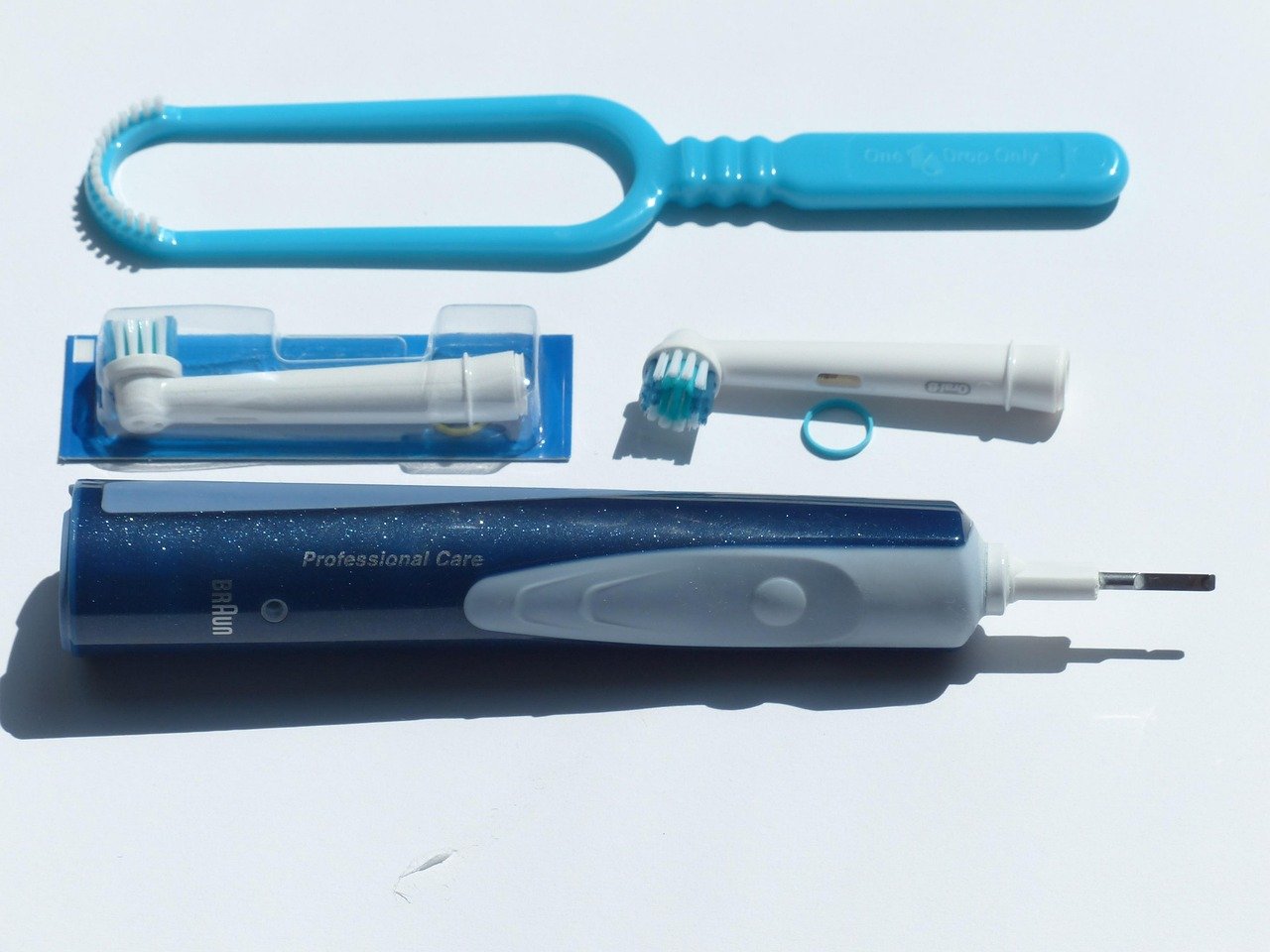
- Electric Toothbrushes: Consider using an electric toothbrush with a built-in timer. These can be more effective at removing plaque and ensuring you brush for the recommended time.
The Importance of Flossing
Flossing removes plaque and food particles from between your teeth and under the gumline, areas your toothbrush can’t reach. It’s a crucial step in preventing gum disease.
- Frequency: Floss at least once a day, preferably before brushing.
- Technique: Use about 18 inches of floss and gently guide it between your teeth using a sawing motion. Curve the floss around each tooth and slide it up and down under the gumline.
- Types of Floss: Experiment with different types of floss (waxed, unwaxed, flavored) to find one you like. Floss picks can also be helpful, especially if you have difficulty with traditional flossing.
- Don’t Skip Back Teeth: Make sure to reach the back molars when flossing. These teeth are prone to cavities.
Mouthwash: An Extra Layer of Protection
Mouthwash can complement brushing and flossing by killing bacteria, reducing plaque, and freshening breath.
- Types of Mouthwash: Choose a mouthwash based on your needs. Fluoride mouthwashes help strengthen enamel, while antiseptic mouthwashes kill bacteria.
- Usage: Rinse with mouthwash for 30 seconds after brushing and flossing. Avoid eating or drinking for at least 30 minutes after rinsing.
- Alcohol-Free Options: Consider using an alcohol-free mouthwash to prevent dry mouth, which can increase the risk of cavities.
Diet’s Impact on a Healthy Smile
What you eat and drink significantly impacts your oral health. Sugary and acidic foods can erode enamel and contribute to cavities.
Foods to Limit or Avoid
- Sugary Drinks: Soda, juice, and sports drinks are high in sugar and can bathe your teeth in acid. Limit consumption or drink through a straw to minimize contact with your teeth.
- Sticky Candies: These adhere to your teeth and provide a breeding ground for bacteria.
- Acidic Foods: Citrus fruits, tomatoes, and vinegar can erode enamel. Rinse your mouth with water after consuming acidic foods.
- Processed Carbohydrates: Chips, crackers, and white bread break down into sugars in your mouth.
Smile-Friendly Foods
- Water: Drinking plenty of water helps rinse away food particles and keeps your mouth hydrated.
- Crunchy Fruits and Vegetables: Apples, carrots, and celery stimulate saliva production, which helps neutralize acids and clean teeth.
- Dairy Products: Milk, cheese, and yogurt are rich in calcium, which strengthens enamel. Yogurt also contains probiotics that can promote healthy gums.
- Lean Protein: Meat, poultry, and fish provide phosphorus, another essential mineral for strong teeth.
- Nuts and Seeds: These contain essential nutrients and stimulate saliva production.
Snacking Habits
Frequent snacking exposes your teeth to acid and sugar throughout the day. Try to limit snacking and choose healthy options. When you do snack, brush or rinse your mouth afterward.
Regular Dental Check-Ups and Professional Cleanings
Even with diligent home care, plaque and tartar can accumulate in hard-to-reach areas. Regular dental visits are essential for professional cleaning and early detection of potential problems.
The Importance of Regular Visits
- Frequency: Schedule dental check-ups and cleanings every six months. Your dentist may recommend more frequent visits if you have specific oral health concerns.
- Comprehensive Examination: Your dentist will examine your teeth, gums, and mouth for signs of decay, gum disease, and other oral health problems.
- Professional Cleaning: A dental hygienist will remove plaque and tartar buildup, preventing cavities and gum disease.
- Early Detection: Regular check-ups allow your dentist to detect problems early, when they are easier and less expensive to treat. For instance, catching a small cavity early prevents the need for a root canal later on.
- Personalized Advice: Your dentist can provide personalized advice on improving your oral hygiene and addressing any specific concerns you may have.
What to Expect During a Dental Visit
- Medical History Review: The dental team will review your medical history and any medications you are taking.
- Oral Examination: The dentist will examine your teeth, gums, and mouth.
- X-rays: X-rays may be taken to detect hidden problems, such as cavities between teeth or bone loss.
- Cleaning: A dental hygienist will remove plaque and tartar.
- Fluoride Treatment: A fluoride treatment may be applied to strengthen enamel.
- Treatment Planning: If any problems are detected, the dentist will discuss treatment options with you.
Addressing Specific Oral Health Concerns
Certain oral health conditions require specific attention and treatment. Recognizing and addressing these concerns is crucial for maintaining a healthy smile.
Gum Disease (Periodontitis)
Gum disease is an infection of the gums that can damage the soft tissue and bone that support your teeth.
- Symptoms: Red, swollen, bleeding gums, persistent bad breath, receding gums, loose teeth.
- Treatment: Scaling and root planing (deep cleaning), antibiotics, surgery in severe cases.
- Prevention: Good oral hygiene, regular dental visits, quitting smoking.
Tooth Decay (Cavities)
Tooth decay is the breakdown of tooth enamel caused by acid produced by bacteria.
- Symptoms: Tooth sensitivity, toothache, visible holes in teeth.
- Treatment: Fillings, root canals, crowns.
- Prevention: Good oral hygiene, fluoride toothpaste, limiting sugary foods and drinks.
Dry Mouth (Xerostomia)
Dry mouth is a condition in which the salivary glands do not produce enough saliva.
- Symptoms: Dry mouth, difficulty swallowing, sore throat, increased risk of cavities.
- Treatment: Drink plenty of water, use sugar-free gum or candies to stimulate saliva production, use artificial saliva products.
- Causes: Medications, medical conditions, radiation therapy.
Teeth Grinding (Bruxism)
Teeth grinding is the clenching or grinding of teeth, often during sleep.
- Symptoms: Headaches, jaw pain, worn-down teeth, chipped teeth.
- Treatment: Mouthguards, stress management, muscle relaxants.
- Causes: Stress, anxiety, sleep disorders.
Halitosis (Bad Breath)
Halitosis, or bad breath, can be caused by a variety of factors, including poor oral hygiene, dry mouth, and certain medical conditions.
- Treatment: Improve oral hygiene, use mouthwash, drink plenty of water, see a dentist to rule out underlying medical conditions.
Cosmetic Dentistry: Enhancing Your Smile
While maintaining good oral health is paramount, cosmetic dentistry offers options to enhance the aesthetics of your smile.
Teeth Whitening
Teeth whitening can remove stains and brighten your smile.
- Types of Whitening: Professional in-office whitening, take-home whitening kits, over-the-counter whitening products.
- Considerations: Sensitivity, effectiveness, cost. It is important to consult with your dentist before undergoing teeth whitening treatment.
Veneers
Veneers are thin shells that are bonded to the front of your teeth to improve their appearance.
- Benefits: Corrects chipped, cracked, or discolored teeth, closes gaps between teeth.
- Considerations: Cost, irreversibility.
Invisalign and Braces
Orthodontic treatments can straighten teeth and improve your bite.
- Benefits: Corrects misaligned teeth, improves oral health, enhances appearance.
- Considerations: Cost, treatment duration.
Conclusion
Maintaining a healthy smile requires a combination of good oral hygiene practices, a balanced diet, regular dental visits, and addressing any specific oral health concerns. By following these guidelines, you can achieve a smile that is not only beautiful but also indicative of overall well-being. Remember to consult with your dentist for personalized advice and treatment options to ensure the best possible care for your teeth and gums. Your commitment to a healthy smile is an investment in your long-term health and confidence.