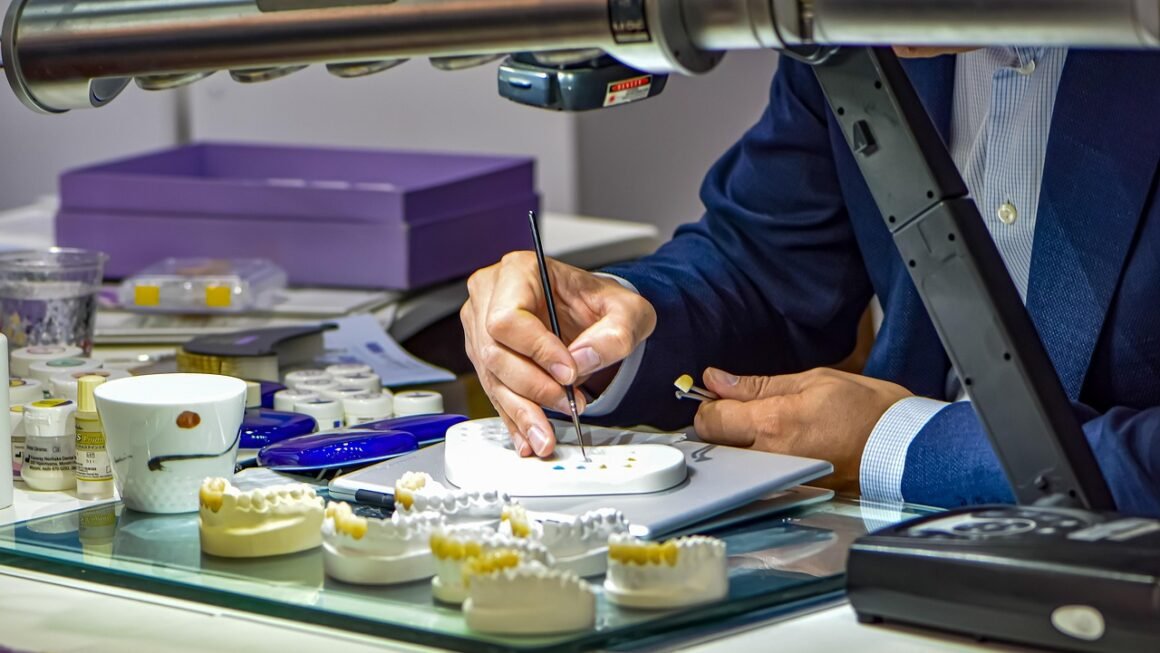
A dazzling, bright smile can significantly impact your confidence and how others perceive you. Unfortunately, factors like coffee, tea, red wine, and even aging can lead to tooth discoloration. Thankfully, teeth bleaching offers a safe and effective way to reverse these effects and achieve a whiter, more radiant smile. This comprehensive guide explores everything you need to know about teeth bleaching, from the different methods available to the potential risks and benefits.
Understanding Teeth Bleaching
What is Teeth Bleaching?
Teeth bleaching, also known as teeth whitening, is a cosmetic dental procedure that aims to lighten the color of your teeth. It works by using bleaching agents, typically hydrogen peroxide or carbamide peroxide, to break down stains and discolorations on the enamel, the outer layer of your teeth. These agents penetrate the enamel and oxidize the molecules responsible for the staining, resulting in a whiter appearance.
How Does it Work?
The active ingredient in most teeth bleaching products, hydrogen peroxide or carbamide peroxide, works by releasing oxygen molecules. These oxygen molecules penetrate the enamel and break down the stained molecules into smaller, colorless particles. This process effectively lightens the overall shade of the teeth. The concentration of the bleaching agent, the duration of exposure, and the method of application all influence the final result.
Different Types of Tooth Stains
Understanding the type of stain you have is crucial in determining the effectiveness of teeth bleaching:
- Extrinsic Stains: These stains are on the surface of the tooth and are caused by external factors like food, drinks, and tobacco. They are generally easier to remove with teeth bleaching. For example, coffee and tea leave behind tannins that stain the enamel.
- Intrinsic Stains: These stains are within the tooth structure and are more difficult to remove. They can be caused by factors like genetics, medications (e.g., tetracycline), or trauma to the tooth. Bleaching may still improve the appearance, but it may not be as dramatic as with extrinsic stains. Fluorosis, caused by excessive fluoride intake during tooth development, is another example of an intrinsic stain.
- Age-Related Stains: As we age, the enamel thins, allowing the underlying dentin (which is naturally yellow) to show through. This can create a yellowish or grayish appearance.
Types of Teeth Bleaching Treatments
In-Office Teeth Bleaching (Professional Bleaching)
In-office teeth bleaching, performed by a dentist, is the most effective and fastest way to achieve significant whitening results. The dentist will apply a high concentration of bleaching gel to your teeth, often activated by a special light or laser to accelerate the process.
- Advantages:
Faster results (often noticeable in one visit)
Higher concentration of bleaching agent (more effective)
Dentist supervision ensures safety and minimizes sensitivity
Customized treatment plan based on your needs
- Disadvantages:
More expensive than at-home options
May cause temporary tooth sensitivity
Example: A common in-office bleaching treatment involves applying a 25-40% hydrogen peroxide gel to the teeth for approximately 15-60 minutes, repeated over several sessions. Some systems use a light source, such as an LED or laser, to activate the gel and speed up the whitening process.
At-Home Teeth Bleaching Kits (Professional Grade)
Dentists can also provide customized at-home teeth bleaching kits. These kits typically include custom-fitted trays and a professional-strength bleaching gel.
- Advantages:
More convenient than in-office treatments
Custom-fitted trays ensure even application and minimize gum irritation
Lower cost compared to in-office bleaching
- Disadvantages:
Slower results compared to in-office treatments
Requires consistent use over several weeks
May still cause temporary tooth sensitivity
Example: Your dentist will take impressions of your teeth to create custom-fitted trays. You then apply the bleaching gel (typically 10-22% carbamide peroxide) to the trays and wear them for a specified amount of time each day (e.g., 30 minutes to a few hours) for several weeks.
Over-the-Counter Teeth Bleaching Products
Over-the-counter (OTC) teeth bleaching products are readily available in pharmacies and online stores. These products include whitening strips, gels, toothpaste, and mouthwashes.
- Advantages:
Most affordable option
Convenient and easily accessible
- Disadvantages:
Lower concentration of bleaching agent (less effective)
Generic trays or application methods can lead to uneven results and gum irritation
Slower results and may not be suitable for severe staining
Example: Whitening strips typically contain a thin layer of bleaching gel (usually 6-10% hydrogen peroxide). You apply the strips to your teeth for a specified amount of time each day (e.g., 30 minutes) for a week or two.
Benefits of Teeth Bleaching
Improved Confidence and Self-Esteem
A whiter smile can significantly boost your confidence and self-esteem. Many people feel more comfortable smiling and interacting with others after teeth bleaching.
Enhanced Appearance
Teeth bleaching can make you look younger and healthier. A bright smile is often associated with vitality and attractiveness.
Positive First Impressions
Your smile is one of the first things people notice about you. A whiter smile can create a positive first impression and improve your social and professional interactions.
Motivation for Better Oral Hygiene
After investing in teeth bleaching, many people are more motivated to maintain their results by practicing good oral hygiene habits, such as regular brushing, flossing, and dental checkups.
Potential Risks and Side Effects
Tooth Sensitivity
Tooth sensitivity is a common side effect of teeth bleaching. The bleaching agent can temporarily open up the pores in the enamel, allowing irritants to reach the nerves in the teeth.
- Management:
Use desensitizing toothpaste before and after bleaching
Reduce the frequency or duration of bleaching treatments
Consider using a fluoride mouthwash
Your dentist may recommend a potassium nitrate gel to reduce sensitivity
Gum Irritation
Gum irritation can occur if the bleaching gel comes into contact with the gums. This is more common with at-home treatments that use ill-fitting trays.
- Management:
Use custom-fitted trays to ensure the gel only contacts the teeth
Apply a thin layer of petroleum jelly or vitamin E oil to the gums before bleaching
Rinse your mouth thoroughly with water after bleaching
Uneven Bleaching
Uneven bleaching can occur if the bleaching agent is not applied evenly or if some teeth are more resistant to bleaching than others. This is more likely with OTC products.
- Management:
Use custom-fitted trays for even application
Consult with your dentist for professional bleaching, which allows for precise control and adjustments
Enamel Damage
While rare, excessive or improper use of teeth bleaching products can damage the enamel. Always follow the instructions provided by your dentist or the product manufacturer.
- Prevention:
Avoid overuse of bleaching products
Use products with appropriate concentrations of bleaching agents
* Consult with your dentist before starting any bleaching treatment
Maintaining Your Whitened Smile
Good Oral Hygiene
Maintaining good oral hygiene is essential for keeping your teeth white and preventing future staining. Brush your teeth at least twice a day with fluoride toothpaste and floss daily.
Avoid Stain-Causing Foods and Drinks
Limit your consumption of stain-causing foods and drinks, such as coffee, tea, red wine, and berries. If you do consume these items, rinse your mouth with water afterward to minimize staining.
Regular Dental Checkups
Visit your dentist for regular checkups and cleanings. Professional cleanings can remove surface stains and help maintain your whitened smile. Your dentist can also provide recommendations for maintaining your results.
Touch-Up Treatments
Consider using touch-up treatments periodically to maintain your desired level of whiteness. Your dentist can recommend the best touch-up options for you.
Conclusion
Teeth bleaching is a safe and effective way to achieve a brighter, more confident smile. By understanding the different types of treatments available, the potential risks and benefits, and how to maintain your results, you can make an informed decision about whether teeth bleaching is right for you. Consulting with your dentist is always the best approach to determine the most suitable treatment plan for your individual needs and ensure optimal results. Take the first step towards a radiant smile today!