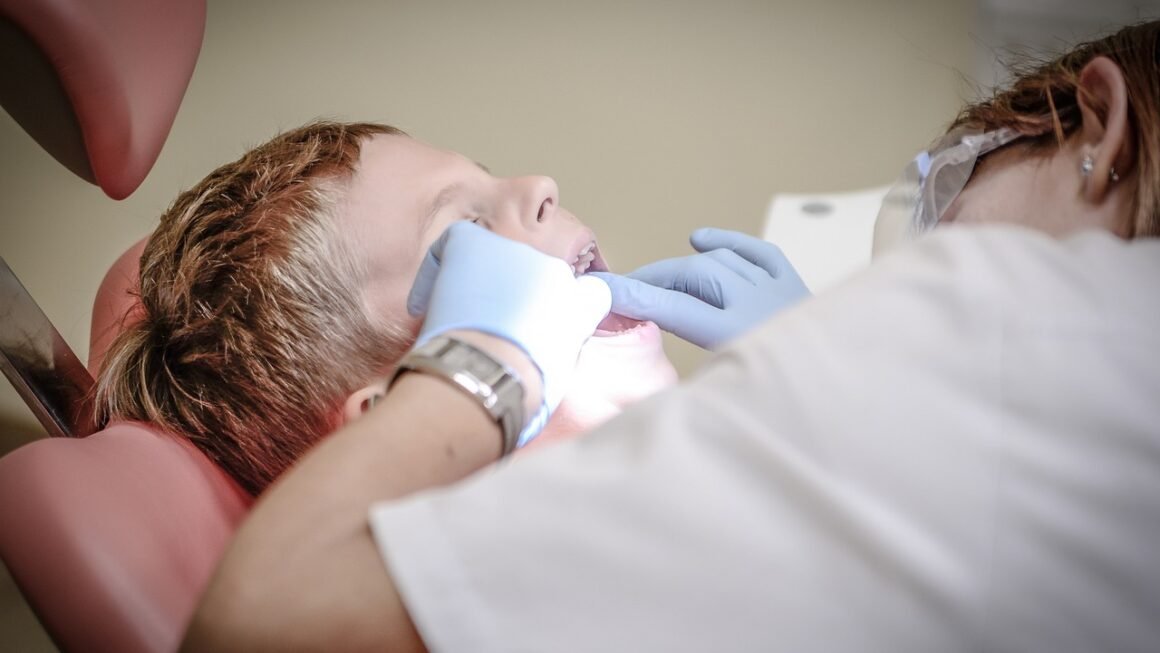
Tooth stains can dull your smile and impact your confidence. Nobody wants to hide their teeth when they laugh, but unfortunately, everyday habits and dietary choices can contribute to discoloration. The good news is that preventing tooth stains is often achievable with a few conscious adjustments to your routine. This comprehensive guide provides actionable strategies to keep your pearly whites shining brightly and minimize the need for expensive whitening treatments.
Understanding the Causes of Tooth Stains
Knowing what causes tooth stains is the first step in preventing them. Stains are broadly categorized into two types: extrinsic and intrinsic.
Extrinsic Stains: Surface-Level Discoloration
Extrinsic stains are those that occur on the surface of the tooth enamel. They are usually caused by:
- Foods and Drinks: Dark-colored beverages like coffee, tea, red wine, and soda are notorious for staining teeth. Similarly, highly pigmented foods like berries, soy sauce, and balsamic vinegar can also contribute to extrinsic stains. For example, coffee contains tannins, compounds that cause color compounds to stick to your teeth.
- Tobacco Use: Smoking or chewing tobacco is a major culprit in staining teeth. Tar and nicotine in tobacco are absorbed into the tooth enamel, causing yellowing and browning.
- Poor Oral Hygiene: Inadequate brushing and flossing allow plaque and bacteria to accumulate, leading to stain formation.
- Certain Medications: Some liquid medications, especially those containing iron, can cause staining.
Intrinsic Stains: Discoloration from Within
Intrinsic stains originate inside the tooth structure and are harder to remove. Common causes include:
- Age: As we age, the enamel thins, revealing the yellowish dentin underneath.
- Dental Trauma: Injury to a tooth can damage the internal structures, leading to discoloration.
- Certain Medications: Tetracycline antibiotics, when taken during tooth development (especially in children), can cause permanent gray or brown staining.
- Excessive Fluoride: While fluoride is beneficial for dental health, excessive fluoride intake (fluorosis) during tooth development can lead to white spots or discoloration.
Dietary Strategies for Stain Prevention
What you eat and drink has a significant impact on the color of your teeth. Making smart dietary choices can go a long way in preventing stains.
Limiting Stain-Causing Foods and Beverages
The best way to prevent food-related stains is to reduce your consumption of staining agents.
- Coffee and Tea: While it’s difficult for many to completely eliminate these beverages, consider reducing your intake or opting for lighter-colored varieties (e.g., green tea). Drink through a straw to minimize contact with your teeth.
- Red Wine: Swirl water in your mouth after drinking red wine to wash away the pigments.
- Soda: The acidity in soda erodes enamel, making teeth more susceptible to stains. Choose sugar-free options or water instead.
- Berries: Enjoy berries in moderation and rinse your mouth with water afterward.
- Acidic Foods: Citrus fruits and tomatoes, while healthy, can erode enamel. Consume them as part of a meal rather than alone.
Incorporating Stain-Fighting Foods
Certain foods can actually help to clean your teeth and prevent stains.
- Crunchy Fruits and Vegetables: Apples, celery, and carrots act as natural toothbrushes, scrubbing away surface stains.
- Dairy Products: Cheese and milk contain calcium and phosphorus, which help strengthen enamel. Hard cheeses stimulate saliva production, which neutralizes acids in the mouth.
- Water: Staying hydrated helps to wash away food particles and acids.
Practical Tip: The “One-Minute Rinse”
After consuming a staining food or beverage, rinse your mouth with water for one minute. This simple habit can significantly reduce stain accumulation.
Oral Hygiene Practices: Your First Line of Defense
Maintaining excellent oral hygiene is crucial for preventing both extrinsic and intrinsic stains.
Brushing Techniques and Frequency
- Brush at least twice a day: Once in the morning and once before bed.
- Use a soft-bristled toothbrush: Hard bristles can damage enamel.
- Use fluoride toothpaste: Fluoride strengthens enamel and helps prevent cavities.
- Brush for two minutes: Use a timer to ensure you’re brushing for the recommended amount of time.
- Use proper brushing technique: Angle the brush at 45 degrees to the gumline and use gentle, circular motions. Avoid scrubbing, which can damage enamel and gums.
Flossing Daily
Flossing removes plaque and food particles from between teeth, where your toothbrush can’t reach.
- Floss at least once a day: Preferably before bed.
- Use proper flossing technique: Gently slide the floss between your teeth and use a C-shape motion to clean along the sides of each tooth.
Mouthwash Rinse
Using an antiseptic or fluoride mouthwash can help to kill bacteria and strengthen enamel.
- Rinse after brushing and flossing: Follow the instructions on the mouthwash bottle.
- Choose an alcohol-free mouthwash: Alcohol can dry out the mouth, which can increase the risk of cavities.
Professional Dental Care and Treatments
Regular dental checkups and professional cleanings are essential for maintaining a healthy, stain-free smile.
Regular Dental Checkups and Cleanings
- Schedule regular checkups: Visit your dentist every six months for a checkup and cleaning.
- Professional cleanings remove plaque and tartar: Tartar (hardened plaque) cannot be removed by brushing and flossing alone.
- Early detection of dental problems: Your dentist can identify and treat dental problems early, before they lead to more serious issues.
Professional Teeth Whitening Options
If you already have stained teeth, professional whitening treatments can help to brighten your smile.
- In-office whitening: Your dentist can perform a professional whitening treatment using a high-concentration bleaching agent. This is the fastest and most effective way to whiten teeth.
- Take-home whitening kits: Your dentist can provide you with custom-fitted trays and a whitening gel to use at home.
- Over-the-counter whitening products: Whitening toothpastes, strips, and mouthwashes can help to remove surface stains, but they are not as effective as professional treatments.
Lifestyle Adjustments for Long-Term Prevention
Adopting healthy lifestyle habits can contribute to long-term tooth stain prevention.
Quit Smoking
Smoking is a major cause of tooth stains and other oral health problems. Quitting smoking is one of the best things you can do for your teeth and your overall health.
- Seek professional help: Talk to your doctor about smoking cessation programs or medications that can help you quit.
- Avoid secondhand smoke: Exposure to secondhand smoke can also contribute to tooth stains.
Stay Hydrated
Drinking plenty of water helps to wash away food particles and acids, preventing stain formation.
- Carry a water bottle with you: Sip on water throughout the day.
- Drink water after meals: This helps to rinse away food particles and acids.
Manage Underlying Medical Conditions
Certain medical conditions can increase the risk of tooth stains.
- Talk to your doctor: Discuss any underlying medical conditions that may be contributing to tooth discoloration.
- Follow your doctor’s recommendations: Manage your medical conditions to minimize their impact on your oral health.
Conclusion
Preventing tooth stains is an ongoing process that requires a combination of good oral hygiene practices, smart dietary choices, regular dental care, and healthy lifestyle habits. By understanding the causes of tooth stains and implementing the strategies outlined in this guide, you can maintain a bright, healthy smile for years to come. Remember, consistent effort and proactive care are key to achieving and preserving a stain-free smile you’ll be proud to show off.