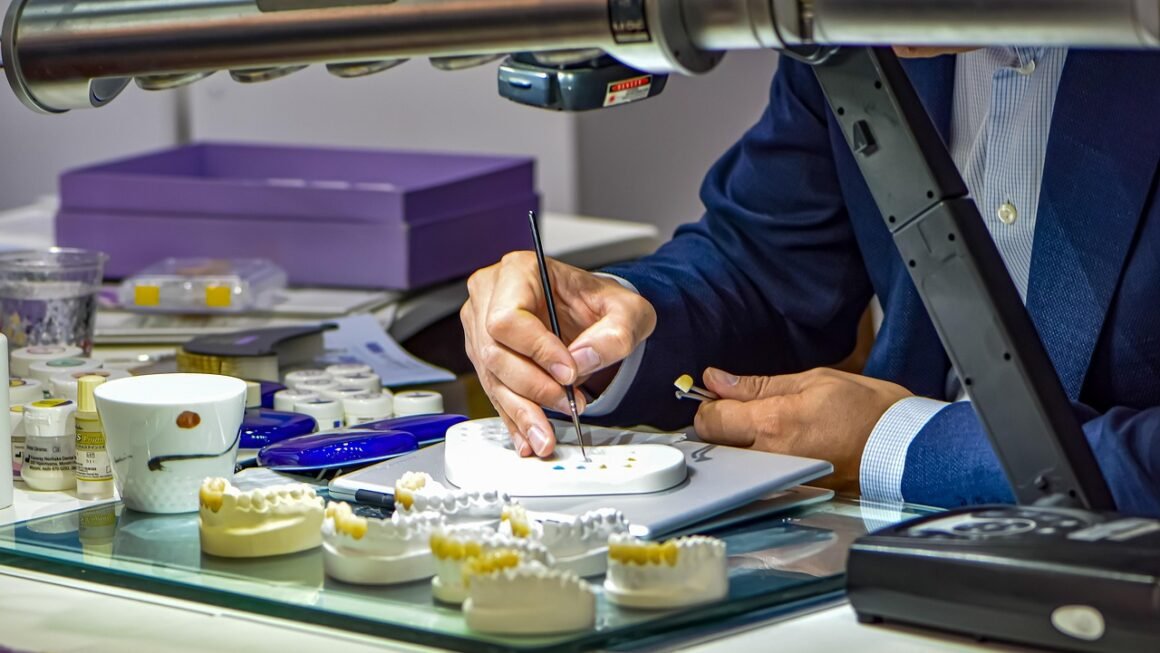
Achieving a brighter, whiter smile is a goal for many, boosting confidence and enhancing overall appearance. Bleaching gel offers a convenient and effective way to attain that coveted dazzling smile from the comfort of your own home or with the assistance of a dental professional. Understanding the different types, proper usage, and potential side effects of bleaching gel is crucial for a safe and successful teeth whitening experience.
What is Bleaching Gel?
Composition and Active Ingredients
Bleaching gel, also known as teeth whitening gel, is a substance used to lighten the color of teeth. The primary active ingredients are typically:
- Hydrogen Peroxide (H2O2): This stronger bleaching agent is usually found in professional-grade products. It breaks down stains on and below the tooth surface.
- Carbamide Peroxide (CH6N2O3): This compound breaks down into hydrogen peroxide and urea. It’s commonly used in at-home whitening kits and provides a slower, more gradual whitening effect.
The concentration of these ingredients varies significantly between over-the-counter and professional products. Professional bleaching gels, administered by dentists, generally have a higher concentration of peroxide, resulting in faster and more dramatic results. For example, a dentist might use a 35% hydrogen peroxide gel in their office, while an at-home kit could contain a 10% carbamide peroxide gel.
How Bleaching Gel Works
Bleaching gels work by oxidizing stains on the tooth enamel and dentin. Peroxide penetrates the enamel, breaking down the molecules that cause discoloration. This process lightens the overall shade of the teeth. The effectiveness of the gel depends on several factors, including:
- Concentration of the active ingredient: Higher concentrations typically yield faster results.
- Application time: Longer exposure times allow for more stain breakdown.
- Frequency of use: Consistent application is necessary to achieve and maintain desired results.
- Individual tooth characteristics: Some teeth are naturally more resistant to whitening.
Types of Bleaching Gel
Over-the-Counter (OTC) Bleaching Gels
OTC bleaching gels are readily available in pharmacies and online. They usually come in the form of:
- Whitening Strips: These thin, flexible strips are coated with bleaching gel and applied directly to the teeth. They are pre-portioned and easy to use, making them a popular choice for at-home whitening.
Example: Crest 3D White Whitestrips are a well-known OTC option.
- Paint-on Gels: These gels are applied directly to the teeth using a brush applicator. They offer targeted application, but it can be challenging to achieve even coverage.
- Whitening Trays: Some OTC kits include trays that are filled with bleaching gel and placed over the teeth. These are often a one-size-fits-all solution, which can lead to uneven whitening or gum irritation.
OTC options typically contain lower concentrations of peroxide, resulting in more gradual whitening and a reduced risk of sensitivity.
Professional Bleaching Gels
Professional bleaching gels are administered by dentists and offer a more potent and controlled whitening experience. Key characteristics include:
- Higher Peroxide Concentration: Dentists can use gels with much higher concentrations of hydrogen peroxide, achieving significant whitening in a shorter amount of time.
- Custom-Fitted Trays: Dentists create custom-fitted trays that fit snugly over the teeth, ensuring optimal gel contact and minimizing gum irritation.
- In-Office Procedures: In-office whitening treatments use powerful bleaching gels activated by a special light or laser. These procedures can dramatically whiten teeth in a single visit.
Example: Zoom! Whitening is a popular in-office procedure.
- Take-Home Kits (Provided by Dentists): Dentists also provide take-home kits with custom trays and professional-grade bleaching gel. This allows for controlled whitening at home with professional guidance.
Using Bleaching Gel Correctly
Preparation
Before using any bleaching gel, it’s crucial to:
- Consult with a Dentist: Discuss your whitening goals and any pre-existing dental conditions. They can assess your teeth and gums to determine if bleaching is right for you.
- Professional Cleaning: Undergo a professional cleaning to remove plaque and tartar, ensuring the bleaching gel can effectively penetrate the enamel.
- Address Dental Issues: Treat any cavities, gum disease, or other dental problems before starting whitening.
Application Techniques
The application technique depends on the type of bleaching gel being used:
- Whitening Strips:
Follow the manufacturer’s instructions carefully.
Ensure the strips are properly aligned with your gum line.
Avoid eating or drinking while wearing the strips.
- Paint-on Gels:
Dry your teeth thoroughly before applying the gel.
Apply a thin, even layer of gel to each tooth.
Avoid swallowing the gel.
- Whitening Trays:
Fill the trays with a thin layer of bleaching gel.
Insert the trays over your teeth, ensuring a snug fit.
Wipe away any excess gel that oozes out of the trays.
- Professional Treatments:
Follow the dentist’s instructions carefully for take-home kits.
For in-office treatments, relax and let the dentist perform the procedure.
Post-Treatment Care
After each bleaching session:
- Rinse Your Mouth: Rinse your mouth thoroughly with water to remove any remaining gel.
- Brush Your Teeth: Gently brush your teeth with fluoride toothpaste.
- Avoid Staining Foods and Drinks: For at least 24 hours, avoid foods and drinks that can stain your teeth, such as coffee, tea, red wine, and berries.
- Manage Sensitivity: If you experience sensitivity, use toothpaste designed for sensitive teeth.
Potential Side Effects and Risks
Tooth Sensitivity
Tooth sensitivity is a common side effect of bleaching gel. It occurs when the peroxide penetrates the enamel and irritates the nerve endings in the teeth.
- Management:
Use toothpaste for sensitive teeth.
Reduce the frequency or duration of bleaching sessions.
Apply fluoride gel to strengthen the enamel.
Gum Irritation
Gum irritation can occur if the bleaching gel comes into contact with the gums. This is more likely to happen with ill-fitting trays.
- Prevention:
Use custom-fitted trays.
Apply the gel carefully to avoid contact with the gums.
Wipe away any excess gel that oozes out of the trays.
- Treatment:
Rinse your mouth with warm salt water.
* Apply vitamin E oil to the irritated gums.
Other Risks
- Uneven Whitening: Uneven whitening can occur if the bleaching gel is not applied evenly or if the teeth have existing stains or discoloration.
- Enamel Damage: Excessive or improper use of bleaching gel can weaken the enamel over time.
- Color Reversion: Teeth may gradually revert to their original color over time. Periodic touch-up treatments are often necessary to maintain the desired level of whiteness.
Maintaining Your Whiter Smile
Good Oral Hygiene
- Brush your teeth twice a day with fluoride toothpaste.
- Floss daily to remove plaque and food particles.
- Use an antibacterial mouthwash to kill bacteria and freshen your breath.
Dietary Habits
- Limit your consumption of staining foods and drinks, such as coffee, tea, red wine, and berries.
- Drink water after meals to rinse away food particles and acids.
Touch-Up Treatments
- Consider periodic touch-up treatments to maintain your whiter smile. Your dentist can recommend a schedule based on your individual needs.
- Use a whitening toothpaste or mouthwash to help prevent staining.
Conclusion
Bleaching gel offers a powerful and accessible way to achieve a brighter, more confident smile. By understanding the different types of gels, using them correctly, and managing potential side effects, you can safely and effectively whiten your teeth. Consulting with your dentist is always recommended to determine the best approach for your individual needs and to ensure a successful and satisfying whitening experience.