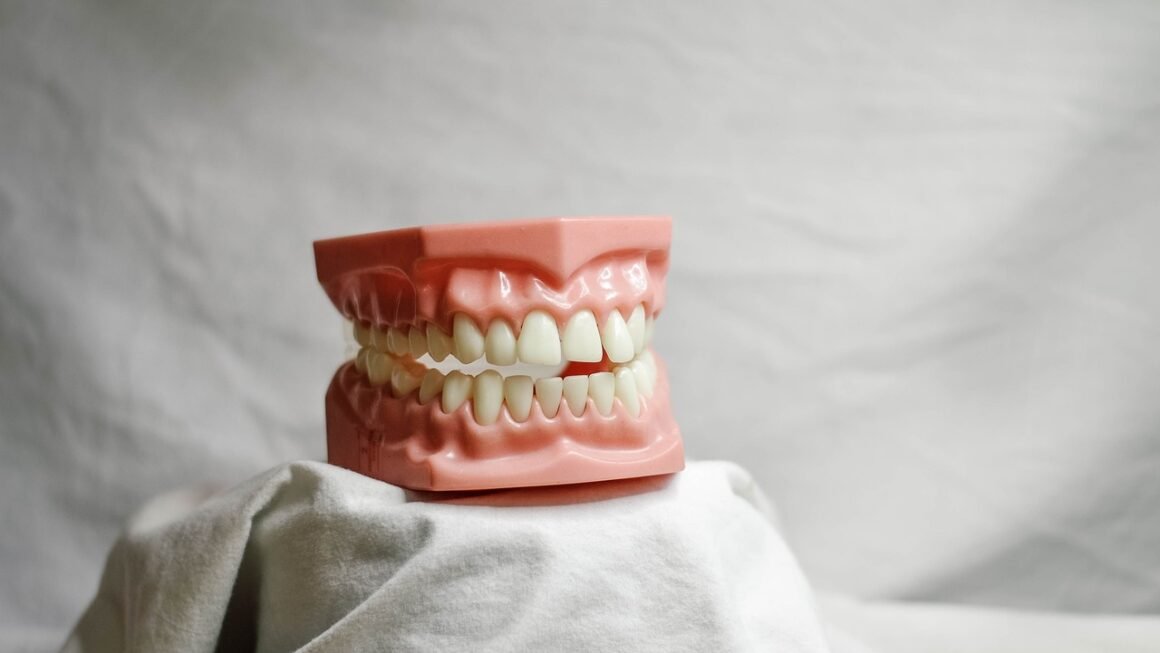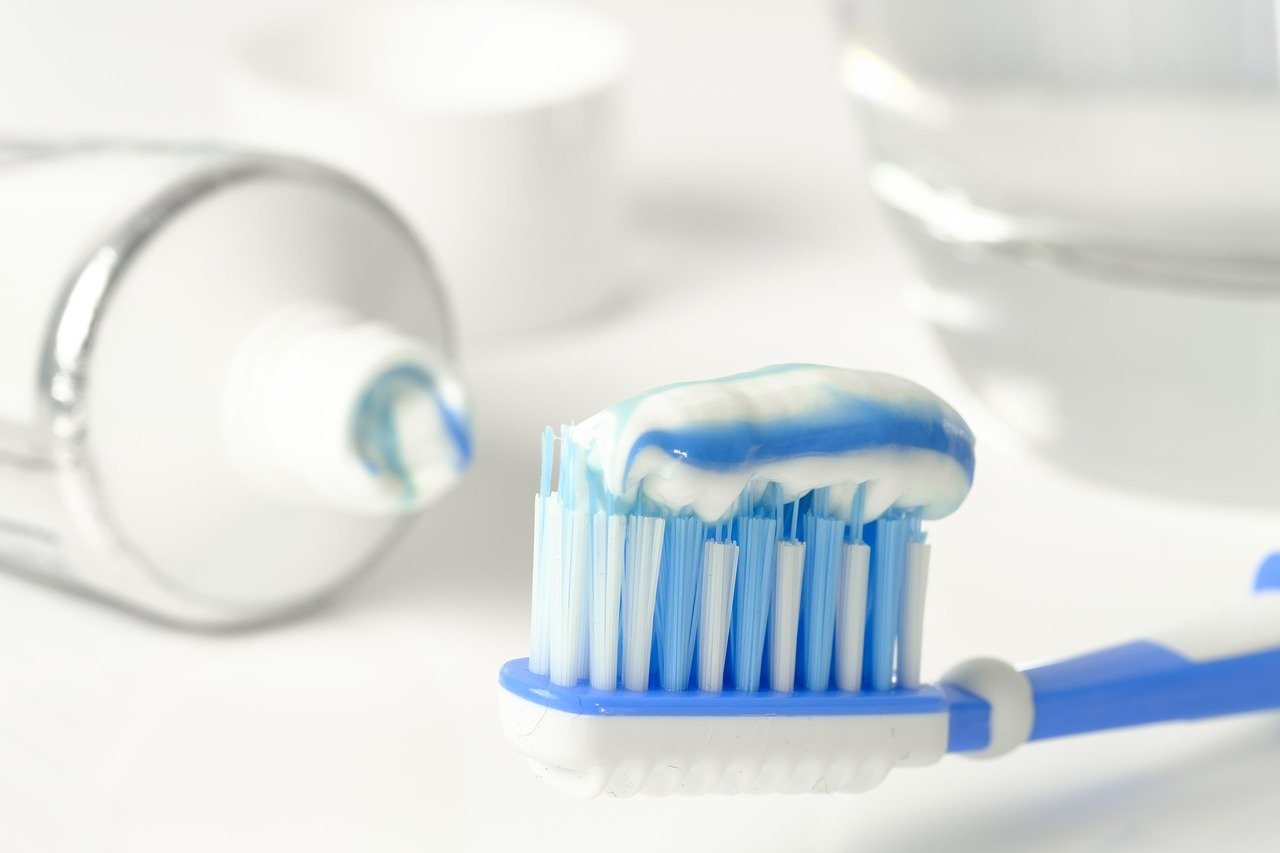
A healthy smile is more than just aesthetically pleasing; it’s a cornerstone of your overall health and well-being. From boosting your confidence to playing a vital role in digestion and speech, your oral health impacts numerous aspects of your life. Taking proactive steps to maintain a healthy smile can significantly improve your quality of life and prevent serious health issues down the road. This guide will provide you with comprehensive strategies and insights to achieve and maintain a radiant, healthy smile.
The Importance of Good Oral Hygiene
A consistent oral hygiene routine is the foundation of a healthy smile. Neglecting this routine can lead to plaque buildup, gum disease, and tooth decay.
Brushing Techniques for a Healthy Smile
Brushing effectively removes plaque and food particles, preventing the formation of harmful bacteria.
- Technique: Use a soft-bristled toothbrush and fluoride toothpaste. Brush at a 45-degree angle to your gums, using gentle, circular motions.
- Duration: Brush for at least two minutes, ensuring you reach all surfaces of your teeth.
- Frequency: Brush twice a day – once in the morning and once before bed. Avoid brushing too hard, which can damage your gums and enamel. A study by the American Dental Association found that only 50% of Americans brush their teeth twice a day as recommended.
- Example: Imagine dividing your mouth into four quadrants. Spend 30 seconds brushing each quadrant thoroughly.
The Role of Flossing in Preventing Gum Disease
Flossing removes plaque and food particles from between your teeth, areas that your toothbrush can’t reach. Gum disease, or periodontitis, affects nearly half of adults over 30 in the United States, according to the CDC.
- Technique: Use about 18 inches of floss, wrapping it around your middle fingers and using your thumbs and forefingers to guide it between your teeth. Gently slide the floss up and down, curving it around each tooth.
- Frequency: Floss at least once a day, preferably before bedtime.
- Importance: Flossing helps prevent gum disease, which has been linked to other health problems such as heart disease and diabetes.
- Example: Focus on using a clean section of floss for each tooth to avoid spreading bacteria.
Choosing the Right Oral Hygiene Products
Selecting the right toothbrush, toothpaste, and mouthwash is crucial for maintaining optimal oral health.
- Toothbrush: Opt for a soft-bristled toothbrush. Electric toothbrushes can also be beneficial, as they often have built-in timers and pressure sensors. Change your toothbrush every three months or sooner if the bristles are frayed.
- Toothpaste: Choose a fluoride toothpaste to help strengthen enamel and prevent tooth decay. Consider toothpaste formulated for specific needs, such as sensitivity or whitening.
- Mouthwash: Use an antimicrobial mouthwash to kill bacteria and freshen breath. Look for a mouthwash that contains fluoride for added protection.
- Example: If you have sensitive teeth, choose a toothpaste and mouthwash specifically designed for sensitivity.
The Impact of Diet on Dental Health
Your diet plays a significant role in the health of your teeth and gums. Sugary and acidic foods can erode enamel and contribute to tooth decay.
Foods to Promote a Healthy Smile
Certain foods can actively contribute to a healthy smile by strengthening enamel and reducing plaque buildup.
- Dairy Products: Milk, cheese, and yogurt are rich in calcium and phosphates, which help strengthen tooth enamel and neutralize acids.
- Crunchy Fruits and Vegetables: Apples, carrots, and celery stimulate saliva production, which helps wash away food particles and neutralize acids. Their crunchy texture also helps to scrub away plaque.
- Leafy Greens: Spinach, kale, and other leafy greens are packed with vitamins and minerals that are essential for healthy gums and teeth.
- Nuts: Almonds, walnuts, and other nuts provide protein and minerals that support strong teeth and gums.
- Example: Incorporate a handful of almonds into your daily diet or snack on celery sticks with hummus.
Foods and Drinks to Limit or Avoid
Certain foods and beverages can significantly harm your teeth and gums.
- Sugary Foods and Drinks: Candy, soda, and processed snacks are high in sugar, which feeds bacteria in your mouth and leads to tooth decay.
- Acidic Foods and Drinks: Citrus fruits, fruit juices, and carbonated drinks can erode tooth enamel, making your teeth more susceptible to decay.
- Sticky Foods: Caramel, taffy, and other sticky foods cling to your teeth, providing a breeding ground for bacteria.
- Dried Fruits: While seemingly healthy, dried fruits are often high in sugar and can stick to your teeth.
- Example: If you consume sugary or acidic foods, rinse your mouth with water afterward to help neutralize the acids and wash away food particles.
The Importance of Hydration
Drinking plenty of water helps keep your mouth hydrated and promotes saliva production. Saliva helps to wash away food particles, neutralize acids, and remineralize tooth enamel.
- Recommendation: Aim to drink at least eight glasses of water per day.
- Benefits: Staying hydrated can help prevent dry mouth, which can increase your risk of tooth decay.
- Example: Carry a water bottle with you and sip on it throughout the day.
Professional Dental Care: Check-ups and Cleanings
Regular dental check-ups and cleanings are essential for maintaining a healthy smile. Your dentist can detect and treat problems early, before they become more serious and costly.
The Benefits of Regular Check-ups
Regular dental check-ups allow your dentist to monitor your oral health, identify potential problems, and provide preventive care.
- Early Detection: Dentists can detect early signs of tooth decay, gum disease, and other oral health problems.
- Preventive Care: Professional cleanings remove plaque and tartar buildup, reducing the risk of gum disease and tooth decay.
- Oral Cancer Screening: Dentists screen for oral cancer during routine check-ups, which can improve the chances of early detection and successful treatment.
- Personalized Advice: Your dentist can provide personalized advice on how to improve your oral hygiene routine and address any specific concerns you may have.
- Example: Schedule a dental check-up every six months, or as recommended by your dentist.
What to Expect During a Dental Cleaning
A professional dental cleaning involves removing plaque and tartar buildup from your teeth, polishing your teeth, and providing fluoride treatment.
- Scaling: Using special instruments, the dental hygienist removes plaque and tartar from above and below the gum line.
- Polishing: A polishing paste is used to smooth the surface of your teeth, making it more difficult for plaque to adhere.
- Fluoride Treatment: A fluoride treatment is applied to strengthen tooth enamel and protect against tooth decay.
- Oral Examination: The dentist will examine your teeth and gums for any signs of problems.
- Example: Be prepared to answer questions about your oral health habits and any concerns you may have.
Addressing Specific Dental Concerns
Consult your dentist if you experience any dental problems, such as tooth pain, bleeding gums, or bad breath.
- Tooth Pain: Tooth pain can be a sign of tooth decay, infection, or other dental problems.
- Bleeding Gums: Bleeding gums can be a sign of gum disease.
- Bad Breath: Persistent bad breath can be a sign of poor oral hygiene, gum disease, or other health problems.
- Dry Mouth: Chronic dry mouth can increase your risk of tooth decay.
- Example: Don’t hesitate to seek professional dental care if you have any concerns about your oral health.
Lifestyle Factors Affecting Oral Health
Several lifestyle factors can influence your oral health, including smoking, stress, and certain medications.
The Detrimental Effects of Smoking
Smoking significantly increases your risk of gum disease, tooth loss, and oral cancer.
- Increased Risk of Gum Disease: Smoking weakens the immune system, making it harder to fight off gum infections. Smokers are twice as likely to develop gum disease compared to non-smokers.
- Tooth Discoloration: Smoking causes tooth staining and discoloration.
- Oral Cancer Risk: Smoking is a major risk factor for oral cancer.
- Impaired Healing: Smoking can impair the healing process after dental procedures.
- Example: Quitting smoking is one of the best things you can do for your oral health and overall well-being.
Managing Stress for a Healthier Smile
Stress can contribute to bruxism (teeth grinding), which can damage your teeth and jaw.
- Bruxism: Stress can lead to teeth grinding, especially at night. This can cause headaches, jaw pain, and tooth damage.
- Poor Oral Hygiene: Stress can lead to neglecting your oral hygiene routine.
- Dry Mouth: Stress can reduce saliva production, increasing your risk of tooth decay.
- Example: Practice stress-reducing techniques such as yoga, meditation, or deep breathing exercises. If you grind your teeth at night, talk to your dentist about getting a mouthguard.
Medications and Their Impact on Oral Health
Certain medications can cause dry mouth, which can increase your risk of tooth decay.
- Dry Mouth: Many medications, including antidepressants, antihistamines, and diuretics, can cause dry mouth.
- Increased Risk of Tooth Decay: Saliva helps to neutralize acids and wash away food particles, so dry mouth can increase your risk of tooth decay.
- Example: If you experience dry mouth as a side effect of medication, talk to your doctor about potential alternatives or strategies to manage the dry mouth. Drink plenty of water, chew sugar-free gum, or use artificial saliva products.
Conclusion
Achieving and maintaining a healthy smile requires a combination of consistent oral hygiene practices, a balanced diet, regular dental check-ups, and healthy lifestyle choices. By incorporating these strategies into your daily routine, you can significantly improve your oral health, boost your confidence, and enhance your overall well-being. Remember to consult with your dentist for personalized advice and address any specific concerns you may have. Your smile is an investment in your health and happiness.