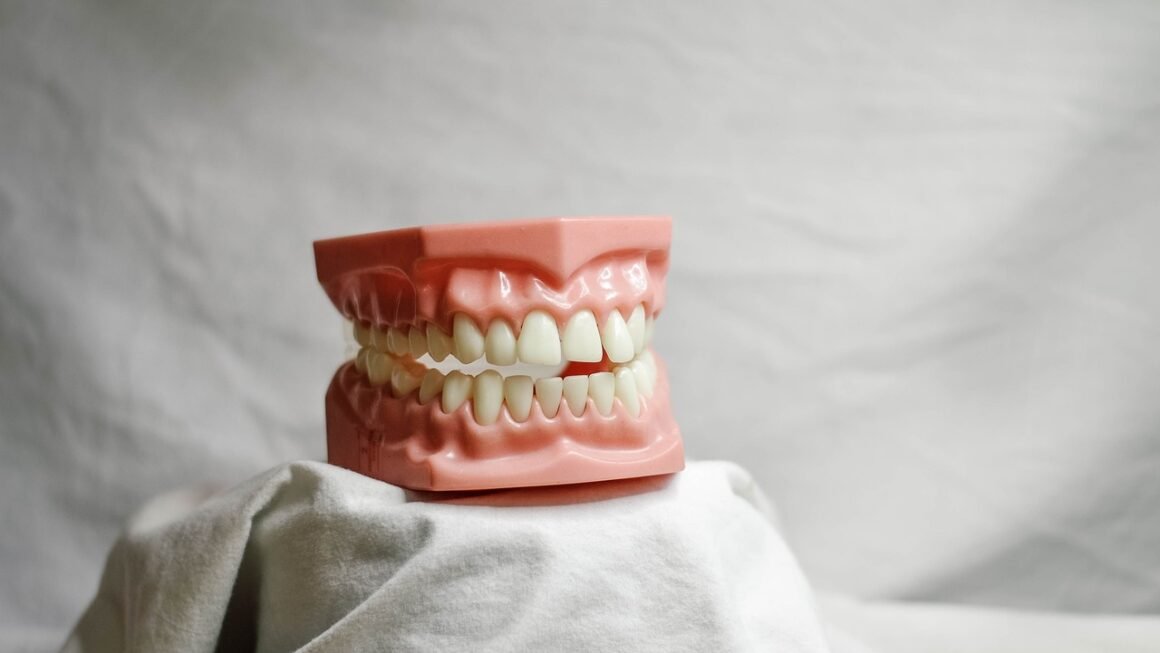
Oral care is a cornerstone of overall health, extending far beyond just a bright smile. The products we choose to incorporate into our daily oral hygiene routine play a pivotal role in preventing cavities, gum disease, and other related health issues. In this comprehensive guide, we’ll delve into the world of oral care products, exploring their types, benefits, and how to select the best options for your unique needs. Let’s get started on building a healthier, happier smile!
Understanding Toothpaste: The Foundation of Oral Hygiene
Toothpaste is the workhorse of oral care, crucial for removing plaque and food particles from your teeth. Selecting the right toothpaste is essential for maintaining optimal oral health.
Fluoride Toothpaste: The Gold Standard
- What it is: Toothpaste containing fluoride, a naturally occurring mineral.
- Benefits:
Strengthens tooth enamel, making it more resistant to acid attacks from bacteria.
Reverses early signs of tooth decay.
Prevents cavities.
- Practical Example: Most dentists recommend using a fluoride toothpaste twice daily. Check the American Dental Association (ADA) Seal of Acceptance for quality assurance.
- Actionable Takeaway: Choose a fluoride toothpaste with at least 1350 ppm (parts per million) of fluoride for optimal protection, unless otherwise advised by your dentist.
Toothpaste for Sensitive Teeth
- What it is: Toothpaste formulated with ingredients like potassium nitrate or stannous fluoride.
- Benefits:
Desensitizes nerve endings in teeth, reducing pain caused by hot, cold, sweet, or acidic foods and drinks.
Provides relief from dentin hypersensitivity.
- Practical Example: If you experience sensitivity, try using a sensitive toothpaste for at least two weeks to see if it provides relief. Apply a pea-sized amount to a soft-bristled toothbrush.
- Actionable Takeaway: Look for a toothpaste specifically designed for sensitive teeth and continue using it regularly for sustained relief. Consult your dentist if sensitivity persists.
Whitening Toothpaste
- What it is: Toothpaste containing mild abrasives or chemical agents.
- Benefits:
Removes surface stains from teeth caused by coffee, tea, or smoking.
Brightens the appearance of teeth.
- Practical Example: Whitening toothpaste can help maintain whiteness after professional whitening treatments. However, be aware that they typically only remove surface stains and don’t provide the same level of whitening as professional treatments.
- Actionable Takeaway: Use whitening toothpaste in moderation to avoid enamel erosion. Look for options with the ADA Seal of Acceptance and discuss with your dentist before use.
The Importance of Choosing the Right Toothbrush
Your toothbrush is your primary tool for removing plaque and bacteria. The right toothbrush can make all the difference in maintaining good oral hygiene.
Manual Toothbrushes
- What it is: Traditional toothbrushes with bristles.
- Benefits:
Affordable and readily available.
Easy to control brushing pressure and technique.
- Practical Example: Choose a toothbrush with soft bristles to avoid damaging your gums and tooth enamel. Replace your toothbrush every three months or sooner if the bristles are frayed.
- Actionable Takeaway: Opt for a soft-bristled manual toothbrush and use proper brushing techniques to effectively clean your teeth.
Electric Toothbrushes
- What it is: Toothbrushes powered by electricity that vibrate or rotate to clean teeth.
- Benefits:
May be more effective at removing plaque and bacteria compared to manual toothbrushes, especially for those with limited dexterity.
Often include timers and pressure sensors to encourage proper brushing habits.
- Practical Example: Electric toothbrushes with timers help ensure you brush for the recommended two minutes. Pressure sensors can prevent you from brushing too hard, which can damage your gums.
- Actionable Takeaway: If you find it difficult to brush effectively with a manual toothbrush, an electric toothbrush can be a great alternative. Consider features like timers, pressure sensors, and oscillating-rotating heads.
Interdental Brushes
- What it is: Small brushes designed to clean between teeth.
- Benefits:
Removes plaque and food particles from areas that toothbrushes can’t reach.
Helps prevent gum disease.
- Practical Example: Use interdental brushes to clean between teeth with larger gaps or around dental implants. Ask your dentist for recommendations on the appropriate size for your needs.
- Actionable Takeaway: Incorporate interdental brushes into your daily routine to clean between your teeth, especially if you have gaps, braces, or dental implants.
Mouthwash: An Effective Complement to Brushing and Flossing
Mouthwash offers additional benefits beyond brushing and flossing, helping to kill bacteria, freshen breath, and protect your teeth and gums.
Fluoride Mouthwash
- What it is: Mouthwash containing fluoride.
- Benefits:
Strengthens tooth enamel and prevents cavities.
Reaches areas that brushing and flossing may miss.
- Practical Example: Use fluoride mouthwash after brushing and flossing at night. Rinse for 30 seconds and avoid eating or drinking for at least 30 minutes afterward.
- Actionable Takeaway: Incorporate fluoride mouthwash into your routine, especially if you’re prone to cavities or have dry mouth.
Antiseptic Mouthwash
- What it is: Mouthwash containing antibacterial ingredients like chlorhexidine or cetylpyridinium chloride (CPC).
- Benefits:
Kills bacteria that cause bad breath, plaque, and gingivitis.
Reduces inflammation and promotes gum health.
- Practical Example: Antiseptic mouthwash is often recommended after dental procedures or for individuals with gum disease. However, prolonged use of chlorhexidine mouthwash may cause staining of the teeth.
- Actionable Takeaway: Use antiseptic mouthwash as directed by your dentist, especially if you have gum disease or have undergone dental surgery.
Cosmetic Mouthwash
- What it is: Mouthwash designed to freshen breath.
- Benefits:
Provides a temporary solution for bad breath.
May contain ingredients to mask odors.
- Practical Example: Cosmetic mouthwash can be used for a quick breath freshener, but it doesn’t address the underlying causes of bad breath.
- Actionable Takeaway: While cosmetic mouthwash can freshen breath, it’s important to address the root cause of bad breath through good oral hygiene and regular dental check-ups.
Flossing: Reaching the Areas Your Brush Misses
Flossing is an essential part of oral hygiene that reaches the spaces between your teeth where your toothbrush cannot.
Types of Floss
- Traditional Floss: Nylon floss that comes in waxed or unwaxed varieties.
- Floss Picks: Small, disposable tools with a piece of floss stretched between two prongs.
- Interdental Floss: Designed for wider spaces between teeth.
- Practical Example: If you have tight spaces between your teeth, waxed floss may be easier to use. Floss picks can be convenient for on-the-go flossing.
- Actionable Takeaway: Find the type of floss that works best for you and make flossing a daily habit.
Flossing Technique
- How to Floss: Use about 18 inches of floss, wrapping the ends around your middle fingers. Gently guide the floss between your teeth, using a sawing motion. Curve the floss around each tooth in a “C” shape and slide it up and down, below the gumline.
- Practical Example: Be gentle when flossing to avoid damaging your gums. If your gums bleed when you floss, it may be a sign of inflammation. Continue flossing daily, and the bleeding should decrease as your gums become healthier.
- Actionable Takeaway: Practice proper flossing technique to effectively remove plaque and food particles from between your teeth.
Beyond the Basics: Additional Oral Care Products
Beyond the standard toothpaste, toothbrush, mouthwash, and floss, several other products can enhance your oral health regimen.
Tongue Scrapers
- What it is: Tools designed to remove bacteria and debris from the surface of your tongue.
- Benefits:
Reduces bad breath by removing odor-causing bacteria.
Improves taste perception.
- Practical Example: Gently scrape your tongue from back to front after brushing your teeth. Rinse the tongue scraper after each swipe.
- Actionable Takeaway: Add a tongue scraper to your oral hygiene routine to reduce bad breath and improve overall oral hygiene.
Water Flossers
- What it is: Devices that use a stream of pressurized water to clean between teeth and along the gumline.
- Benefits:
Effective at removing plaque and food particles.
Gentle on gums.
- Practical Example: Water flossers can be a good option for people who find traditional flossing difficult or have braces or dental implants.
- Actionable Takeaway: Consider using a water flosser if you struggle with traditional flossing or have specific dental needs.
Dry Mouth Products
- What it is: Products designed to relieve dry mouth symptoms.
- Benefits:
Stimulate saliva production.
* Moisturize the mouth.
- Practical Example: Dry mouth products come in various forms, including mouthwashes, lozenges, and gels. Choose products that are specifically formulated to relieve dry mouth and are alcohol-free.
- Actionable Takeaway: If you suffer from dry mouth, talk to your dentist about using specialized dry mouth products to alleviate symptoms and protect your teeth from decay.
Conclusion
Maintaining excellent oral hygiene involves more than just brushing your teeth. By understanding the various oral care products available and choosing the right ones for your needs, you can significantly improve your oral health and overall well-being. Remember to consult with your dentist regularly to get personalized recommendations and address any specific concerns. With a consistent and informed approach to oral care, you can achieve a healthy, confident smile that lasts a lifetime.