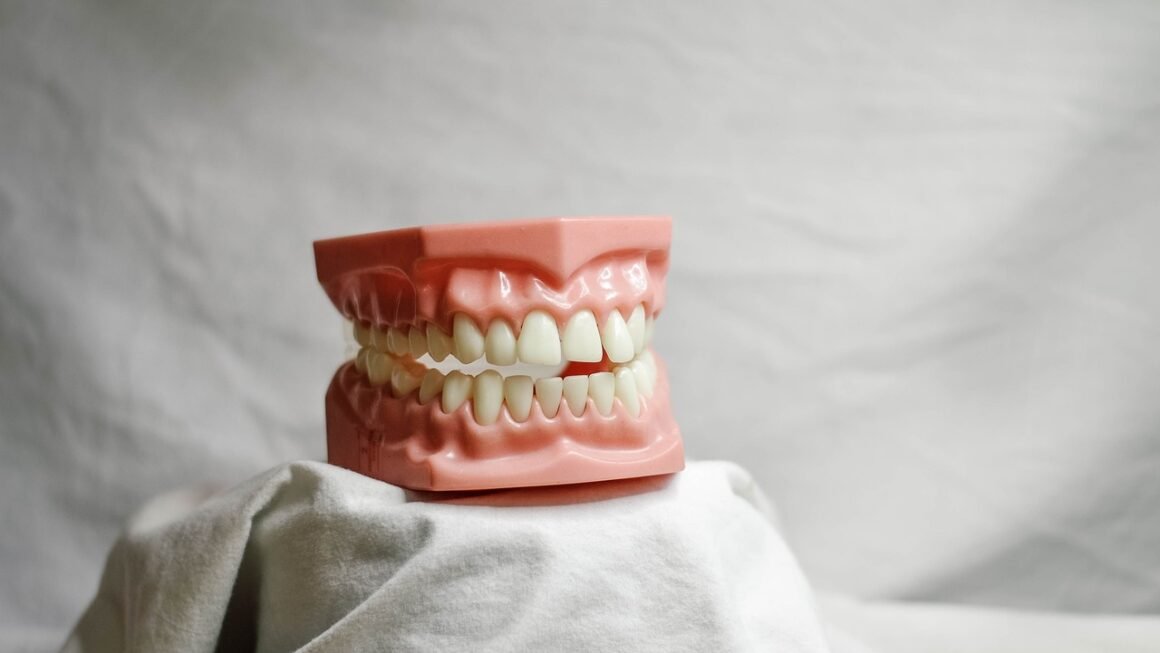
Oral care is more than just a bright smile; it’s a crucial aspect of overall health. Neglecting your teeth and gums can lead to serious health issues beyond cavities. With a vast array of oral care products available, choosing the right ones can feel overwhelming. This comprehensive guide will break down the essential products, their benefits, and how to use them effectively to achieve a healthy and radiant smile.
The Foundation: Toothbrushes
Types of Toothbrushes
A good toothbrush is the cornerstone of any effective oral hygiene routine. Choosing the right one depends on your individual needs and preferences.
- Manual Toothbrushes: The classic option, manual toothbrushes come in various bristle types (soft, medium, hard), head sizes, and handle designs. Soft bristles are generally recommended to prevent gum damage.
Example: Opt for a toothbrush with soft, rounded bristles and a small head to easily reach all areas of your mouth.
- Electric Toothbrushes: Powered by batteries or rechargeable, electric toothbrushes offer consistent and often more effective cleaning. Many models feature built-in timers and pressure sensors.
Example: Consider an electric toothbrush with a pressure sensor to avoid brushing too hard, which can erode enamel and irritate gums.
- Interdental Brushes: These small brushes are designed to clean between teeth, where regular toothbrushes can’t reach, making them excellent for removing plaque and food particles.
Example: If you have wide gaps between your teeth or wear braces, interdental brushes are an essential addition to your routine.
- Toothbrush Heads: These are specifically meant for electric toothbrushes as replacement brush heads.
How to Choose and Use a Toothbrush
- Bristle Softness: Always choose soft or extra-soft bristles to prevent gum recession and enamel damage.
- Head Size: Select a brush head that allows you to comfortably reach all areas of your mouth, including the back molars.
- Replacement: Replace your toothbrush every 3 months, or sooner if the bristles are frayed. Studies show that frayed bristles are less effective at removing plaque.
- Brushing Technique: Use gentle, circular motions to clean all surfaces of each tooth. Brush for at least two minutes, twice a day. Don’t forget to brush your tongue to remove bacteria and freshen breath.
- Storage: Store your toothbrush upright in an open container to allow it to air dry. This helps prevent bacterial growth.
The Power of Paste: Toothpaste
Types of Toothpaste
Toothpaste is more than just a flavor booster; it contains essential ingredients to protect and strengthen your teeth.
- Fluoride Toothpaste: The most common and highly recommended type, fluoride toothpaste strengthens tooth enamel and helps prevent cavities.
Example: Look for toothpaste with at least 1350-1500 ppm (parts per million) of fluoride for optimal protection.
- Whitening Toothpaste: Contains abrasives and/or chemicals to help remove surface stains and brighten teeth.
Example: Use whitening toothpaste sparingly, as excessive use can damage enamel. Alternate with regular fluoride toothpaste.
- Sensitive Teeth Toothpaste: Formulated with ingredients like potassium nitrate to block pain signals and provide relief from sensitivity.
Example: Apply a small amount of sensitive toothpaste directly to the affected area for quick relief.
- Tartar Control Toothpaste: Contains ingredients that help prevent tartar (hardened plaque) buildup.
Example: If you’re prone to tartar, use tartar control toothpaste regularly and consider professional cleanings.
- Natural Toothpaste: These toothpastes typically avoid artificial colors, flavors, and preservatives. They often use natural ingredients, though their effectiveness can vary.
Example: Ensure natural toothpaste contains fluoride or another proven anticavity agent.
Key Ingredients to Look For
- Fluoride: Essential for preventing tooth decay.
- Abrasives: Help remove surface stains (e.g., hydrated silica, dicalcium phosphate).
- Humectants: Keep the toothpaste moist (e.g., sorbitol, glycerin).
- Flavoring Agents: Make the toothpaste palatable (e.g., mint, cinnamon).
- Antibacterial Agents: Help control bacteria in the mouth (e.g., triclosan, stannous fluoride).
Reaching the Gaps: Floss and Interdental Cleaners
Types of Floss
Flossing is crucial for removing plaque and food particles from between teeth, where your toothbrush can’t reach.
- String Floss: The traditional option, available waxed or unwaxed.
Example: Unwaxed floss may be preferable for tight spaces, while waxed floss slides more easily.
- Floss Picks: Convenient, pre-threaded floss holders, ideal for on-the-go use.
Example: Great for travel or for those who find string floss difficult to handle.
- Dental Tape: Wider and flatter than string floss, suitable for people with larger gaps between their teeth.
Example: Can be more comfortable than string floss if you have sensitive gums.
- Interdental Brushes: As mentioned earlier, these are fantastic for larger gaps and around dental work.
Proper Flossing Technique
- Break off about 18 inches of floss.
- Wrap the floss around your middle fingers, leaving a few inches to work with.
- Gently guide the floss between your teeth using a sawing motion.
- Curve the floss into a “C” shape around each tooth, making sure to go below the gum line.
- Use a fresh section of floss for each tooth.
- Floss at least once a day, preferably before bed.
Rinsing for Results: Mouthwash
Types of Mouthwash
Mouthwash can provide additional benefits like freshening breath, killing bacteria, and preventing plaque buildup.
- Fluoride Mouthwash: Helps strengthen enamel and prevent cavities.
Example: Use after brushing, but avoid rinsing with water for at least 30 minutes to allow the fluoride to work.
- Antiseptic Mouthwash: Contains ingredients like chlorhexidine or cetylpyridinium chloride (CPC) to kill bacteria.
Example: Often prescribed by dentists after oral surgery or for treating gum disease. Prolonged use can cause staining.
- Cosmetic Mouthwash: Primarily freshens breath and doesn’t offer significant therapeutic benefits.
Example: Useful for a quick breath freshener, but shouldn’t replace brushing and flossing.
- Dry Mouth Mouthwash: Helps to relieve dry mouth (xerostomia), which can increase the risk of tooth decay. Look for products containing xylitol.
Example:* Ideal for individuals who experience dry mouth due to medications or medical conditions.
How to Use Mouthwash Effectively
- Rinse for 30-60 seconds.
- Do not swallow mouthwash.
- Avoid eating or drinking for at least 30 minutes after rinsing.
- Use as directed by your dentist or on the product label.
Specialty Oral Care Products
Tongue Scrapers
Removing bacteria and debris from the tongue can significantly improve breath and overall oral hygiene.
- How to Use: Gently scrape your tongue from back to front, rinsing the scraper after each pass.
Water Flossers
These devices use a stream of water to remove plaque and food particles from between teeth and along the gum line.
- Benefits: Easier to use than traditional floss, especially for those with braces or limited dexterity.
Dental Picks
These are used to remove large pieces of food from teeth but do not replace flossing.
- Considerations: Use with caution, avoiding forceful contact with gums to prevent damage.
Conclusion
Maintaining optimal oral health requires a consistent and comprehensive routine using the right products. By understanding the different types of toothbrushes, toothpastes, floss, and mouthwashes available, you can create a personalized oral care regimen that meets your specific needs. Remember to consult with your dentist for personalized recommendations and professional care. A proactive approach to oral hygiene will not only give you a confident smile but also contribute to your overall well-being.