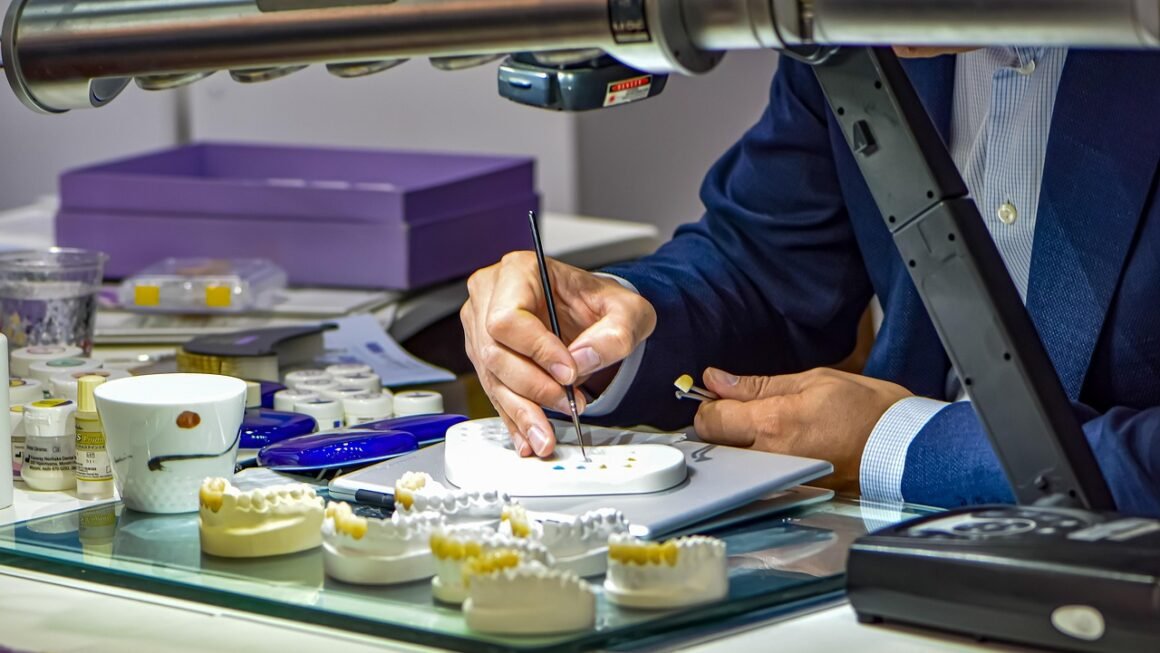
Bleaching gel, a staple in the world of cosmetic dentistry and personal care, offers a convenient and effective way to brighten your smile. Whether you’re preparing for a special occasion or simply want to boost your confidence, understanding the ins and outs of bleaching gels is key to achieving the best possible results. This guide will delve into everything you need to know about bleaching gels, from the different types available to how to use them safely and effectively.
What is Bleaching Gel?
Bleaching gel, also known as teeth whitening gel, is a peroxide-based solution used to lighten the shade of your teeth. It works by penetrating the enamel and breaking down stain molecules, resulting in a whiter, brighter smile. These gels come in various concentrations and delivery methods, catering to different needs and preferences.
How Does Bleaching Gel Work?
- The active ingredient, typically hydrogen peroxide or carbamide peroxide, breaks down into water and oxygen.
- The oxygen molecules penetrate the tooth enamel, oxidizing the discolored molecules and breaking them apart.
- This process reduces the concentration of stains, making the teeth appear whiter.
- The effectiveness depends on the concentration of peroxide, the duration of treatment, and the individual’s tooth structure.
Types of Bleaching Gel
- Hydrogen Peroxide: Generally used in higher concentrations and provides quicker results. Often used in professional settings.
- Carbamide Peroxide: Breaks down into hydrogen peroxide and urea. Typically used in lower concentrations and is more suitable for at-home treatments. It releases hydrogen peroxide slowly, making it gentler on the teeth.
- Sensitivity-Reducing Gels: Some gels contain ingredients like potassium nitrate or fluoride to reduce tooth sensitivity, a common side effect of bleaching.
Choosing the Right Bleaching Gel
Selecting the appropriate bleaching gel is crucial for achieving desired results while minimizing potential side effects. Consider the following factors:
Peroxide Concentration
- Low Concentration (e.g., 10-15% Carbamide Peroxide): Ideal for individuals with sensitive teeth or those new to teeth whitening. Provides gradual results over a longer period.
Example: A patient with mild staining and known sensitivity might opt for a 10% carbamide peroxide gel to minimize discomfort.
- Medium Concentration (e.g., 16-22% Carbamide Peroxide): Suitable for those with moderate staining and no significant sensitivity. Offers a balance between effectiveness and comfort.
- High Concentration (e.g., 35-44% Carbamide Peroxide or 6-10% Hydrogen Peroxide): Provides the fastest and most dramatic results but is more likely to cause sensitivity. Typically administered by a dental professional.
Example: For in-office treatments, a dentist might use a 35% hydrogen peroxide gel, closely monitoring the patient for any adverse reactions.
Delivery Method
- Custom Trays: Made by a dentist to fit your teeth precisely. This ensures even gel distribution and minimizes irritation to the gums.
- Pre-Filled Trays: Convenient and readily available, but may not fit as well as custom trays, potentially leading to uneven whitening and gum irritation.
- Whitening Strips: Thin, flexible strips coated with bleaching gel. Easy to use, but the gel may not reach all surfaces of the teeth.
- Paint-On Gels: Applied directly to the teeth with a brush. Allows for targeted whitening but can be difficult to apply evenly.
Consulting with a Dentist
- A dentist can assess your teeth and gums to determine the cause of discoloration and recommend the most suitable bleaching gel and treatment plan.
- They can also provide professional in-office whitening treatments, which often yield faster and more dramatic results.
- A dentist can identify and address any underlying dental issues, such as cavities or gum disease, before starting teeth whitening.
How to Use Bleaching Gel Safely and Effectively
Following the instructions carefully is essential for achieving the best results and minimizing potential side effects.
Preparing for Treatment
- Brush and floss your teeth thoroughly before each treatment.
- Ensure your teeth and gums are healthy. Address any dental issues before starting teeth whitening.
- Avoid staining foods and drinks (coffee, tea, red wine) during treatment.
Application Techniques
- Custom Trays: Apply a small amount of gel to each tooth compartment in the tray, avoiding overfilling. Place the tray firmly over your teeth and remove any excess gel that overflows.
- Pre-Filled Trays: Follow the instructions provided with the product. Ensure the tray fits snugly and covers all tooth surfaces.
- Whitening Strips: Apply the strips to your teeth, following the instructions on the package. Press firmly to ensure good contact with the tooth surface.
- Paint-On Gels: Apply a thin layer of gel directly to the teeth, avoiding the gums. Allow the gel to dry for the recommended time.
Post-Treatment Care
- Rinse your mouth with water after each treatment to remove any remaining gel.
- Brush your teeth gently to remove any residue.
- Avoid eating or drinking for at least 30 minutes after treatment.
- Use a sensitivity-reducing toothpaste if you experience tooth sensitivity.
Frequency and Duration
- Follow the recommended treatment schedule provided with the product or by your dentist.
- Avoid overusing bleaching gel, as it can lead to tooth sensitivity and enamel damage.
- Maintenance treatments may be necessary to maintain your desired shade of white.
Potential Side Effects and Precautions
While bleaching gel is generally safe when used as directed, it’s important to be aware of potential side effects and take necessary precautions.
Tooth Sensitivity
- Cause: The bleaching process can temporarily increase tooth porosity, allowing irritants to reach the nerve endings.
- Management: Use a sensitivity-reducing toothpaste, reduce the frequency or duration of treatment, or take a break from whitening altogether. Your dentist can also prescribe a fluoride treatment to strengthen enamel.
- Example: If you experience sensitivity, try using the bleaching gel every other day instead of daily, or reduce the application time by half.
Gum Irritation
- Cause: Bleaching gel can irritate the gums if it comes into contact with them.
- Prevention: Use custom trays to ensure a precise fit, avoid overfilling the trays with gel, and wipe away any excess gel that overflows.
- Management: Rinse your mouth with warm salt water to soothe irritated gums. Discontinue use if irritation persists.
Uneven Whitening
- Cause: Uneven gel distribution, pre-existing stains, or variations in tooth enamel can lead to uneven whitening.
- Prevention: Use custom trays, ensure even gel application, and consult with your dentist to address any pre-existing stains.
Enamel Damage
- Cause: Overusing bleaching gel or using high concentrations can weaken tooth enamel over time.
- Prevention: Follow the recommended treatment schedule, avoid using excessively high concentrations of peroxide, and consult with your dentist before starting teeth whitening.
Conclusion
Bleaching gel offers a convenient and effective way to achieve a brighter, whiter smile. By understanding the different types of gels, choosing the right product for your needs, using it safely and effectively, and being aware of potential side effects, you can achieve optimal results while maintaining your oral health. Always consult with your dentist before starting any teeth whitening treatment to ensure it is safe and appropriate for you. A radiant smile can significantly boost your confidence, and with the right approach to bleaching gel, you can achieve a smile you’re proud to show off.