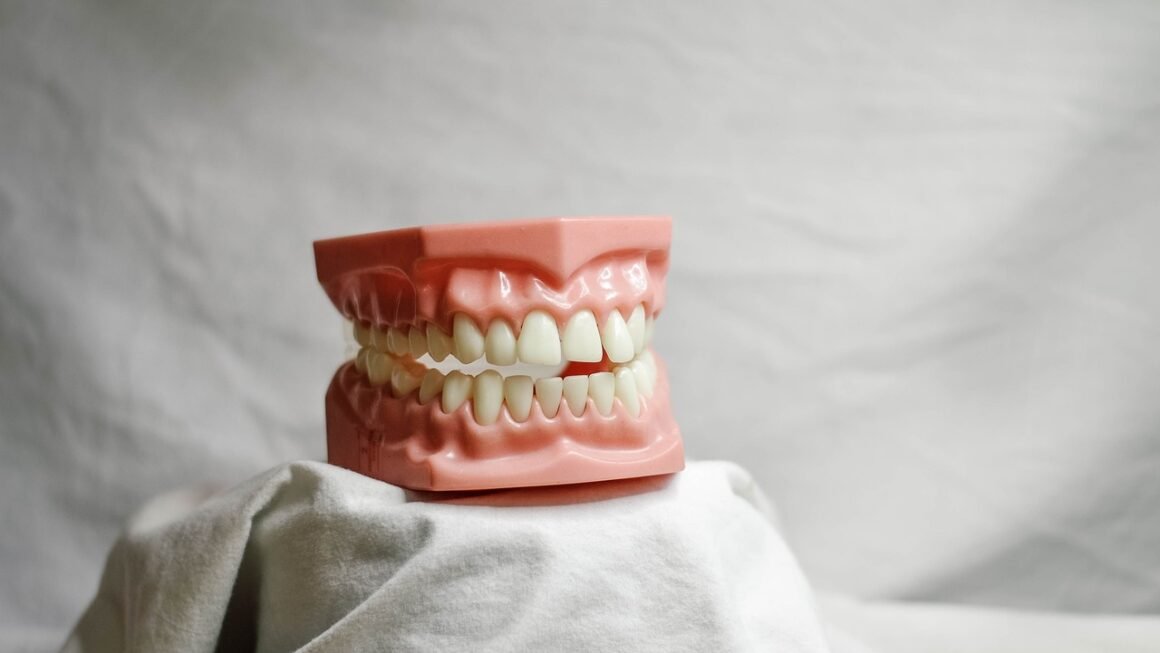
Maintaining optimal dental health is an investment in your overall well-being, influencing everything from your self-esteem to your ability to enjoy your favorite foods. However, achieving and maintaining a healthy smile requires more than just brushing and flossing. A thorough understanding of proper oral hygiene practices, preventive care, and potential risks is essential. This blog post will delve into the core elements of dental health education, providing you with the knowledge and tools to take proactive steps towards a brighter, healthier future.
The Foundation: Understanding Oral Hygiene Basics
Brushing Techniques: The Cornerstone of a Healthy Smile
Proper brushing is the first line of defense against plaque and bacteria. It’s not just about the frequency, but also the technique.
- Frequency: Brush at least twice a day, once in the morning and once before bed.
- Technique: Use a soft-bristled toothbrush and fluoride toothpaste. Hold the brush at a 45-degree angle to your gums and use gentle, circular motions. Make sure to brush all surfaces of each tooth – the outer, inner, and chewing surfaces.
- Duration: Brush for at least two minutes each time. A helpful tip is to divide your mouth into quadrants and spend 30 seconds on each.
- Tongue Cleaning: Don’t forget to brush your tongue to remove bacteria and freshen your breath. You can also use a tongue scraper.
- Practical Example: Many electric toothbrushes have built-in timers that ensure you brush for the recommended two minutes. They also often alert you if you are brushing too hard, preventing damage to your gums.
Flossing: Reaching the Unreachable
Flossing removes plaque and food particles from between your teeth and under the gumline, areas your toothbrush can’t reach.
- Frequency: Floss at least once a day, preferably before brushing.
- Technique: Use about 18 inches of floss, wrapping most of it around your middle fingers. Gently guide the floss between your teeth using a sawing motion. When the floss reaches the gumline, curve it into a “C” shape around each tooth and slide it gently up and down.
- Type of Floss: Experiment with different types of floss to find one you like, such as waxed, unwaxed, or flavored floss. If you have tight spaces between your teeth, consider using a floss threader.
- Practical Example: If you find traditional flossing difficult, consider using interdental brushes or water flossers. These can be particularly helpful for people with braces or arthritis.
The Role of Fluoride
Fluoride is a naturally occurring mineral that strengthens tooth enamel and helps prevent tooth decay.
- Sources of Fluoride:
Fluoridated Water: Many communities add fluoride to their drinking water. Check with your local water authority to see if your water is fluoridated.
Fluoride Toothpaste: Use a toothpaste that contains fluoride.
Fluoride Mouthwash: Rinse with a fluoride mouthwash daily, especially if you are at high risk for tooth decay.
Professional Fluoride Treatments: Your dentist can apply fluoride varnish or gel to your teeth during your checkups.
- Practical Example: If you live in an area without fluoridated water, talk to your dentist about fluoride supplements, especially for children.
Nutrition and Oral Health: The Food-Smile Connection
Foods to Embrace for a Healthier Smile
What you eat significantly impacts your dental health. Certain foods promote strong teeth and healthy gums.
- Calcium-Rich Foods: Dairy products like milk, cheese, and yogurt are excellent sources of calcium, which strengthens tooth enamel.
- Crunchy Fruits and Vegetables: Apples, carrots, and celery stimulate saliva production, which helps neutralize acids and wash away food particles. Their texture also provides a natural scrubbing action.
- Leafy Green Vegetables: Spinach, kale, and other leafy greens are rich in vitamins and minerals that are essential for overall health, including dental health.
- Practical Example: Snacking on a handful of almonds can help satisfy hunger and provide a dose of calcium.
Foods and Drinks to Limit or Avoid
Certain foods and drinks can contribute to tooth decay and other oral health problems.
- Sugary Foods and Drinks: Bacteria in your mouth feed on sugar, producing acids that erode tooth enamel. Limit your intake of candy, soda, juice, and processed foods.
- Acidic Foods and Drinks: Citrus fruits, tomatoes, and vinegar can erode tooth enamel. Rinse your mouth with water after consuming acidic foods or drinks.
- Sticky Foods: Foods like caramel and gummy candies stick to your teeth, providing a breeding ground for bacteria.
- Practical Example: Instead of sugary soda, opt for water or unsweetened tea. If you do indulge in a sweet treat, brush your teeth afterwards or at least rinse your mouth with water.
Hydration: The Silent Hero of Oral Health
Water is crucial for overall health, and it plays a vital role in oral health as well.
- Saliva Production: Water helps stimulate saliva production, which neutralizes acids, washes away food particles, and helps prevent tooth decay.
- Hydration Benefits: Staying hydrated helps prevent dry mouth, which can increase the risk of tooth decay and gum disease.
- Practical Example: Carry a water bottle with you throughout the day and sip on it regularly.
The Importance of Regular Dental Checkups
Professional Cleanings: Beyond Brushing and Flossing
Even with diligent brushing and flossing, plaque and tartar can build up on your teeth. Professional cleanings remove these deposits, preventing gum disease and tooth decay.
- Benefits of Professional Cleaning:
Removes plaque and tartar buildup
Polishes teeth to remove stains
Allows your dentist to detect early signs of dental problems
- Practical Example: Schedule a dental cleaning every six months, or more frequently if recommended by your dentist.
Early Detection and Prevention: The Key to Long-Term Oral Health
Regular dental checkups allow your dentist to detect and treat dental problems early, before they become more serious and costly.
- Early Detection of:
Tooth decay
Gum disease
Oral cancer
Other oral health problems
- Practical Example: Don’t wait until you have a toothache to see your dentist. Regular checkups are crucial for preventing problems from developing in the first place.
Diagnostic Tools: X-rays and Examinations
Dental X-rays and comprehensive examinations allow your dentist to see what’s happening beneath the surface of your teeth and gums.
- Dental X-rays can reveal:
Cavities
Bone loss
Impacted teeth
Other dental problems
- Practical Example: Discuss the frequency of X-rays with your dentist. The frequency will vary depending on your individual needs and risk factors.
Addressing Specific Oral Health Concerns
Gum Disease (Periodontitis): A Silent Threat
Gum disease is an infection of the gums that can damage the soft tissue and bone that support your teeth.
- Symptoms of Gum Disease:
Red, swollen, or bleeding gums
Persistent bad breath
Receding gums
Loose teeth
- Prevention and Treatment:
Good oral hygiene
Regular dental checkups
Professional cleanings
Scaling and root planing
- Practical Example: If you notice any signs of gum disease, see your dentist immediately. Early treatment can prevent the disease from progressing and causing serious damage.
Tooth Decay (Caries): The Most Common Dental Problem
Tooth decay is the destruction of tooth enamel caused by acids produced by bacteria in your mouth.
- Symptoms of Tooth Decay:
Tooth sensitivity
Toothache
Visible holes in teeth
- Prevention and Treatment:
Good oral hygiene
Limiting sugary and acidic foods and drinks
Fluoride treatments
Dental fillings
- Practical Example: Sealants are a thin plastic coating that can be applied to the chewing surfaces of molars to protect them from tooth decay. They are especially effective for children.
Oral Cancer: Early Detection Saves Lives
Oral cancer is a serious disease that can affect any part of the mouth.
- Risk Factors for Oral Cancer:
Tobacco use
Excessive alcohol consumption
Human papillomavirus (HPV) infection
- Early Detection:
Regular dental checkups
Self-exams
- *Practical Example: Perform a self-exam of your mouth regularly. Look for any sores, lumps, or changes in color. If you notice anything unusual, see your dentist or doctor immediately.
Conclusion
Prioritizing dental health education is paramount for achieving and maintaining a healthy, radiant smile. By understanding and implementing the principles of proper oral hygiene, nutrition, and preventive care, you can significantly reduce your risk of dental problems and enjoy a lifetime of healthy teeth and gums. Regular dental checkups, coupled with a proactive approach to your oral health, are the cornerstones of a confident and healthy you. Embrace these practices, and your smile will thank you for years to come.