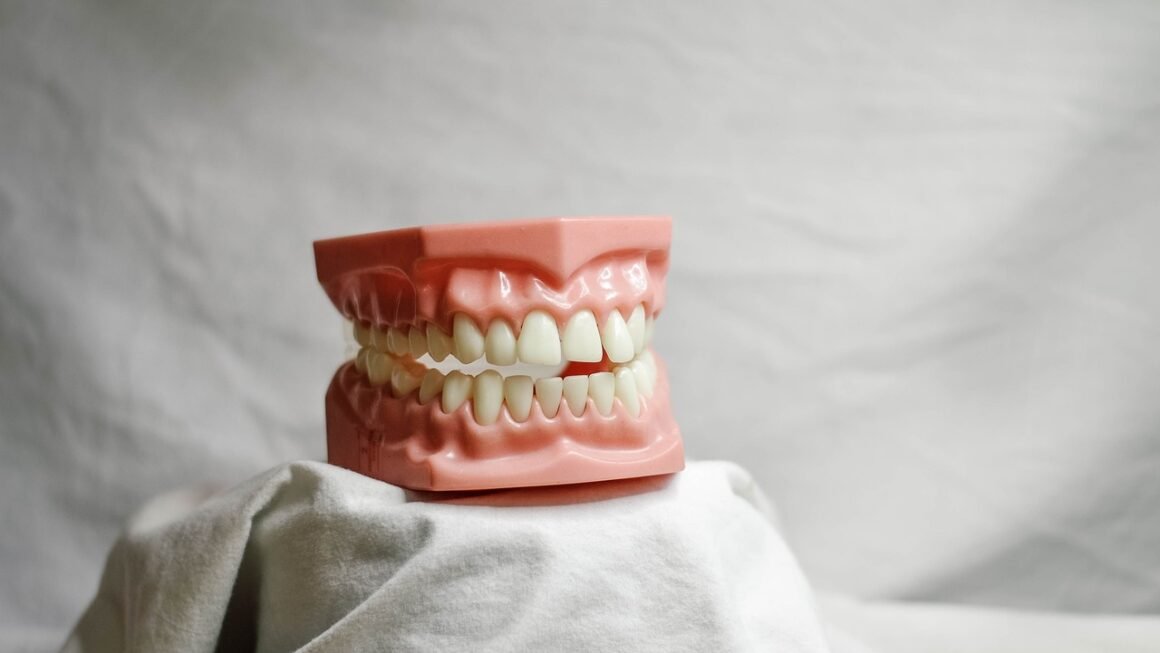
Brushing your teeth is something you’ve probably been doing since you were a toddler, but are you doing it correctly? This seemingly simple act is the cornerstone of good oral hygiene and overall health. In this comprehensive guide, we’ll delve into the proper techniques, tools, and tips to ensure you’re getting the most out of your tooth brushing routine. Learn how to achieve a brighter, healthier smile and protect your teeth from decay and gum disease.
The Importance of Tooth Brushing
Why Brush Your Teeth?
Regular tooth brushing is essential for removing plaque and food debris from your teeth. Plaque is a sticky film of bacteria that constantly forms on our teeth. If not removed, it can lead to:
- Tooth decay: Plaque produces acids that erode tooth enamel, causing cavities.
- Gum disease (gingivitis): Plaque irritates the gums, causing inflammation, redness, and bleeding.
- Bad breath (halitosis): Bacteria in plaque release foul-smelling gases.
- Tartar (calculus) buildup: Plaque hardens into tartar, which is much more difficult to remove and can contribute to more severe gum disease.
By brushing regularly, you disrupt the formation of plaque and prevent these issues, contributing to a healthier mouth and body.
The Connection Between Oral Health and Overall Health
Emerging research increasingly links oral health to overall health. Poor oral hygiene can contribute to:
- Heart disease: Bacteria from gum disease can enter the bloodstream and contribute to inflammation in the arteries. Studies have shown a correlation between gum disease and an increased risk of heart attack and stroke.
- Diabetes: Gum disease can make it more difficult to control blood sugar levels in people with diabetes. Conversely, poorly controlled diabetes can worsen gum disease.
- Respiratory infections: Bacteria from the mouth can be inhaled into the lungs, potentially leading to pneumonia or other respiratory infections, particularly in individuals with weakened immune systems.
- Pregnancy complications: Gum disease has been linked to premature birth and low birth weight.
Therefore, investing in good oral hygiene, including proper tooth brushing, is an investment in your overall well-being.
Choosing the Right Toothbrush and Toothpaste
Selecting the Right Toothbrush
The toothbrush you use plays a crucial role in effective cleaning. Consider these factors:
- Bristle softness: Opt for a soft-bristled toothbrush. Hard bristles can damage tooth enamel and irritate gums.
- Brush head size: Choose a brush head that allows you to reach all areas of your mouth comfortably. A smaller head is often easier to maneuver, especially for reaching back teeth.
- Handle design: Select a handle that provides a comfortable grip and allows for precise control during brushing.
- Electric toothbrushes: Electric toothbrushes can be more effective at removing plaque and are especially helpful for people with limited dexterity. Look for features like built-in timers and pressure sensors. Consult with your dentist to see if an electric toothbrush is right for you.
Example: A soft-bristled toothbrush with a small, angled head and a comfortable grip is a good starting point for most people.
Choosing the Right Toothpaste
Toothpaste contains ingredients that help clean and protect your teeth. Look for these features:
- Fluoride: Fluoride strengthens tooth enamel and helps prevent cavities. Ensure your toothpaste contains fluoride, typically around 1350-1500 ppm (parts per million).
- ADA Seal of Acceptance: The American Dental Association (ADA) Seal of Acceptance indicates that the toothpaste has been evaluated for safety and effectiveness.
- Ingredients for specific needs:
- Sensitivity: Look for toothpaste containing potassium nitrate or stannous fluoride.
- Tartar control: Some toothpaste contains pyrophosphates or zinc citrate to help prevent tartar buildup.
- Whitening: Whitening toothpaste often contains abrasives or chemicals that help remove surface stains. Use with caution as overuse can damage enamel.
Example: A toothpaste containing fluoride and the ADA Seal of Acceptance is a good choice for general oral hygiene. If you have sensitive teeth, choose a toothpaste specifically formulated for sensitivity.
The Proper Tooth Brushing Technique
Step-by-Step Guide to Effective Brushing
Follow these steps for a thorough and effective brushing routine:
- Wet your toothbrush: Lightly moisten the bristles.
- Apply toothpaste: Use a pea-sized amount of fluoride toothpaste.
- Position the brush: Hold the toothbrush at a 45-degree angle to your gums.
- Brush gently: Use small, circular motions to clean each tooth. Avoid scrubbing vigorously, which can damage enamel and gums.
- Clean all surfaces: Brush the outer, inner, and chewing surfaces of each tooth.
- Reach back teeth: Pay special attention to the back teeth, as they are more prone to decay.
- Brush your tongue: Gently brush your tongue to remove bacteria and freshen your breath.
- Rinse thoroughly: Rinse your mouth with water after brushing to remove toothpaste and debris.
Actionable Takeaway: Spend at least two minutes brushing, ensuring you cover all surfaces of your teeth.
Addressing Common Brushing Mistakes
Many people make common mistakes that reduce the effectiveness of their brushing. Be aware of these pitfalls:
- Brushing too hard: This can erode enamel and damage gums.
- Brushing for too short a time: Aim for at least two minutes of brushing.
- Neglecting certain areas: Make sure to reach all surfaces of all teeth, especially the back teeth.
- Using a worn-out toothbrush: Replace your toothbrush every three months, or sooner if the bristles are frayed.
- Not brushing before bed: Brushing before bed is crucial to remove plaque that accumulates throughout the day.
Example: If your gums are bleeding after brushing, you may be brushing too hard or have early signs of gum disease. Consult with your dentist.
Beyond Brushing: A Comprehensive Oral Hygiene Routine
The Importance of Flossing
Flossing is an essential complement to brushing. It removes plaque and food particles from between your teeth, where your toothbrush can’t reach. Floss at least once a day, preferably before brushing.
- Types of floss: Choose waxed or unwaxed floss, or floss picks, based on your preference and the tightness of your teeth.
- Flossing technique: Gently slide the floss between your teeth and use a sawing motion to remove plaque. Be sure to floss below the gumline.
Actionable Takeaway: Incorporate flossing into your daily oral hygiene routine for optimal results.
Additional Oral Hygiene Practices
Consider these additional practices to enhance your oral hygiene:
- Mouthwash: Use an antiseptic mouthwash to kill bacteria and freshen your breath. Fluoride mouthwash can provide additional protection against cavities.
- Tongue scraping: Use a tongue scraper to remove bacteria and debris from your tongue.
- Regular dental checkups: Visit your dentist for regular checkups and cleanings. Professional cleanings remove tartar and plaque that you can’t remove at home.
- Dietary considerations: Limit sugary snacks and drinks, as they contribute to tooth decay.
Example: Rinse with fluoride mouthwash after brushing to provide extra protection against cavities, especially if you are prone to tooth decay.
Troubleshooting Common Tooth Brushing Issues
Addressing Sensitive Teeth
If you experience tooth sensitivity, try these tips:
- Use desensitizing toothpaste: These toothpaste contain ingredients like potassium nitrate that help block pain signals.
- Brush gently: Avoid scrubbing too hard, which can worsen sensitivity.
- Use a soft-bristled toothbrush: This will minimize irritation.
- Avoid acidic foods and drinks: These can erode enamel and increase sensitivity.
- See your dentist: Sensitivity could be a sign of a more serious problem, such as tooth decay or gum recession.
Actionable Takeaway: Use a desensitizing toothpaste daily and consult your dentist if sensitivity persists.
Managing Gum Bleeding
If your gums bleed when you brush, it could be a sign of gum disease. Take these steps:
- Brush and floss regularly: Removing plaque is crucial for reducing gum inflammation.
- Use a soft-bristled toothbrush: Avoid brushing too hard.
- See your dentist: Bleeding gums could be a sign of gingivitis or periodontitis, which require professional treatment.
- Use an antiseptic mouthwash: This can help reduce bacteria and inflammation.
Example: If bleeding persists despite improving your brushing and flossing technique, schedule an appointment with your dentist to rule out more serious gum problems.
Conclusion
Mastering the art of tooth brushing is a simple yet powerful way to protect your oral and overall health. By choosing the right tools, using the proper technique, and incorporating flossing and other oral hygiene practices into your daily routine, you can achieve a brighter, healthier smile and prevent a range of dental and medical problems. Remember to consult with your dentist regularly for personalized advice and professional care. Make tooth brushing a priority, and your smile will thank you for it.