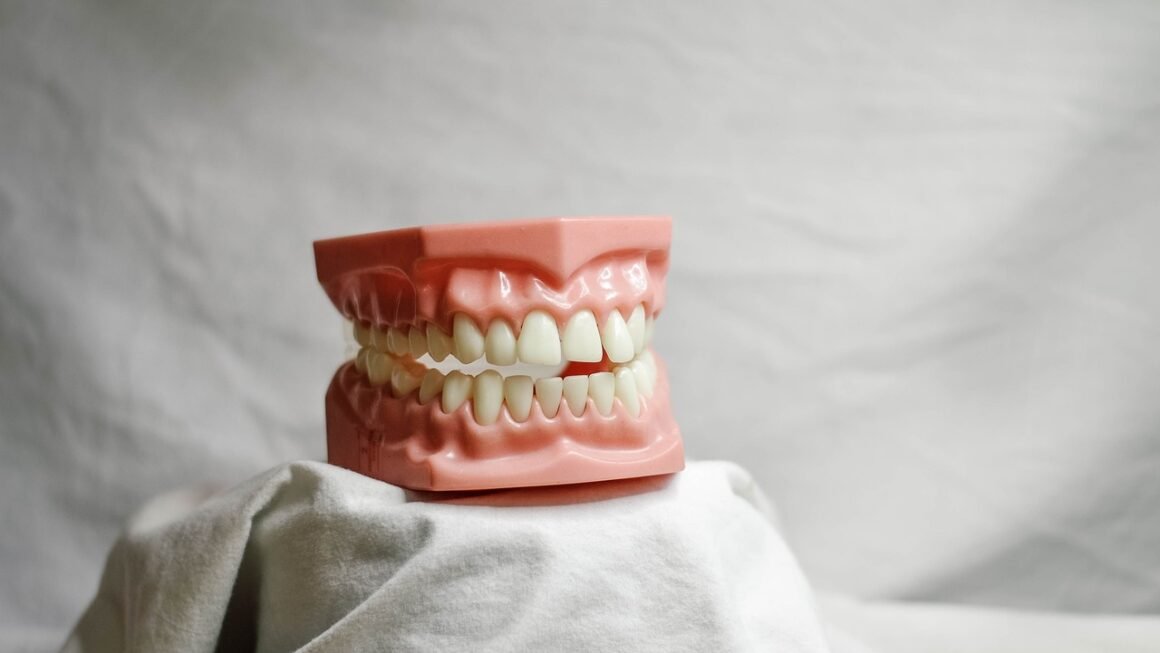
Cavities, also known as tooth decay, are among the most common health problems worldwide. They’re essentially damaged areas on the hard surface of your teeth that develop into tiny openings or holes. While seemingly small at first, they can lead to significant pain, infection, and even tooth loss if left untreated. But the good news is that cavities are largely preventable! This guide provides comprehensive strategies to safeguard your smile and keep your teeth healthy for years to come.
Understanding Cavities: The Root of the Problem
What Causes Cavities?
Cavities are caused by a complex interplay of factors. It all starts with plaque, a sticky film of bacteria that constantly forms on your teeth. These bacteria feed on sugars and carbohydrates from the food and drinks we consume, producing acids as a byproduct. Over time, these acids erode tooth enamel, the protective outer layer of your teeth, leading to the formation of cavities.
- Bacteria: Specific types of bacteria, like Streptococcus mutans, are particularly effective at producing acid.
- Sugary/Starchy Foods: Frequent consumption of sugary drinks, sweets, and starchy foods (like bread and pasta) provides fuel for bacteria.
- Poor Oral Hygiene: Infrequent brushing and flossing allow plaque to accumulate and acids to attack the enamel.
- Dry Mouth: Saliva helps neutralize acids and wash away food debris. A lack of saliva increases the risk of cavities.
- Tooth Location: Molars and premolars, with their grooves and pits, are harder to clean and more prone to cavities.
The Progression of Tooth Decay
Understanding how tooth decay progresses helps in early detection and prevention:
Mastering Oral Hygiene: Your Daily Defense
Brushing Techniques
Effective brushing is crucial for removing plaque and preventing cavities.
- Brush Twice a Day: Aim for brushing for two minutes, twice a day – once in the morning and once before bed.
- Use Fluoride Toothpaste: Fluoride strengthens enamel and helps repair early signs of decay. Choose a toothpaste approved by the American Dental Association (ADA).
- Proper Technique: Use a soft-bristled toothbrush and gently brush in small, circular motions, covering all surfaces of each tooth. Don’t forget to brush your tongue to remove bacteria and freshen your breath.
- Replace Your Toothbrush Regularly: Change your toothbrush every three to four months, or sooner if the bristles are frayed.
The Power of Flossing
Flossing reaches areas that your toothbrush can’t, removing plaque and food particles between your teeth and along the gumline.
- Floss Daily: Make flossing a daily habit, preferably before bedtime.
- Correct Flossing Technique: Use about 18 inches of floss, wrapping it around your middle fingers, leaving a few inches to work with. Gently slide the floss between your teeth, curving it into a “C” shape against each tooth. Use a clean section of floss for each tooth.
- Alternatives to Floss: If you find traditional flossing difficult, consider using interdental brushes or water flossers.
Mouthwash Magic
While not a substitute for brushing and flossing, mouthwash can provide an extra layer of protection.
- Choose a Fluoride Mouthwash: Rinse with a fluoride mouthwash after brushing to help strengthen enamel.
- Antiseptic Mouthwash: Consider an antiseptic mouthwash to kill bacteria and reduce plaque.
- Rinse Correctly: Follow the instructions on the mouthwash label. Typically, you’ll rinse for 30 seconds and avoid swallowing.
Dietary Adjustments: Starving the Bacteria
Limiting Sugar Intake
Sugar is the primary fuel source for cavity-causing bacteria. Reducing your sugar intake is one of the most effective ways to prevent cavities.
- Read Food Labels: Be mindful of added sugars in processed foods, drinks, and sauces.
- Limit Sugary Drinks: Avoid soda, juice, and sweetened beverages. Opt for water, unsweetened tea, or sparkling water.
- Choose Healthy Snacks: Instead of sugary snacks, choose fruits, vegetables, nuts, or cheese.
- Reduce Frequency: It’s not just about the amount of sugar you consume, but also the frequency. Snacking on sugary foods throughout the day provides a constant supply of fuel for bacteria.
Strategic Snacking
- Snack Smart: If you do snack, choose foods that are less likely to cause cavities, such as raw vegetables, cheese, or nuts.
- Rinse After Eating: If you can’t brush after eating, rinse your mouth with water to help remove food particles and dilute acids.
Hydration is Key
- Drink Plenty of Water: Water helps wash away food debris and stimulates saliva production.
- Fluoridated Water: If your community has fluoridated water, drinking it can significantly reduce your risk of cavities.
Professional Dental Care: Your Partner in Prevention
Regular Check-ups and Cleanings
- Schedule Routine Visits: Visit your dentist for check-ups and cleanings every six months, or as recommended by your dentist.
- Professional Cleaning: Professional cleanings remove plaque and tartar (hardened plaque) that you can’t remove with brushing and flossing.
- Early Detection: Regular check-ups allow your dentist to detect cavities early, when they’re easier and less expensive to treat.
Fluoride Treatments
- In-Office Fluoride: Your dentist may apply fluoride varnish or gel to your teeth to strengthen enamel and prevent decay.
- Prescription Fluoride: If you’re at high risk for cavities, your dentist may prescribe a higher-concentration fluoride toothpaste or rinse.
Sealants
- Protective Barrier: Dental sealants are thin plastic coatings applied to the chewing surfaces of molars and premolars. They create a barrier that prevents bacteria and food particles from accumulating in the grooves and pits of these teeth.
- Ideal for Children and Teens: Sealants are especially effective for children and teenagers, as their molars are more susceptible to decay.
- Long-Lasting Protection: Sealants can last for several years, providing long-term protection against cavities.
Conclusion
Preventing cavities is a lifelong commitment that involves a combination of good oral hygiene practices, dietary adjustments, and regular professional dental care. By understanding the causes of cavities and adopting these preventive measures, you can significantly reduce your risk of tooth decay and maintain a healthy, beautiful smile. Remember, prevention is always better (and cheaper!) than cure. Make these habits a part of your daily routine, and consult with your dentist for personalized advice and treatment plans.