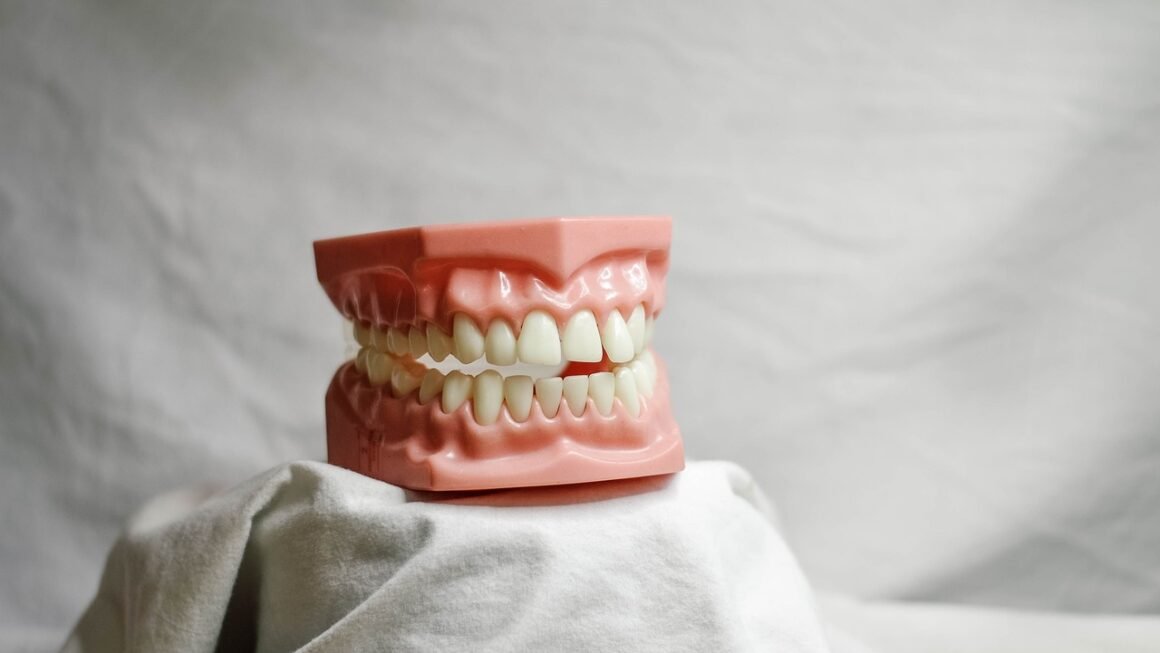
Oral health is a cornerstone of overall well-being, extending far beyond just a bright smile. A proactive approach to oral care can prevent a myriad of problems, from cavities and gum disease to more serious health conditions linked to poor oral hygiene. Choosing the right oral care products can make all the difference in achieving and maintaining a healthy mouth. This guide delves into the essentials, helping you navigate the world of toothbrushes, toothpaste, mouthwash, and more, ensuring you make informed decisions for a healthier you.
The Foundation: Toothbrushes
Choosing the Right Toothbrush
Selecting the appropriate toothbrush is the first step towards effective oral hygiene. The market offers a wide variety, from manual to electric, with different bristle types and head sizes.
- Manual Toothbrushes: These are affordable and readily available. Look for soft bristles to avoid damaging your gums and tooth enamel. Replace your toothbrush every three months, or sooner if the bristles become frayed.
Example: Opt for a toothbrush with a small head to easily reach all areas of your mouth, including the back teeth.
- Electric Toothbrushes: Electric toothbrushes offer several advantages, including built-in timers and oscillating/rotating or sonic technology that provides a more thorough clean. Studies have shown they can be more effective at removing plaque and reducing gingivitis.
Example: Consider an electric toothbrush with a pressure sensor to prevent brushing too hard, which can harm your gums.
- Bristle Type: Always choose soft or extra-soft bristles. Hard bristles can erode enamel and irritate gums.
- Handle Design: Look for a comfortable grip that allows you to easily maneuver the toothbrush around your mouth.
Toothbrushing Techniques
Simply having the right toothbrush isn’t enough; proper technique is essential. The American Dental Association recommends brushing for two minutes, twice a day.
- The Bass Technique: This technique involves angling the bristles at a 45-degree angle towards the gumline and using gentle, short strokes. This helps to clean along and slightly under the gumline.
- Circular Motions: Use small, circular motions to clean each tooth.
- Don’t Forget the Tongue: Gently brush your tongue to remove bacteria and freshen your breath.
- Timer: Use a timer (many electric toothbrushes have them built-in) to ensure you brush for the recommended two minutes. Studies have shown most people only brush for about 45 seconds without a timer.
The Workhorse: Toothpaste
Understanding Toothpaste Ingredients
Toothpaste plays a crucial role in removing plaque and strengthening teeth. Choosing the right toothpaste involves understanding its key ingredients.
- Fluoride: Fluoride is the most important ingredient in toothpaste. It strengthens tooth enamel, making it more resistant to acid attacks from bacteria and sugars. Look for toothpaste with 1350-1500 ppm (parts per million) fluoride for optimal protection.
Example: For children under 6, use a toothpaste with a lower fluoride concentration and supervise brushing to prevent swallowing.
- Abrasives: Abrasives help remove surface stains and debris. Common abrasives include hydrated silica, calcium carbonate, and dicalcium phosphate. Look for toothpaste with a Relative Dentin Abrasivity (RDA) score of 250 or less to minimize the risk of enamel abrasion.
- Flavoring Agents: Flavoring agents, such as mint, improve the taste of toothpaste and encourage regular brushing.
- Specialized Toothpastes: Various specialized toothpastes cater to specific needs, such as:
Whitening Toothpaste: Contains mild abrasives or chemical agents to help remove surface stains.
Sensitive Toothpaste: Contains ingredients like potassium nitrate or stannous fluoride to block pain signals from reaching the nerves.
Tartar Control Toothpaste: Contains ingredients like pyrophosphates or zinc citrate to help prevent tartar buildup.
Natural Toothpaste: Often excludes fluoride, artificial sweeteners, and harsh abrasives. While these can be a good option for individuals with sensitivities, ensure they contain ingredients that effectively clean and protect teeth.
How to Use Toothpaste Effectively
- Pea-Sized Amount: Use only a pea-sized amount of toothpaste on your toothbrush.
- Thorough Coverage: Ensure the toothpaste reaches all surfaces of your teeth.
- Spit, Don’t Rinse: After brushing, spit out the toothpaste but avoid rinsing immediately. This allows the fluoride to remain on your teeth and provide maximum protection.
The Complement: Mouthwash
Types of Mouthwash
Mouthwash can supplement brushing and flossing, providing additional benefits such as reducing plaque, freshening breath, and preventing gingivitis.
- Fluoride Mouthwash: Helps strengthen tooth enamel and prevent cavities.
- Antiseptic Mouthwash: Contains ingredients like chlorhexidine or cetylpyridinium chloride (CPC) to kill bacteria and reduce plaque.
Example: Chlorhexidine mouthwash is often prescribed by dentists for short-term use after oral surgery or to treat gingivitis.
- Cosmetic Mouthwash: Primarily freshens breath and may contain ingredients that temporarily reduce plaque.
- Alcohol-Free Mouthwash: Avoid mouthwashes containing alcohol, as they can dry out the mouth and contribute to bad breath.
Using Mouthwash Correctly
- Rinse After Brushing and Flossing: Use mouthwash after brushing and flossing to reach areas that may be missed.
- Swish Vigorously: Swish the mouthwash around your mouth for 30-60 seconds, ensuring it reaches all areas.
- Don’t Swallow: Spit out the mouthwash after rinsing.
- Timing: Avoid eating or drinking for at least 30 minutes after using mouthwash to allow it to work effectively.
The Essential: Floss and Interdental Cleaners
Why Flossing is Crucial
Flossing removes plaque and food particles from between your teeth, where your toothbrush can’t reach. It’s essential for preventing cavities and gum disease.
- Types of Floss:
Waxed Floss: Easier to slide between tight teeth.
Unwaxed Floss: Thinner than waxed floss and may be preferred for very tight spaces.
Floss Picks: Convenient for on-the-go flossing.
Dental Tape: Wider than regular floss and may be more comfortable for people with larger spaces between their teeth.
How to Floss Properly
- Use About 18 Inches of Floss: Wrap the ends around your middle fingers, leaving a few inches to work with.
- Gently Guide the Floss: Use a sawing motion to guide the floss between your teeth.
- Curve the Floss: Curve the floss around each tooth in a “C” shape and gently slide it up and down, reaching just below the gumline.
- Use a Clean Section of Floss: Use a clean section of floss for each tooth.
Interdental Brushes and Other Cleaners
Interdental brushes are small brushes designed to clean between teeth. They are particularly useful for people with larger spaces between their teeth or who have difficulty using floss. Water flossers (oral irrigators) can also be a helpful addition to your oral hygiene routine, using a stream of water to remove plaque and debris.
- Example: People with braces or dental implants may find interdental brushes and water flossers especially beneficial.
Conclusion
Maintaining excellent oral hygiene is an investment in your overall health and well-being. By choosing the right oral care products – including a suitable toothbrush, fluoride toothpaste, effective mouthwash, and floss or interdental cleaners – and using them correctly, you can significantly reduce your risk of dental problems and enjoy a healthy, confident smile for years to come. Remember to consult with your dentist regularly for professional cleanings and personalized recommendations to optimize your oral care routine.