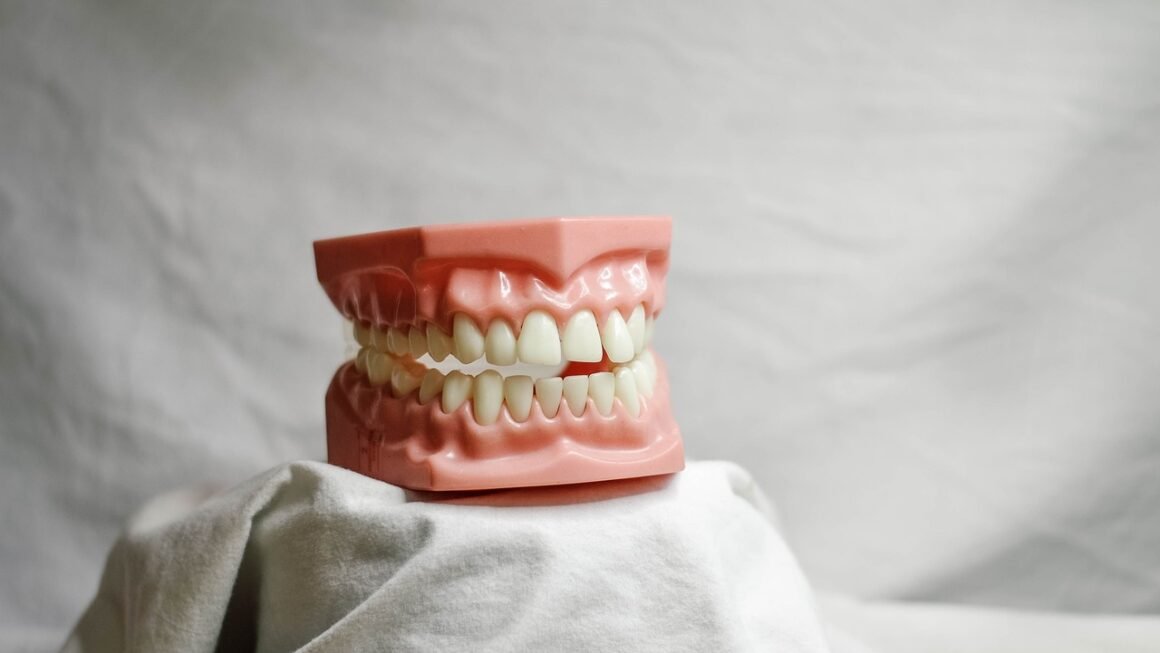
Worried about those pesky cavities? You’re not alone! Tooth decay is one of the most common chronic diseases worldwide, but the good news is that it’s also largely preventable. By understanding the causes of cavities and adopting a few simple habits, you can significantly reduce your risk and maintain a healthy, sparkling smile for years to come. Let’s dive into the world of cavity prevention and discover how you can safeguard your dental health.
Understanding Cavities: The Root Cause
What Exactly is a Cavity?
A cavity, also known as tooth decay or dental caries, is damage to the hard surface of your teeth. This damage creates tiny holes or pits. Cavities are caused by a combination of factors, including bacteria in your mouth, frequent snacking, sugary drinks, and poor oral hygiene. When you eat sugary or starchy foods, the bacteria in your mouth produce acids that attack the tooth enamel, leading to its breakdown.
The Cavity Formation Process
Understanding how cavities form is crucial for prevention:
- Plaque Formation: A sticky film called plaque constantly forms on your teeth. Plaque contains bacteria that feed on sugars and starches.
- Acid Attack: The bacteria in plaque produce acids that attack the enamel, the hard outer layer of your teeth.
- Enamel Erosion: Over time, repeated acid attacks erode the enamel, creating small holes.
- Cavity Development: If left untreated, the enamel erosion continues, and the decay can reach the dentin, the softer layer beneath the enamel. Eventually, it can reach the pulp, which contains nerves and blood vessels, causing pain and infection.
Mastering the Art of Brushing
Choosing the Right Toothbrush
The foundation of cavity prevention lies in proper brushing. Choosing the right toothbrush is the first step:
- Soft Bristles: Opt for a toothbrush with soft bristles to avoid damaging your gums and enamel.
- Size Matters: Select a brush head size that allows you to easily reach all areas of your mouth.
- Electric or Manual?: Both electric and manual toothbrushes can be effective. Electric toothbrushes often have timers and pressure sensors, which can help improve brushing technique.
The Perfect Brushing Technique
Brushing correctly is just as important as brushing regularly. Here’s how to do it:
- Brush Twice a Day: Brush your teeth at least twice a day, ideally after meals, for two minutes each time.
- Angled Approach: Hold your toothbrush at a 45-degree angle to your gums.
- Gentle Circular Motions: Use gentle, circular motions to clean each tooth surface.
- Reach All Areas: Be sure to reach the inner, outer, and chewing surfaces of all teeth.
- Don’t Forget the Tongue: Brush your tongue to remove bacteria and freshen your breath.
- Example: Imagine you are cleaning each tooth individually, spending about 30 seconds per quadrant of your mouth (upper right, upper left, lower right, lower left).
Flossing: Reaching the Unreachable
Why Flossing is Essential
Brushing alone cannot reach all the areas between your teeth and along the gumline where plaque and food particles accumulate. That’s where flossing comes in. Flossing removes plaque and debris from these hard-to-reach areas, preventing cavities and gum disease.
The Correct Flossing Technique
Follow these steps for effective flossing:
- Use Enough Floss: Use about 18 inches of floss and wind most of it around your middle fingers, leaving a few inches to work with.
- Gentle Glide: Gently guide the floss between your teeth using a sawing motion.
- Curve Around the Tooth: Curve the floss around each tooth in a “C” shape and slide it gently under the gumline.
- Up and Down Motion: Use an up-and-down motion to scrape the plaque and debris away from the tooth.
- Use a Clean Section: Use a clean section of floss for each tooth.
- Frequency: Floss at least once a day, preferably before bedtime.
- Example: Don’t just snap the floss between your teeth. Take your time to hug the floss against the side of each tooth and gently scrape upwards to remove plaque.
Dietary Strategies for Cavity Prevention
Limiting Sugar Intake
One of the most effective ways to prevent cavities is to limit your intake of sugary foods and drinks. Sugar is the primary fuel for the bacteria that cause tooth decay.
- Reduce Sugary Snacks: Avoid frequent snacking on sugary foods like candies, cookies, and pastries.
- Limit Sugary Drinks: Reduce your consumption of sugary drinks such as soda, juice, and sports drinks.
- Read Labels: Pay attention to food labels and choose products with lower sugar content.
- Example: Instead of reaching for a candy bar, opt for a piece of fruit or a handful of nuts. Replace sugary soda with water or unsweetened tea.
Choosing Tooth-Friendly Foods
Certain foods can actually help protect your teeth and prevent cavities:
- Fruits and Vegetables: These are naturally abrasive and can help clean your teeth.
- Dairy Products: Cheese, yogurt, and milk contain calcium and phosphates, which help strengthen tooth enamel.
- Nuts and Seeds: These stimulate saliva production, which helps neutralize acids and wash away food particles.
- Water: Drinking plenty of water helps rinse away food debris and keep your mouth hydrated.
The Power of Fluoride
How Fluoride Protects Your Teeth
Fluoride is a naturally occurring mineral that strengthens tooth enamel and makes it more resistant to acid attacks. It’s a powerful tool in cavity prevention.
- Strengthens Enamel: Fluoride helps to remineralize weakened enamel, reversing early signs of tooth decay.
- Inhibits Bacteria: Fluoride can also inhibit the growth of bacteria in plaque.
Sources of Fluoride
You can get fluoride from various sources:
- Fluoridated Toothpaste: Use a fluoride toothpaste twice a day.
- Fluoridated Water: Many communities add fluoride to their drinking water.
- Fluoride Mouthwash: Use a fluoride mouthwash as directed by your dentist.
- Fluoride Treatments: Your dentist may recommend professional fluoride treatments, especially if you are at high risk for cavities.
Regular Dental Check-ups
Why Regular Visits are Important
Regular dental check-ups are crucial for preventing cavities and maintaining good oral health. Your dentist can detect early signs of tooth decay and provide preventive treatments.
- Early Detection: Dentists can identify cavities in their early stages, when they are easier to treat.
- Professional Cleaning: Professional cleanings remove plaque and tartar buildup, which can contribute to tooth decay.
- Personalized Advice: Your dentist can provide personalized advice on oral hygiene practices and dietary habits.
- Fluoride Treatments: Dentists can provide professional fluoride treatments to strengthen your enamel.
- Example: Think of your dental check-up as a preventative maintenance visit for your teeth. Just like you get your car serviced regularly, your teeth need professional attention to stay healthy.
Conclusion
Preventing cavities is a lifelong commitment to good oral hygiene and healthy habits. By understanding the causes of tooth decay and adopting the strategies outlined in this guide – including proper brushing and flossing, limiting sugar intake, embracing fluoride, and attending regular dental check-ups – you can significantly reduce your risk of cavities and enjoy a healthy, radiant smile for years to come. Remember, a proactive approach to dental care is the best defense against cavities. Make these tips a part of your daily routine, and you’ll be well on your way to a cavity-free future!