Scheduling regular dental checkups isn’t just about maintaining a sparkling smile; it’s a crucial aspect of your overall health. From detecting early signs of oral cancer to preventing gum disease and decay, these appointments are an investment in your long-term well-being. But how often should you really be visiting the dentist? Let’s explore the ideal dental checkup schedule for you and your family.
Why Regular Dental Checkups are Essential
Early Detection of Dental Problems
One of the most significant benefits of regular dental checkups is the early detection of dental problems. Issues like cavities, gum disease (gingivitis and periodontitis), and even oral cancer can be identified and treated in their initial stages, preventing them from becoming more severe and costly to manage.
Example: A dentist can spot the earliest signs of tooth decay, even before you experience any pain. A small filling now can prevent the need for a root canal later.
Prevention of Oral Health Issues
Checkups aren’t just about fixing problems; they’re about preventing them. Professional cleaning removes plaque and tartar buildup that regular brushing and flossing can miss. This helps prevent gum disease and tooth decay. Your dentist can also provide advice on improving your oral hygiene habits.
- Professional Cleaning: Removes stubborn plaque and tartar.
- Oral Hygiene Advice: Personalized tips on brushing, flossing, and diet.
- Fluoride Treatments: Strengthens enamel and protects against decay.
Assessing Overall Health
Believe it or not, your oral health can provide clues about your overall health. Certain systemic diseases, like diabetes and heart disease, can manifest in the mouth. Dentists are often the first to notice these signs and can refer you to a medical professional for further evaluation.
Example: Swollen gums that bleed easily can be a sign of uncontrolled diabetes. A dentist may recommend a blood sugar test.
Determining Your Ideal Dental Checkup Schedule
The Standard Recommendation: Every Six Months
For many adults, a dental checkup every six months is the standard recommendation. This allows your dentist to monitor your oral health, identify any potential problems early, and provide preventative care.
Factors That May Require More Frequent Visits
However, the ideal frequency of dental checkups can vary depending on individual needs and risk factors. Some people may require more frequent visits, such as every three to four months, if they:
- Have a history of gum disease or cavities
- Have a weakened immune system
- Smoke or use tobacco products
- Have diabetes
- Wear dentures or other dental appliances
- Are pregnant
Example: Someone with a history of aggressive periodontitis will likely need more frequent cleanings and monitoring to prevent recurrence.
Factors That May Allow Less Frequent Visits
Conversely, some individuals with excellent oral hygiene and a low risk of dental problems may be able to space out their checkups to once a year, after consulting with their dentist.
What to Expect During a Dental Checkup
Examination
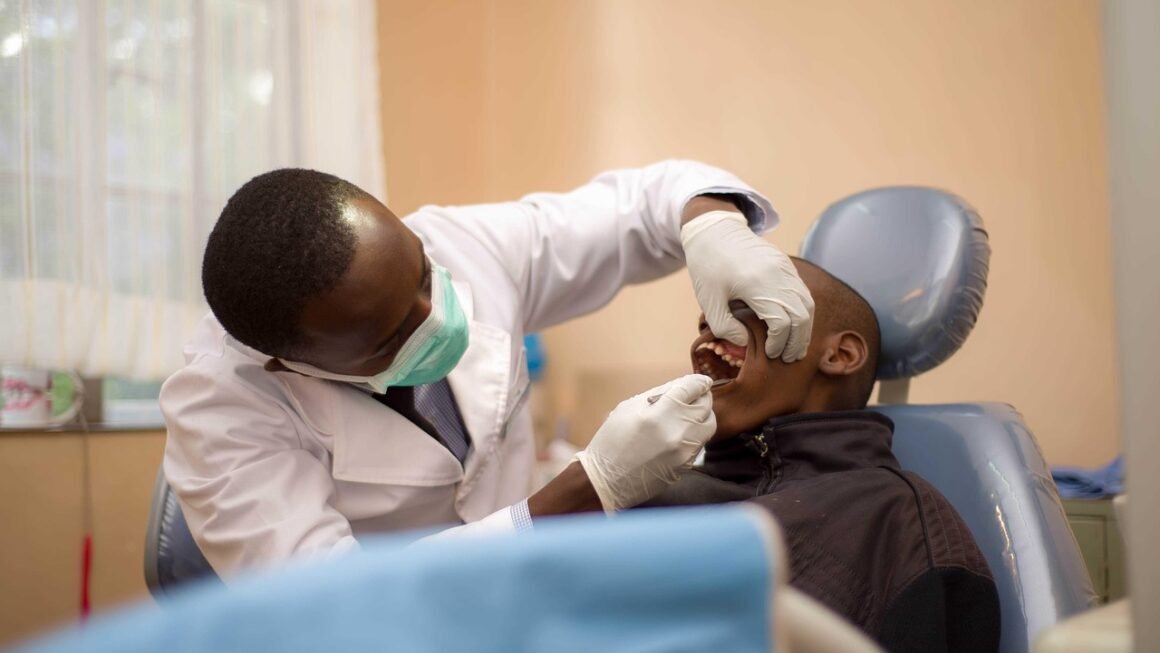
The dentist will thoroughly examine your teeth, gums, and mouth. This includes checking for cavities, gum disease, oral cancer, and any other abnormalities.
Professional Cleaning
A dental hygienist will remove plaque and tartar buildup from your teeth. This is typically done using specialized instruments and may be followed by polishing your teeth.
X-Rays (If Necessary)
X-rays are often taken to detect problems that are not visible to the naked eye, such as cavities between teeth, bone loss, or impacted teeth.
Frequency: The frequency of X-rays depends on your individual needs and risk factors, but they are typically taken every one to two years.
Oral Hygiene Instructions
Your dentist or hygienist will provide personalized advice on how to improve your oral hygiene habits. This may include demonstrating proper brushing and flossing techniques, recommending specific oral hygiene products, and discussing dietary changes.
Treatment Planning (If Necessary)
If any problems are detected, your dentist will develop a treatment plan to address them. This may involve fillings, root canals, extractions, or other procedures.
Dental Checkups for Children
When to Start
The American Academy of Pediatric Dentistry recommends that children have their first dental checkup by their first birthday or within six months of the eruption of their first tooth.
Frequency
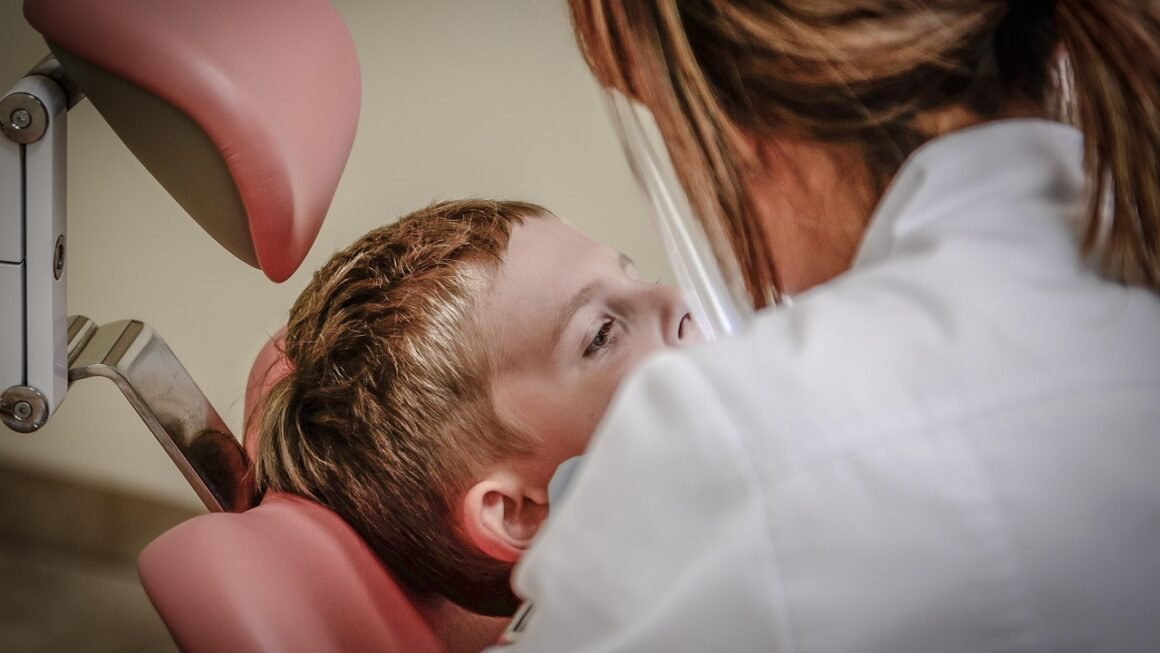
Children typically need dental checkups every six months, just like adults. However, the frequency may vary depending on their individual needs and risk factors.
Focus
Dental checkups for children focus on:
- Preventing tooth decay
- Monitoring the development of their teeth and jaws
- Providing education on proper oral hygiene habits
- Detecting any potential problems early
Example: Early detection of malocclusion (misalignment of teeth) allows for timely intervention with orthodontics, preventing more complex problems later in life.
Scheduling Your Next Appointment
Don’t Delay!
The best time to schedule your next dental checkup is now! Don’t wait until you experience pain or discomfort. Regular checkups are the best way to maintain a healthy smile and prevent dental problems from developing.
How to Schedule
Contact your dentist’s office by phone or through their website to schedule an appointment. Be sure to mention any specific concerns or questions you may have.
Conclusion
Regular dental checkups are a vital part of maintaining your oral and overall health. While a checkup every six months is a good starting point for many, the ideal frequency depends on individual needs and risk factors. By working closely with your dentist, you can determine the best schedule for you and your family, ensuring a lifetime of healthy smiles. Don’t underestimate the power of prevention; schedule your appointment today!