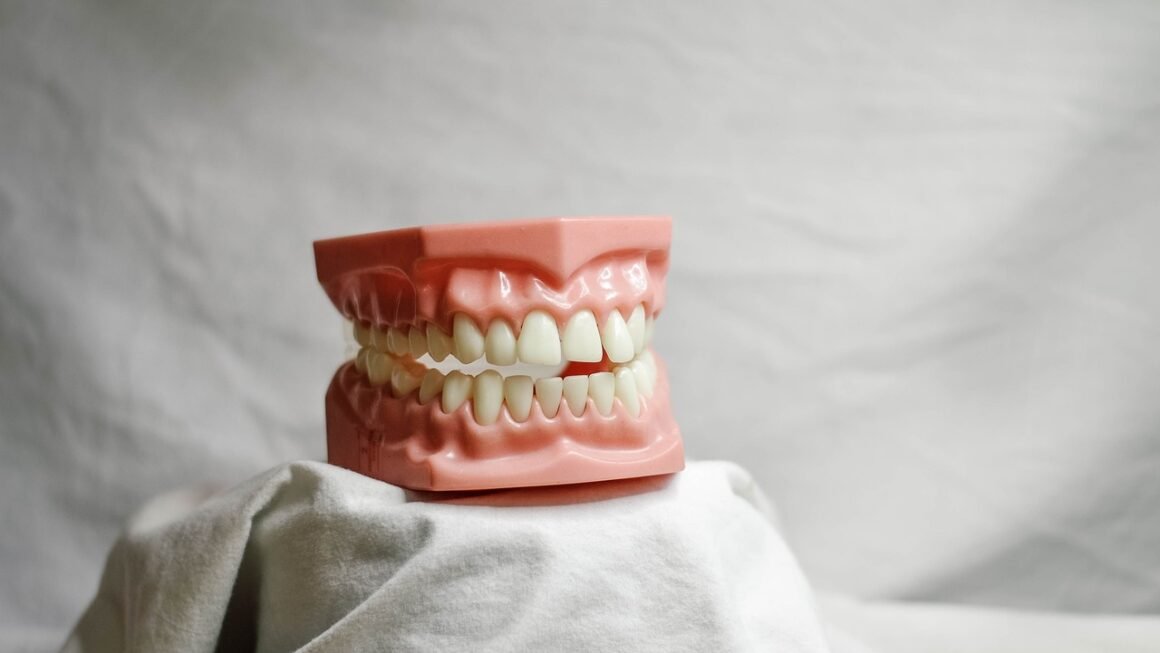
Dental health is about more than just a pretty smile; it’s a cornerstone of overall well-being. Understanding proper dental hygiene practices and staying informed on the latest advancements in oral care is crucial for preventing disease, maintaining confidence, and ensuring a healthier, happier life. This comprehensive guide delves into the vital aspects of dental hygiene education, providing you with the knowledge and tools to optimize your oral health.
The Importance of Dental Hygiene Education
Preventing Oral Diseases
Dental hygiene education is paramount in preventing a myriad of oral diseases. Untreated dental issues can lead to significant discomfort, expensive treatments, and even impact systemic health.
- Cavities (Dental Caries): Caused by bacteria feeding on sugars and producing acids that erode tooth enamel. Education on brushing techniques, flossing, and limiting sugary intake is crucial for prevention.
Example: Teaching children to brush for two minutes, twice a day, with fluoride toothpaste can significantly reduce cavity formation.
- Gingivitis: An early form of gum disease characterized by inflamed and bleeding gums. Proper brushing and flossing techniques, learned through education, can reverse gingivitis.
Example: A dental hygienist demonstrating the correct way to floss, reaching below the gumline, to remove plaque and bacteria.
- Periodontitis: Advanced gum disease that can lead to tooth loss. Education emphasizes early detection and treatment, including scaling and root planing, to prevent progression.
Example: Regular dental check-ups, where a dentist or hygienist can assess gum health and identify early signs of periodontitis.
- Oral Cancer: While not directly caused by poor hygiene, dental professionals are trained to detect early signs during routine check-ups. Education empowers individuals to recognize potential symptoms and seek timely treatment.
Example: Encouraging self-examinations of the mouth and awareness of persistent sores or lumps.
Systemic Health Connections
Increasingly, research highlights the strong link between oral health and overall systemic health. Dental hygiene education plays a vital role in understanding and mitigating these connections.
- Cardiovascular Disease: Studies suggest that gum disease may increase the risk of heart disease. Education emphasizes the importance of maintaining good oral hygiene to reduce inflammation in the body.
Example: Discussing the “oral-systemic link” with patients who have a family history of heart disease.
- Diabetes: Individuals with diabetes are more susceptible to gum disease, and uncontrolled gum disease can make it harder to control blood sugar levels. Education stresses the need for diligent oral care.
Example: Providing tailored oral hygiene instructions to diabetic patients, including specific toothpaste recommendations and frequent dental check-ups.
- Pregnancy: Hormonal changes during pregnancy can increase the risk of gum disease. Education focuses on preventive measures to protect both the mother’s and the baby’s health.
Example: Recommending pregnant women to have more frequent dental cleanings and use a soft-bristled toothbrush.
- Respiratory Infections: Bacteria from the mouth can be aspirated into the lungs, potentially leading to respiratory infections, especially in individuals with weakened immune systems. Proper oral hygiene can help minimize this risk.
Example: Educating patients in nursing homes about the importance of daily oral care to prevent pneumonia.
Essential Daily Practices for Optimal Oral Health
Brushing Techniques
Effective brushing is the foundation of good oral hygiene. Education on proper techniques ensures you’re removing plaque and bacteria effectively.
- The Right Toothbrush: Use a soft-bristled toothbrush to avoid damaging gums. Replace your toothbrush every three months or sooner if the bristles are frayed.
Example: Recommending electric toothbrushes with built-in timers to ensure adequate brushing time.
- Fluoride Toothpaste: Fluoride strengthens tooth enamel and helps prevent cavities. Choose a toothpaste with fluoride approved by your dental association.
Example: Explaining the benefits of fluoride to parents concerned about their children’s dental health.
- Proper Technique: Brush at a 45-degree angle to your gums, using gentle, circular motions. Cover all surfaces of each tooth.
Example: Demonstrating the Bass brushing technique to patients during their dental appointment.
- Brushing Frequency: Brush at least twice a day, ideally after meals. Pay particular attention to brushing before bed.
Example: Setting reminders on your phone to ensure consistent brushing habits.
Flossing Importance and Methods
Flossing removes plaque and food particles from between your teeth, where your toothbrush can’t reach. It’s a crucial part of a complete oral hygiene routine.
- Why Floss: Flossing helps prevent cavities and gum disease by removing plaque buildup between teeth.
Example: Illustrating the areas missed by brushing alone using a disclosing agent.
- Flossing Technique: Use about 18 inches of floss, wrapping it around your middle fingers. Gently guide the floss between your teeth, using a sawing motion. Curve the floss around each tooth and slide it under the gumline.
Example: Showing patients how to properly floss during their dental appointment, emphasizing the importance of gentle movements.
- Flossing Frequency: Floss at least once a day, ideally before brushing.
Example: Keeping floss in a visible location, such as on your bathroom counter, to encourage daily flossing.
- Alternatives to Traditional Floss: If you find traditional flossing difficult, consider using interdental brushes or floss picks.
Example: Recommending interdental brushes to patients with braces or wide gaps between their teeth.
Professional Dental Cleanings and Check-ups
The Role of the Dental Hygienist
Dental hygienists play a vital role in maintaining your oral health. Regular professional cleanings and check-ups are essential for removing plaque and tartar that you can’t remove at home.
- Plaque and Tartar Removal: Hygienists use specialized tools to remove plaque and tartar from your teeth, helping to prevent gum disease.
Example: Describing the process of scaling and root planing to a patient, explaining how it helps remove bacteria and toxins from below the gumline.
- Oral Cancer Screenings: Hygienists and dentists perform routine oral cancer screenings during check-ups to detect any early signs of the disease.
Example: Performing a visual and tactile examination of the oral tissues, checking for any abnormalities.
- Personalized Oral Hygiene Instructions: Hygienists provide personalized oral hygiene instructions based on your individual needs and oral health status.
Example: Tailoring brushing and flossing recommendations to patients with specific dental issues, such as sensitive teeth or gum recession.
Frequency of Dental Visits
The recommended frequency of dental visits varies depending on your individual needs and oral health. However, most people should visit the dentist at least twice a year.
- Standard Recommendation: Most dentists recommend visiting every six months for a check-up and cleaning.
Example: Sending reminder cards or emails to patients to schedule their next dental appointment.
- High-Risk Individuals: Individuals with gum disease, diabetes, or other health conditions may need to visit more frequently.
Example: Scheduling more frequent appointments for patients undergoing orthodontic treatment to monitor their oral hygiene.
- Children: Children should have their first dental visit by their first birthday or within six months of their first tooth erupting.
Example: Emphasizing the importance of early dental care to parents during their child’s check-up.
Advanced Oral Hygiene Tools and Techniques
Water Flossers
Water flossers, also known as oral irrigators, use a stream of water to remove plaque and food particles from between your teeth and below the gumline. They can be a helpful addition to your oral hygiene routine, especially for individuals with braces or difficulty using traditional floss.
- How Water Flossers Work: Water flossers use a pulsating stream of water to dislodge debris and bacteria from hard-to-reach areas.
Example: Demonstrating the proper use of a water flosser to a patient, showing how to angle the tip and adjust the pressure.
- Benefits of Water Flossers: Water flossers can help improve gum health, reduce inflammation, and remove plaque more effectively than traditional floss in some cases.
Example: Recommending a water flosser to a patient with gingivitis to help reduce gum bleeding and inflammation.
- Proper Usage: Follow the manufacturer’s instructions for proper usage. Aim the water stream at the gumline and between teeth, moving slowly and methodically.
Example: Providing written instructions on how to use a water flosser and encouraging patients to practice at home.
Antimicrobial Mouthwashes
Antimicrobial mouthwashes can help reduce bacteria in the mouth, prevent plaque buildup, and freshen breath. They should be used as a complement to brushing and flossing, not as a replacement.
- Types of Antimicrobial Mouthwashes: Chlorhexidine mouthwashes are often prescribed by dentists to treat gingivitis or periodontitis. Over-the-counter options containing cetylpyridinium chloride (CPC) or essential oils can also be effective.
Example: Prescribing a chlorhexidine mouthwash to a patient after periodontal surgery to promote healing and prevent infection.
- Benefits of Antimicrobial Mouthwashes: These mouthwashes can help reduce plaque, gingivitis, and bad breath.
Example: Recommending an antimicrobial mouthwash to a patient with halitosis (bad breath).
- Proper Usage: Rinse with the mouthwash for 30 seconds, as directed by the manufacturer or your dentist. Avoid swallowing the mouthwash.
Example: Explaining the potential side effects of chlorhexidine mouthwash, such as staining, and advising patients to use it as directed.
Conclusion
Maintaining excellent dental hygiene requires a commitment to daily practices, regular professional cleanings, and ongoing education. By understanding the importance of proper brushing and flossing techniques, and utilizing advanced tools and techniques when necessary, you can significantly reduce your risk of oral diseases and protect your overall health. Remember to consult with your dentist or dental hygienist for personalized recommendations and to address any specific concerns you may have. Prioritizing your dental health is an investment in your long-term well-being.