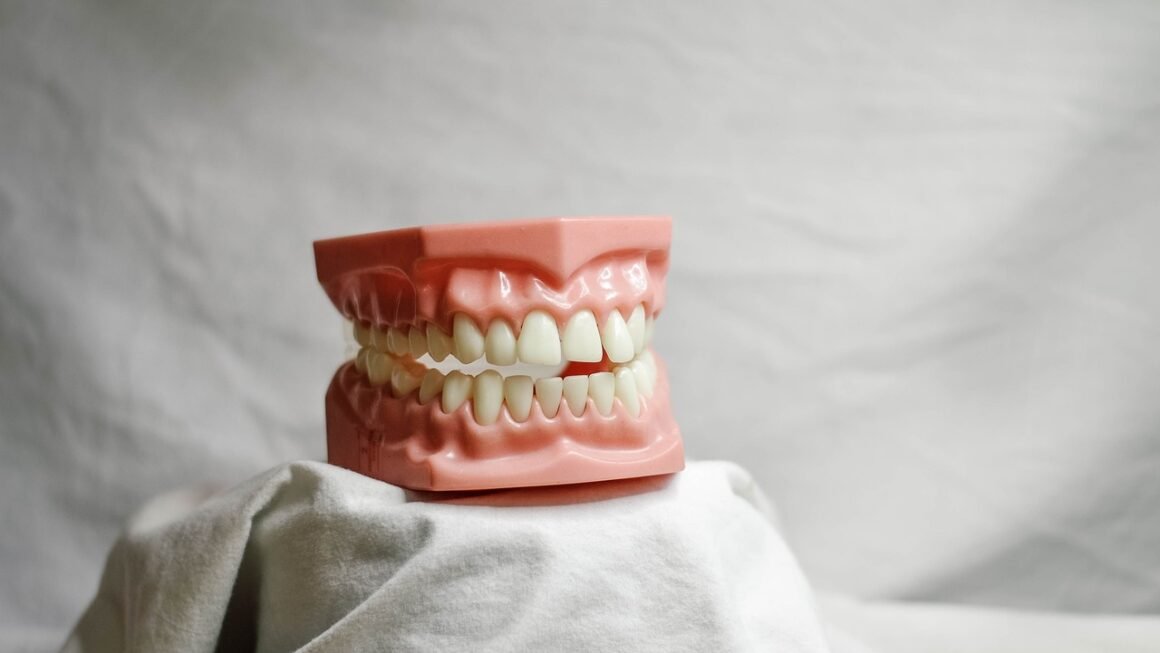
Gingivitis, the early stage of gum disease, is a common problem affecting a significant portion of the adult population. While seemingly minor at first, neglecting gingivitis can lead to more serious periodontal disease, ultimately resulting in tooth loss and other health complications. Fortunately, gingivitis is often preventable and even reversible with proper oral hygiene and professional dental care. This blog post delves into the causes, symptoms, and, most importantly, practical strategies for gingivitis prevention, ensuring a healthy smile for years to come.
Understanding Gingivitis: The First Line of Defense
What is Gingivitis?
Gingivitis is an inflammation of the gums, most often caused by the buildup of plaque – a sticky film of bacteria that constantly forms on our teeth. When plaque isn’t removed through regular brushing and flossing, it hardens into tartar (calculus), which irritates the gums and provides an even better surface for more plaque to accumulate. This irritation leads to inflammation, resulting in the symptoms we associate with gingivitis.
Recognizing the Symptoms
Early detection is key to effective gingivitis prevention. Be aware of these common signs:
- Red, swollen gums
- Gums that bleed easily, especially during brushing or flossing
- Bad breath (halitosis)
- Receding gums
- Tenderness in the gums
It’s important to note that gingivitis can sometimes be painless, so regular dental checkups are crucial even if you don’t notice any obvious symptoms.
Risk Factors for Gingivitis
Several factors can increase your risk of developing gingivitis:
- Poor oral hygiene habits
- Smoking or chewing tobacco: These habits damage gum tissue and make it harder for the body to fight infection.
- Diabetes: Individuals with diabetes are more susceptible to infections, including gum disease.
- Certain medications: Some medications can reduce saliva flow, which helps to wash away plaque and bacteria.
- Hormonal changes: Pregnancy, menstruation, and menopause can all affect gum health.
- Crooked teeth: Making it difficult to properly clean all surfaces.
- Genetics: Some people are genetically predisposed to developing gum disease.
Mastering the Art of Brushing
Choosing the Right Toothbrush
Selecting the right toothbrush is the first step in effective gingivitis prevention. Look for:
- A soft-bristled toothbrush: This is gentle on the gums and prevents damage.
- A small brush head: This allows you to reach all areas of your mouth, including hard-to-reach back teeth.
- A toothbrush with a comfortable handle: This will make it easier to maintain a proper grip.
Electric toothbrushes can also be beneficial, especially for people with limited dexterity, as they often have built-in timers and pressure sensors to ensure thorough cleaning.
The Correct Brushing Technique
Brushing isn’t just about scrubbing your teeth; it’s about using the right technique to remove plaque effectively. Here’s a step-by-step guide:
When to Replace Your Toothbrush
Replace your toothbrush every three to four months, or sooner if the bristles are frayed. Frayed bristles are less effective at removing plaque and can also harbor bacteria. You should also replace your toothbrush after you’ve been sick to prevent re-infection.
Flossing: The Unsung Hero of Gum Health
Why Floss?
Brushing alone cannot remove plaque and food particles from between your teeth, where gingivitis often starts. Flossing is essential for cleaning these hard-to-reach areas. Think of it this way: Brushing cleans the surfaces, flossing cleans the spaces between.
Choosing the Right Floss
There are several types of floss available:
- Waxed floss: Slides easily between teeth, making it a good choice for people with tightly spaced teeth.
- Unwaxed floss: May be thinner and better at cleaning between very tight teeth.
- Dental tape: A wider, flatter floss that can be more comfortable for people with sensitive gums.
- Floss picks: These can be easier to use than traditional floss, especially for people with dexterity issues.
Experiment to find the type of floss that works best for you.
The Correct Flossing Technique
Here’s how to floss effectively:
Overcoming Common Flossing Obstacles
Many people find flossing difficult or unpleasant. Here are some tips for overcoming common obstacles:
- Start slowly: If you’re new to flossing, start with just a few teeth each day and gradually work your way up to flossing all of your teeth.
- Use a floss pick: These can be easier to handle than traditional floss.
- Make it a habit: Floss at the same time each day so it becomes part of your routine.
- Talk to your dentist or hygienist: They can provide personalized tips and techniques.
Rinsing and Other Oral Hygiene Aids
The Power of Mouthwash
Mouthwash can be a valuable addition to your oral hygiene routine, helping to kill bacteria, reduce plaque, and freshen your breath. Look for mouthwashes that contain:
- Antiseptics: Such as chlorhexidine or cetylpyridinium chloride (CPC) to kill bacteria.
- Fluoride: To help strengthen tooth enamel and prevent cavities.
Rinse with mouthwash for 30 seconds after brushing and flossing. Be aware that some mouthwashes can stain teeth, so consult your dentist if you have concerns.
Tongue Scrapers and Cleaners
Bacteria can accumulate on the surface of your tongue, contributing to bad breath and gum disease. Using a tongue scraper or cleaner can help remove this bacteria and improve your overall oral hygiene.
Interdental Brushes
Interdental brushes are small, bristled brushes that are designed to clean between your teeth. They can be especially useful for people with wide spaces between their teeth or those who wear braces. Your dental professional can advise on the correct size to use.
Professional Dental Care: Your Partner in Prevention
Regular Dental Checkups
Even with excellent home care, it’s essential to visit your dentist regularly for checkups and cleanings. Your dentist can detect early signs of gingivitis and other dental problems that you may not be able to see yourself.
Professional Cleanings
During a professional cleaning, your dental hygienist will remove plaque and tartar from your teeth, including hard-to-reach areas below the gum line. This helps to prevent gingivitis and other gum diseases. The frequency of cleanings will be based on your individual needs and oral health.
Discussing Your Oral Hygiene Routine
Your dental professional can provide personalized recommendations for improving your oral hygiene routine. They can also answer any questions you have about brushing, flossing, and other oral hygiene aids. Don’t hesitate to ask for advice – it’s part of their job!
Conclusion
Preventing gingivitis is an ongoing commitment that requires a combination of excellent home care and regular professional dental care. By understanding the causes and symptoms of gingivitis, mastering the art of brushing and flossing, and incorporating other oral hygiene aids into your routine, you can significantly reduce your risk of developing gum disease and maintain a healthy, beautiful smile for life. Remember that consistency is key. Make oral hygiene a priority, and your gums will thank you for it.