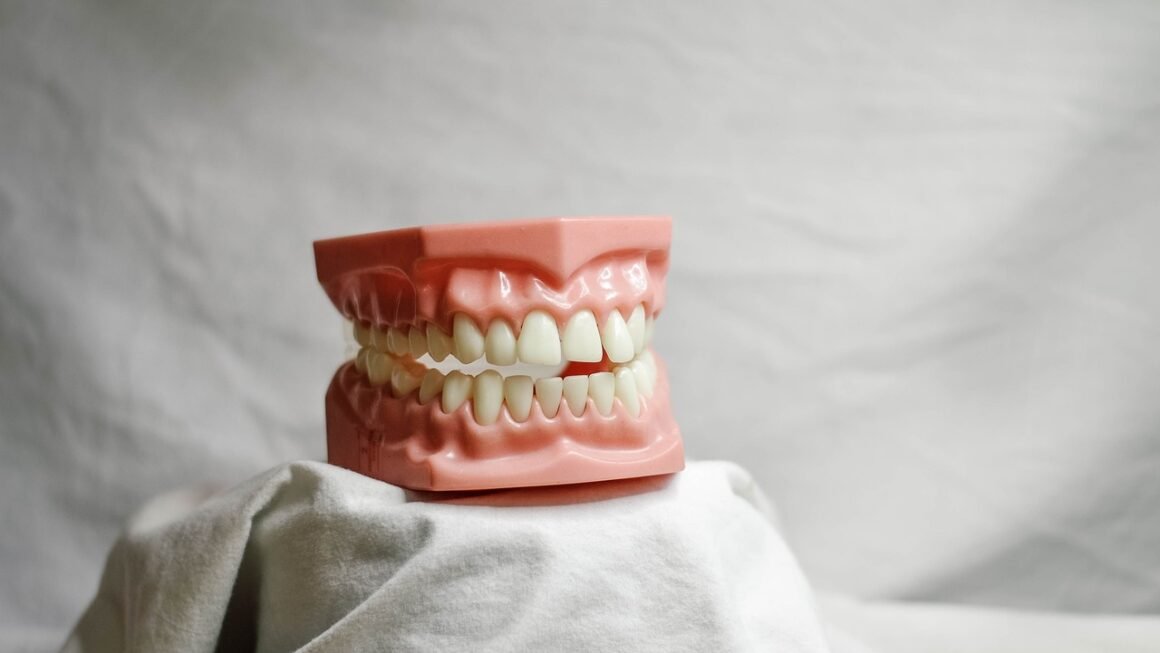
Gingivitis, the early stage of gum disease, affects a significant portion of the adult population. Often painless in its initial stages, it’s easy to overlook until it progresses, potentially leading to serious oral health issues like periodontitis and tooth loss. Fortunately, gingivitis is often preventable with the right knowledge and consistent oral hygiene practices. This guide delves into the causes, symptoms, and most importantly, how to effectively prevent gingivitis and maintain a healthy, confident smile.
Understanding Gingivitis and Its Causes
What is Gingivitis?
Gingivitis is an inflammation of the gums, most commonly caused by the accumulation of plaque and tartar (hardened plaque) on the teeth. Plaque is a sticky film of bacteria that constantly forms on teeth and gums. When plaque isn’t removed regularly through brushing and flossing, it hardens into tartar, which can only be removed by a dental professional.
The Role of Plaque and Bacteria
The bacteria in plaque produce toxins that irritate the gums, causing inflammation. This inflammation can manifest as redness, swelling, and bleeding gums, especially during brushing or flossing. Certain types of bacteria are particularly adept at causing gingivitis. Maintaining a balanced oral microbiome through good hygiene can significantly reduce the risk.
Risk Factors for Gingivitis
Several factors can increase your susceptibility to gingivitis:
- Poor Oral Hygiene: Inadequate brushing and flossing are the primary culprits.
- Smoking: Smoking weakens the immune system and makes it harder for the body to fight off gum infections.
- Diabetes: People with diabetes are more prone to infections, including gingivitis.
- Certain Medications: Some medications can reduce saliva flow, leading to a drier mouth and increased plaque buildup.
- Hormonal Changes: Pregnancy, menstruation, and menopause can increase gum sensitivity.
- Genetics: Some individuals are genetically predisposed to developing gingivitis.
Mastering Your Oral Hygiene Routine
The Importance of Brushing Technique
Effective brushing is the cornerstone of gingivitis prevention. Use a soft-bristled toothbrush and fluoride toothpaste. Angle the toothbrush at 45 degrees towards the gumline and use gentle, circular motions to clean all surfaces of each tooth.
Example: Imagine you’re gently massaging your gums as you brush. Avoid scrubbing vigorously, as this can damage the gums and tooth enamel.
The Underrated Power of Flossing
Flossing removes plaque and food particles from between the teeth, areas that a toothbrush can’t reach. Use about 18 inches of floss and gently guide it between each tooth, curving it into a “C” shape against the side of each tooth. Move the floss up and down to remove plaque and debris.
Tip: Don’t “snap” the floss between your teeth, as this can damage the gums. Be gentle and thorough.
Mouthwash: An Added Layer of Protection
Using an antimicrobial mouthwash can help kill bacteria and reduce plaque buildup. Choose a mouthwash that contains ingredients like chlorhexidine gluconate (prescription only) or essential oils. Rinse for 30 seconds after brushing and flossing.
Important Note: Mouthwash is not a substitute for brushing and flossing, but rather an addition to your oral hygiene routine.
When to Brush and Floss
Aim to brush your teeth at least twice a day, ideally after meals. Floss at least once a day, preferably before going to bed. This helps remove plaque that has accumulated throughout the day and prevents it from hardening into tartar overnight.
Dietary Choices for Gum Health
The Impact of Sugar and Carbohydrates
Sugary and starchy foods provide fuel for bacteria in the mouth, leading to increased acid production that can erode tooth enamel and contribute to gingivitis. Limit your intake of sugary drinks, candies, and processed foods.
Actionable Tip: Drink water after consuming sugary foods or drinks to help rinse away the sugar and reduce the risk of plaque buildup.
Foods That Promote Gum Health
Certain foods can actually promote gum health. These include:
- Crunchy Fruits and Vegetables: Apples, carrots, and celery help scrub away plaque and stimulate saliva production.
- Dairy Products: Milk and yogurt contain calcium, which is essential for strong teeth and bones. They also help neutralize acids in the mouth.
- Green Tea: Green tea contains antioxidants that can help reduce inflammation and fight bacteria.
- Foods Rich in Vitamin C: Vitamin C is important for gum health and wound healing. Good sources include citrus fruits, berries, and leafy green vegetables.
Staying Hydrated
Drinking plenty of water throughout the day helps keep your mouth moist and washes away food particles and bacteria. Aim for at least eight glasses of water per day.
Professional Dental Care: Your Ally in Prevention
Regular Dental Checkups and Cleanings
Professional dental cleanings remove tartar buildup that cannot be removed by brushing and flossing alone. Your dentist can also identify early signs of gingivitis and provide personalized recommendations for improving your oral hygiene.
Recommendation: Schedule dental checkups and cleanings at least twice a year, or more frequently if you have risk factors for gingivitis.
The Role of Your Dentist and Hygienist
Your dentist and dental hygienist are valuable resources for preventing gingivitis. They can provide guidance on proper brushing and flossing techniques, recommend specific oral hygiene products, and assess your risk factors for gum disease.
Identifying and Addressing Underlying Issues
During your dental checkups, your dentist can also identify and address any underlying issues that may be contributing to gingivitis, such as misaligned teeth, ill-fitting dental restorations, or systemic health conditions.
Managing Stress and Lifestyle Factors
The Link Between Stress and Gum Disease
Stress can weaken the immune system, making it harder for the body to fight off infections, including gingivitis. Find healthy ways to manage stress, such as exercise, meditation, or spending time with loved ones.
Quitting Smoking: A Major Step Towards Healthy Gums
Smoking is a major risk factor for gingivitis and periodontitis. Quitting smoking is one of the best things you can do for your oral health and overall well-being.
Managing Systemic Health Conditions
Certain systemic health conditions, such as diabetes, can increase your risk of gingivitis. Work with your healthcare provider to manage these conditions effectively.
Conclusion
Preventing gingivitis is a proactive approach to safeguarding your oral health and overall well-being. By understanding the causes, mastering your oral hygiene routine, making informed dietary choices, seeking professional dental care, and managing stress and lifestyle factors, you can significantly reduce your risk of developing gingivitis and maintain a healthy, confident smile for years to come. Remember, consistency is key – make these practices a daily habit, and your gums will thank you for it!