Gingivitis, the early stage of gum disease, affects a significant portion of the adult population. Fortunately, with the right knowledge and consistent oral hygiene practices, gingivitis is highly preventable. This post provides a comprehensive guide to understanding gingivitis, preventing it, and maintaining healthy gums for a lifetime. We’ll cover everything from proper brushing techniques to the importance of professional cleanings.
Understanding Gingivitis
What is Gingivitis?
Gingivitis is an inflammation of the gums caused by the accumulation of plaque and tartar (hardened plaque) on the teeth. Bacteria in plaque produce toxins that irritate the gums, leading to redness, swelling, and bleeding.
- It’s the first stage of gum disease and, unlike periodontitis, is generally reversible with proper treatment and improved oral hygiene.
- Left untreated, gingivitis can progress to periodontitis, a more severe form of gum disease that can lead to tooth loss.
- Symptoms can be subtle, which is why regular dental checkups are crucial.
Common Signs and Symptoms
Recognizing the early signs of gingivitis is critical for prompt treatment. Look out for these symptoms:
- Red, swollen, or tender gums.
- Bleeding gums during brushing or flossing (even a small amount).
- Persistent bad breath (halitosis).
- Receding gums.
- Changes in the fit of partial dentures.
- Loose teeth (although this is more common in later stages of gum disease).
Risk Factors for Gingivitis
Several factors can increase your risk of developing gingivitis. Understanding these risk factors can help you take preventive measures.
- Poor Oral Hygiene: Inadequate brushing and flossing are the primary causes.
- Tobacco Use: Smoking weakens the immune system and makes it harder for gums to heal. According to the CDC, smokers are twice as likely to develop gum disease as nonsmokers.
- Diabetes: High blood sugar levels can impair the body’s ability to fight infection, including gum infections.
- Hormonal Changes: Pregnancy, menstruation, and menopause can make gums more sensitive.
- Certain Medications: Some medications can reduce saliva flow, increasing the risk of plaque buildup.
- Crooked Teeth: Misaligned teeth can be difficult to clean properly.
- Diet High in Sugar: Sugary foods and drinks contribute to plaque formation.
Effective Oral Hygiene Practices
Brushing Techniques
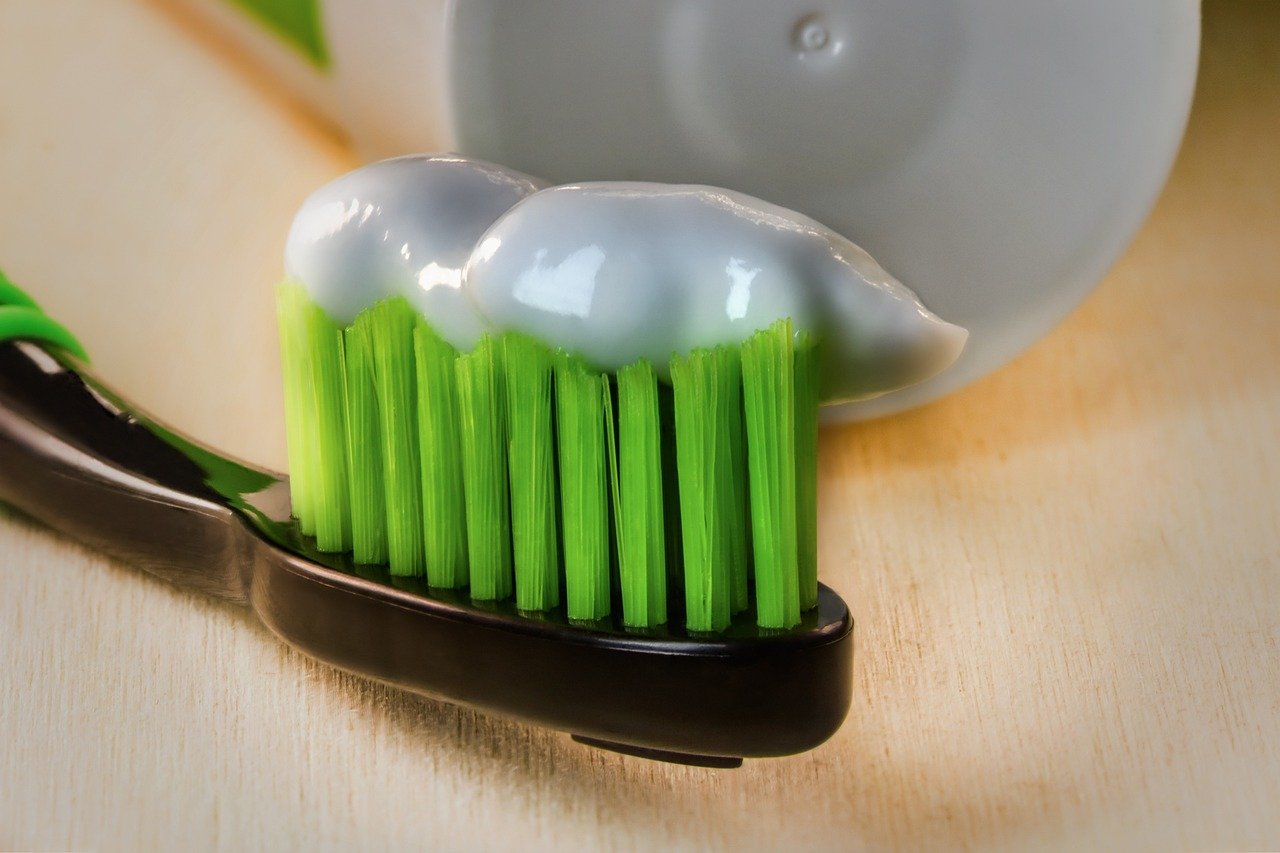
Proper brushing is the cornerstone of gingivitis prevention. Use a soft-bristled toothbrush and fluoride toothpaste.
- Brush at least twice a day: Ideally, brush after meals and before bed.
- Use proper technique: Place the toothbrush at a 45-degree angle to the gum line and use gentle, circular motions.
- Brush all surfaces of each tooth: Don’t forget the inner, outer, and chewing surfaces.
- Brush for two minutes: Use a timer or electric toothbrush with a built-in timer to ensure you brush for the recommended amount of time.
- Replace your toothbrush every 3-4 months: Or sooner if the bristles are frayed.
Flossing Regularly
Flossing removes plaque and food particles from between your teeth, where your toothbrush can’t reach.
- Floss at least once a day: Preferably before bedtime.
- Use proper technique: Gently slide the floss between your teeth, curving it around each tooth and under the gum line.
- Use a fresh section of floss for each tooth: Avoid spreading bacteria from one area of your mouth to another.
- Consider using interdental brushes or water flossers: These can be helpful for cleaning between teeth, especially if you have braces or bridges.
Using Mouthwash
Antiseptic mouthwash can help kill bacteria and reduce plaque buildup.
- Choose a mouthwash with fluoride: Fluoride helps strengthen tooth enamel.
- Use mouthwash as directed: Typically, rinse for 30 seconds after brushing and flossing.
- Don’t rely on mouthwash alone: Mouthwash is an adjunct to brushing and flossing, not a replacement.
The Role of Diet in Gum Health
Foods That Promote Healthy Gums
Certain foods can contribute to healthy gums.
- Fruits and vegetables: These are rich in vitamins and antioxidants, which can help boost your immune system and fight inflammation. Examples include apples, carrots, and celery, which also promote saliva production.
- Dairy products: Milk and cheese are good sources of calcium, which is essential for strong teeth and bones.
- Green tea: Contains antioxidants that may reduce inflammation and fight bacteria.
Foods to Limit or Avoid
Limit your intake of sugary and acidic foods, as they can contribute to plaque formation and enamel erosion.
- Sugary snacks and drinks: Candy, soda, and processed foods are major contributors to plaque buildup.
- Acidic foods and drinks: Citrus fruits, coffee, and alcohol can erode tooth enamel, making your teeth more susceptible to decay and gum disease.
- Sticky foods: These foods can cling to your teeth and promote bacterial growth.
Professional Dental Care is Essential
Regular Dental Checkups and Cleanings
Even with diligent home care, it’s essential to visit your dentist regularly for checkups and professional cleanings.
- Schedule checkups every six months: Your dentist can detect early signs of gingivitis and other oral health problems.
- Professional cleanings remove plaque and tartar: A dental hygienist can remove plaque and tartar from areas that are difficult to reach with a toothbrush and floss.
- Your dentist can provide personalized advice: Based on your individual needs and risk factors, your dentist can recommend specific oral hygiene products and techniques.
Scaling and Root Planing
If you have gingivitis, your dentist may recommend scaling and root planing, a deep cleaning procedure that removes plaque and tartar from below the gum line.
- Scaling: Removes plaque and tartar from the tooth surface and gum pockets.
- Root planing: Smooths the tooth roots to make it harder for bacteria to adhere and allows the gums to heal.
- Local anesthetic may be used: To numb the area and minimize discomfort.
Conclusion
Preventing gingivitis is achievable with consistent oral hygiene practices, a healthy diet, and regular dental care. By understanding the risk factors, recognizing the signs, and adopting the strategies outlined in this guide, you can maintain healthy gums and a confident smile for years to come. Don’t wait until you experience symptoms; prioritize your oral health today!