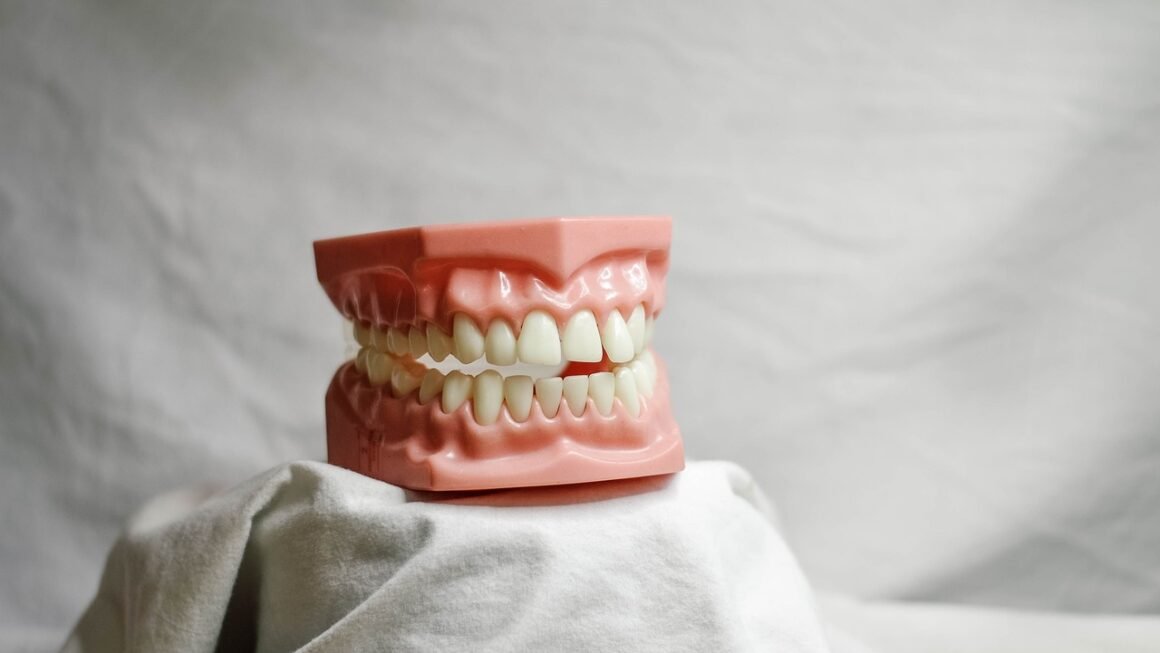
Maintaining healthy gums is more than just having a bright smile; it’s a crucial component of overall health. Neglecting your gums can lead to serious problems, from bad breath and tooth loss to increased risk of heart disease and other systemic illnesses. This comprehensive guide provides you with the knowledge and tools you need to achieve and maintain optimal gum health, ensuring a brighter, healthier future.
Understanding Gum Health
What Are Healthy Gums?
Healthy gums are typically coral pink in color, firm to the touch, and have a stippled appearance similar to an orange peel. They fit snugly around your teeth, creating a tight seal that protects the underlying bone and tissues. Healthy gums don’t bleed when you brush or floss. If you notice redness, swelling, or bleeding, it’s a sign that something’s amiss.
The Importance of Healthy Gums
- Preventing Periodontal Disease: Gum disease, also known as periodontitis, is a bacterial infection that damages the soft tissues and bone that support your teeth. In its advanced stages, it can lead to tooth loss.
- Overall Health: Studies have linked gum disease to various systemic health issues, including heart disease, stroke, diabetes, and respiratory infections. Maintaining healthy gums helps reduce the risk of these complications.
- Confidence and Appearance: Healthy gums contribute to a more attractive smile, boosting your confidence and self-esteem.
- Fresh Breath: Gum disease is a major cause of bad breath. Healthy gums are less likely to harbor bacteria that produce foul odors.
Common Signs of Gum Disease
Recognizing the early signs of gum disease is essential for prompt treatment and preventing further damage. Some common symptoms include:
- Red, swollen, or tender gums
- Bleeding gums when brushing or flossing
- Persistent bad breath
- Receding gums (gums pulling away from the teeth)
- Loose teeth
- Changes in your bite
- Pus between your teeth and gums
Maintaining Good Oral Hygiene
Brushing Techniques
Brushing is the foundation of good oral hygiene.
- Frequency: Brush your teeth at least twice a day, preferably after meals and before bed.
- Technique: Use a soft-bristled toothbrush and gentle, circular motions to clean all surfaces of your teeth, including the front, back, and chewing surfaces. Angle the brush at a 45-degree angle towards the gum line.
- Duration: Brush for at least two minutes each time.
- Toothpaste: Use a fluoride toothpaste to strengthen your enamel and protect against cavities. Look for a toothpaste with the ADA Seal of Acceptance.
- Example: Imagine you are gently massaging your gums while brushing; this visual can help ensure you’re not applying too much pressure, which can damage your gums.
Flossing Regularly
Flossing removes plaque and food particles from between your teeth and along the gum line, areas that your toothbrush can’t reach.
- Frequency: Floss at least once a day, preferably before bedtime.
- Technique: Use about 18 inches of floss, wrapping it around your middle fingers and using your thumbs and index fingers to guide it between your teeth. Gently slide the floss up and down against each tooth, being careful not to snap it against your gums.
- Types of Floss: Choose the type of floss that works best for you, whether it’s waxed, unwaxed, flavored, or floss picks. Experiment to find one you’ll use consistently.
- Example: If you find traditional flossing difficult, consider using interdental brushes or water flossers, which are effective alternatives.
Mouthwash Benefits
Mouthwash can help kill bacteria, reduce plaque, and freshen your breath.
- Types of Mouthwash: Choose a mouthwash that is appropriate for your needs. Antimicrobial mouthwashes contain ingredients that kill bacteria, while fluoride mouthwashes help strengthen enamel.
- Usage: Rinse with mouthwash after brushing and flossing, following the instructions on the bottle. Typically, you’ll rinse for 30 seconds.
- Considerations: Some mouthwashes contain alcohol, which can dry out your mouth. Look for alcohol-free options if you have dry mouth.
- Example: A chlorhexidine mouthwash can be recommended by your dentist after a periodontal procedure to help prevent infection.
Professional Dental Care
Regular Check-ups and Cleanings
Visiting your dentist regularly is crucial for maintaining healthy gums.
- Frequency: Schedule dental check-ups and cleanings at least twice a year, or more often if you have gum disease or other oral health issues.
- Benefits: Your dentist can detect early signs of gum disease, provide professional cleanings to remove plaque and tartar, and offer personalized advice on how to improve your oral hygiene.
- Scaling and Root Planing: If you have gum disease, your dentist may recommend scaling and root planing, a deep cleaning procedure that removes plaque and tartar from below the gum line.
- Example: During a dental check-up, your dentist will use a probe to measure the depth of the pockets around your teeth. Healthy pockets are typically 1-3 millimeters deep.
When to See a Periodontist
A periodontist is a dentist who specializes in the prevention, diagnosis, and treatment of gum disease.
- Referral: Your general dentist may refer you to a periodontist if you have advanced gum disease or other complex periodontal issues.
- Specialized Treatments: Periodontists offer a range of specialized treatments, including gum grafting, bone grafting, and dental implants.
- Example: If you have significant gum recession, a periodontist can perform a gum grafting procedure to cover the exposed tooth roots and protect them from sensitivity and decay.
Lifestyle Factors and Gum Health
Diet and Nutrition
What you eat can significantly impact your gum health.
- Balanced Diet: A diet rich in fruits, vegetables, and whole grains provides essential nutrients that support healthy gums.
- Vitamin C: Vitamin C is crucial for collagen production, which helps keep your gums strong and resilient.
- Limit Sugar: Sugary foods and drinks contribute to plaque buildup and increase the risk of gum disease.
- Hydration: Drinking plenty of water helps flush away food particles and bacteria, keeping your mouth clean and healthy.
- Example: Include citrus fruits, berries, and leafy greens in your diet to boost your vitamin C intake.
Smoking and Tobacco Use
Smoking and tobacco use are major risk factors for gum disease.
- Increased Risk: Smokers are more likely to develop gum disease and experience more severe symptoms than non-smokers.
- Impaired Healing: Smoking impairs the body’s ability to heal, making it more difficult to treat gum disease.
- Quitting: Quitting smoking is one of the best things you can do for your gum health and overall health.
- Example: Smoking reduces blood flow to the gums, depriving them of oxygen and nutrients and making them more susceptible to infection.
Managing Stress
Stress can weaken your immune system, making you more vulnerable to gum disease.
- Stress Management Techniques: Practice stress management techniques such as yoga, meditation, or deep breathing exercises to help keep your stress levels in check.
- Healthy Lifestyle: Maintain a healthy lifestyle, including regular exercise and adequate sleep, to boost your immune system.
- Example: Chronic stress can lead to teeth grinding (bruxism), which can put excessive pressure on your gums and teeth.
Conclusion
Prioritizing your gum health is an investment in your overall well-being. By understanding the importance of healthy gums, practicing good oral hygiene, seeking professional dental care, and adopting a healthy lifestyle, you can protect your gums and enjoy a bright, healthy smile for years to come. Remember, consistent effort and proactive care are key to preventing gum disease and maintaining optimal oral health. Don’t wait for problems to arise; take control of your gum health today!