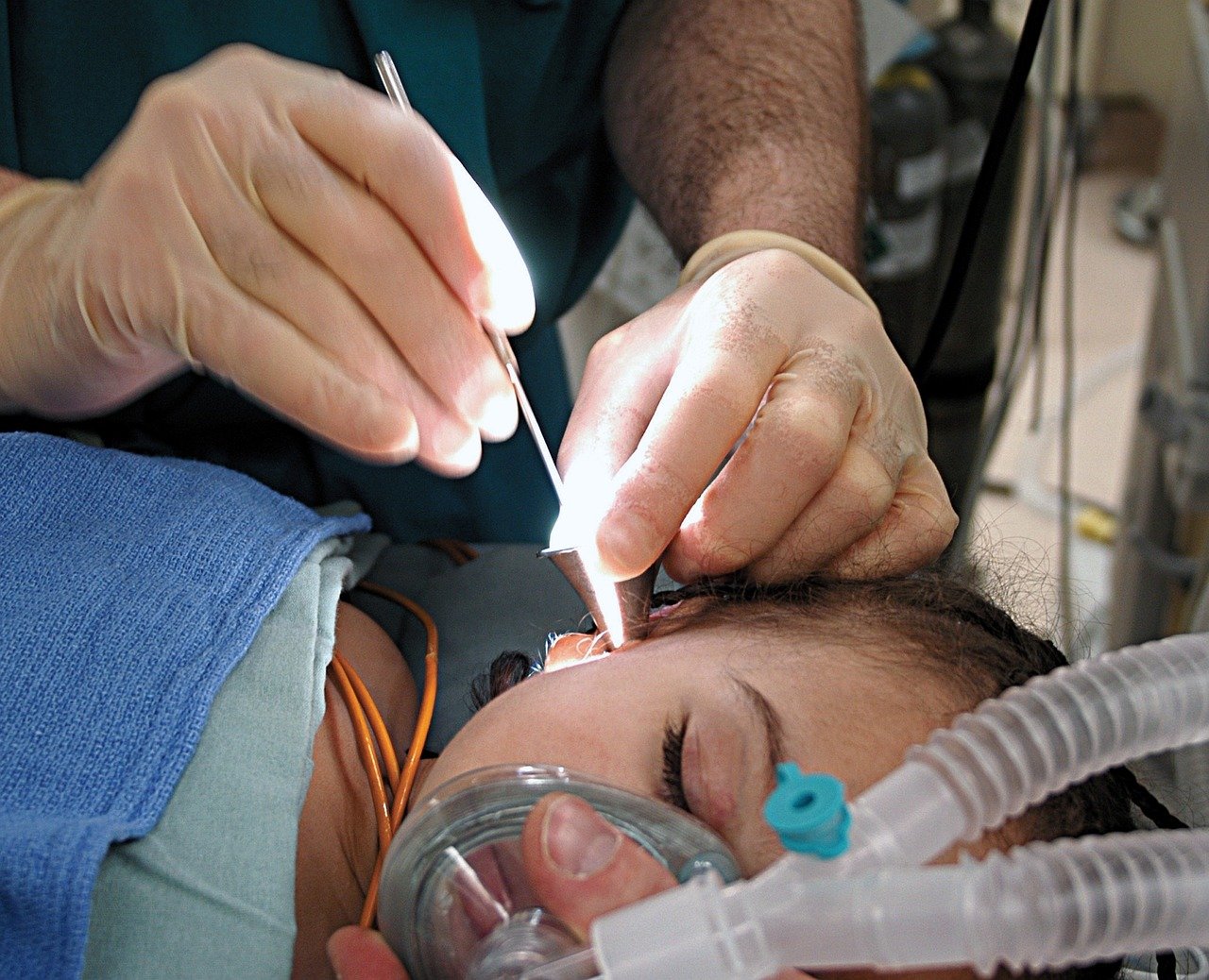
Gum surgery, also known as periodontal surgery, isn’t something most people look forward to. However, when gum disease progresses beyond initial treatments, it becomes a necessary step to protect your teeth and overall oral health. Understanding the different types of gum surgery, what to expect, and how to care for yourself afterward can alleviate anxiety and empower you to make informed decisions. This comprehensive guide will walk you through everything you need to know about gum surgery, from initial consultation to post-operative care, ensuring you’re well-prepared for a healthier, happier smile.
Understanding Gum Disease and the Need for Surgery
What is Periodontal Disease?
Periodontal disease, commonly known as gum disease, is an infection that damages the soft tissues and bone that support your teeth. It begins with gingivitis, an inflammation of the gums, and if left untreated, can progress to periodontitis.
- Gingivitis: Characterized by red, swollen, and bleeding gums. Often reversible with good oral hygiene.
- Periodontitis: A more severe form where the gums pull away from the teeth, forming pockets that become infected. This can lead to bone and tooth loss.
According to the Centers for Disease Control and Prevention (CDC), nearly half of adults aged 30 or older have some form of periodontal disease. Early detection and treatment are crucial to prevent its progression.
Why is Gum Surgery Necessary?
Gum surgery becomes necessary when non-surgical treatments, such as scaling and root planing (deep cleaning), are insufficient to control the disease. Surgical intervention aims to:
- Reduce pocket depth between gums and teeth.
- Repair damaged bone and tissue.
- Improve access for cleaning and maintenance.
- Prevent further bone and tooth loss.
For example, if a patient has deep periodontal pockets (5mm or more) that haven’t responded to scaling and root planing, a pocket reduction surgery might be recommended.
Risk Factors for Gum Disease
Several factors can increase your risk of developing gum disease:
- Poor oral hygiene (inconsistent brushing and flossing)
- Smoking or tobacco use
- Diabetes
- Genetic predisposition
- Certain medications
- Hormonal changes (e.g., pregnancy, menopause)
- Clenching or grinding teeth
Understanding your personal risk factors can help you take proactive steps to prevent or manage gum disease.
Types of Gum Surgery Procedures
There are several types of gum surgery procedures, each designed to address specific issues:
Pocket Reduction Surgery (Gingivectomy/Gingivoplasty)
Pocket reduction surgery, also known as gingivectomy or gingivoplasty, reduces the depth of the pockets between the gums and teeth.
- Process: The periodontist folds back the gum tissue, removes bacteria and damaged tissue, and then sutures the gums back into place. This allows for better cleaning and reduces the space where bacteria can thrive.
- Benefits: Easier to clean teeth, reduces risk of infection, improves gum aesthetics.
- Example: A patient with 6mm pockets that are constantly inflamed despite regular cleanings might benefit from this procedure. The surgeon would remove excess tissue to bring the pocket depth to a more manageable 2-3mm.
Gum Grafting
Gum grafting is performed to cover exposed tooth roots, which can cause sensitivity and increase the risk of decay.
- Process: Tissue is taken from another area of the mouth (usually the palate) or a donor source and attached to the area where the gums have receded.
- Benefits: Reduces tooth sensitivity, protects roots from decay, improves aesthetics.
- Example: A patient with significant gum recession on their front teeth, causing sensitivity to cold and an unsightly appearance, would be a good candidate for a gum graft.
Bone Grafting
Bone grafting is used to regenerate bone that has been lost due to periodontal disease.
- Process: Bone graft material (which can be your own bone, donor bone, or synthetic material) is placed in the area where bone has been lost. This stimulates new bone growth.
- Benefits: Strengthens the jawbone, provides support for teeth, allows for possible dental implant placement.
- Example: A patient who has lost bone around a molar due to periodontitis might require a bone graft to stabilize the tooth and prevent further bone loss.
Guided Tissue Regeneration (GTR)
Guided tissue regeneration (GTR) encourages the growth of new bone and tissue by preventing unwanted tissues from filling the space.
- Process: A membrane is placed between the gum and bone to prevent the gums from growing into the area where bone should be regenerating. This allows bone cells to grow and fill the space.
- Benefits: Promotes bone and tissue regeneration, improves long-term stability of teeth.
- Example: A patient with a specific type of bone defect around a tooth might benefit from GTR. The membrane will block gum tissue from filling the defect, allowing bone to regenerate.
What to Expect Before, During, and After Gum Surgery
Pre-Operative Preparation
Before gum surgery, your periodontist will conduct a thorough examination, including:
- Medical history review
- Oral examination
- X-rays
- Discussion of treatment options and risks
- Pre-operative instructions (e.g., dietary restrictions, medication adjustments)
It’s important to disclose all medical conditions and medications to your periodontist. For example, if you’re taking blood thinners, you may need to adjust the dosage before surgery.
During the Procedure
Gum surgery is typically performed under local anesthesia to numb the area. Some patients may opt for sedation to help them relax.
- Local Anesthesia: Numbs the area being treated, ensuring a pain-free procedure.
- Sedation: Can include nitrous oxide (laughing gas), oral sedation, or IV sedation, depending on the patient’s anxiety level and the complexity of the surgery.
The length of the procedure will vary depending on the type and extent of surgery.
Post-Operative Care
Following gum surgery, proper post-operative care is crucial for healing and preventing complications.
- Pain Management: Take prescribed pain medication as directed. Over-the-counter pain relievers like ibuprofen or acetaminophen can also help manage discomfort.
- Diet: Stick to a soft food diet for the first few days. Avoid hard, crunchy, or sticky foods that can irritate the surgical site. Examples include yogurt, mashed potatoes, soup, and smoothies.
- Oral Hygiene: Gently rinse your mouth with an antibacterial mouthwash (e.g., chlorhexidine) as directed by your periodontist. Avoid brushing the surgical site for the first few days. After that, brush gently with a soft-bristled toothbrush.
- Follow-Up Appointments: Attend all scheduled follow-up appointments to monitor healing and address any concerns.
It’s important to watch for signs of infection, such as increased pain, swelling, redness, or pus. Contact your periodontist immediately if you experience any of these symptoms.
Benefits and Risks of Gum Surgery
Advantages of Gum Surgery
Gum surgery offers numerous benefits for individuals with advanced gum disease:
- Improved Oral Health: Reduces pocket depth, allowing for better cleaning and maintenance.
- Reduced Risk of Tooth Loss: Stabilizes teeth and prevents further bone loss.
- Enhanced Aesthetics: Improves the appearance of your smile by covering exposed roots and reshaping gums.
- Reduced Tooth Sensitivity: Gum grafting can protect exposed roots and alleviate sensitivity to hot and cold.
- Increased Comfort: Eliminates chronic inflammation and discomfort associated with gum disease.
Potential Risks and Complications
Like any surgical procedure, gum surgery carries potential risks and complications:
- Infection: Proper post-operative care can minimize the risk of infection.
- Bleeding: Some bleeding is normal after surgery, but excessive bleeding should be reported to your periodontist.
- Swelling and Discomfort: These are common side effects that can be managed with medication and cold compresses.
- Nerve Damage: Rare, but possible, leading to temporary or permanent numbness.
- Recession: Gum tissue may recede further after surgery in some cases.
- Sensitivity: Increased tooth sensitivity can occur, especially after gum grafting.
Your periodontist will discuss these risks with you in detail before the procedure.
Cost and Insurance Coverage
Factors Affecting the Cost of Gum Surgery
The cost of gum surgery can vary widely depending on several factors:
- Type of Procedure: Complex procedures like bone grafting are typically more expensive than simpler procedures like pocket reduction surgery.
- Extent of Surgery: The number of teeth or areas requiring treatment will affect the cost.
- Geographic Location: Costs can vary depending on the region and the cost of living.
- Anesthesia Type: Sedation adds to the overall cost.
- Surgeon’s Experience and Expertise: Experienced periodontists may charge higher fees.
For example, a simple gingivectomy might cost $500-$1000 per quadrant, while a bone graft could range from $1000-$3000 per site.
Insurance Coverage for Gum Surgery
Many dental insurance plans cover at least a portion of the cost of gum surgery.
- Coverage Varies: Check with your insurance provider to determine your specific coverage and any limitations or exclusions.
- Pre-Authorization: Some insurance companies require pre-authorization for certain procedures.
- Payment Plans: Many periodontists offer payment plans or financing options to help patients manage the cost of treatment.
It’s essential to discuss the cost and insurance coverage with your periodontist’s office before scheduling the surgery. They can provide you with a detailed estimate and help you navigate the insurance process.
Conclusion
Gum surgery can be a life-changing procedure for individuals suffering from advanced periodontal disease. By understanding the different types of surgeries, what to expect before, during, and after the procedure, and the potential benefits and risks, you can make informed decisions about your oral health. Remember to choose a qualified and experienced periodontist, follow their instructions carefully, and maintain excellent oral hygiene to ensure the best possible outcome. Addressing gum disease proactively with the appropriate surgical intervention can help you preserve your teeth, improve your overall health, and enjoy a confident, healthy smile for years to come.