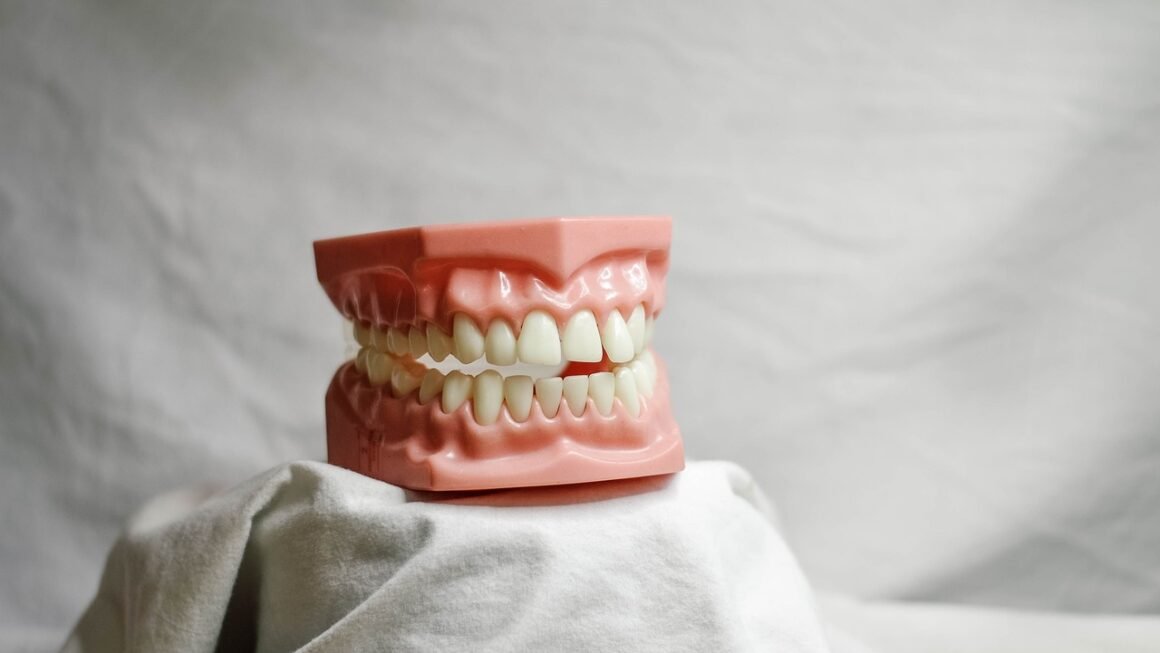
Gingivitis, the early stage of gum disease, affects a large percentage of adults, but the good news is it’s often preventable. Don’t underestimate the importance of healthy gums! Neglecting gingivitis can lead to more serious issues like periodontitis, which can eventually result in tooth loss. Fortunately, with a consistent oral hygiene routine and regular dental check-ups, you can keep your gums healthy and prevent gingivitis from developing. This comprehensive guide will walk you through everything you need to know about gingivitis prevention, offering practical tips and advice to maintain a healthy, radiant smile.
Understanding Gingivitis and its Causes
What is Gingivitis?
Gingivitis is an inflammation of the gums, usually caused by a bacterial infection. It occurs when plaque, a sticky film of bacteria, accumulates on your teeth and around the gum line. If plaque isn’t removed through regular brushing and flossing, it hardens into tartar (calculus), which is even more difficult to remove and provides a rough surface for more plaque to accumulate. Untreated gingivitis can progress to periodontitis, a more severe form of gum disease that can damage the soft tissue and bone that support your teeth.
Common Causes of Gingivitis
Several factors can contribute to the development of gingivitis:
- Poor Oral Hygiene: Inadequate brushing and flossing habits.
- Plaque and Tartar Buildup: Accumulation of plaque and its hardening into tartar.
- Certain Medications: Some medications can reduce saliva flow, leading to dry mouth and increased bacterial growth.
- Smoking: Smoking weakens the immune system and makes it harder to fight off gum infections.
- Hormonal Changes: Changes during puberty, menstruation, pregnancy, and menopause can make gums more sensitive.
- Underlying Health Conditions: Conditions like diabetes can increase the risk of gum disease.
- Diet: A diet high in sugar and carbohydrates can promote bacterial growth in the mouth.
Mastering Your Oral Hygiene Routine
Brushing Techniques for Gum Health
Proper brushing is the cornerstone of gingivitis prevention. Aim to brush your teeth at least twice a day – once in the morning and once before bed. Use a soft-bristled toothbrush and fluoride toothpaste.
Techniques:
- Angle the Brush: Hold your toothbrush at a 45-degree angle to your gums.
- Gentle Circular Motions: Use gentle, circular motions to clean each tooth.
- Clean All Surfaces: Make sure to clean the outer, inner, and chewing surfaces of each tooth.
- Don’t Forget the Tongue: Brush your tongue to remove bacteria and freshen your breath.
- Brush for Two Minutes: Spend at least two minutes brushing your teeth. Some electric toothbrushes have built-in timers.
Example: After waking up, use a soft-bristled toothbrush and fluoride toothpaste. Angle the brush towards the gumline and use gentle, circular motions. Ensure you reach all surfaces of each tooth and brush your tongue for a complete clean.
The Importance of Flossing
Flossing is essential for removing plaque and food particles from between your teeth and under the gumline, areas that your toothbrush can’t reach. Floss at least once a day, preferably before bed.
How to Floss Effectively:
- Use Enough Floss: Take about 18 inches of floss.
- Hold the Floss Securely: Wrap the floss around your middle fingers, leaving a few inches to work with.
- Gently Guide the Floss: Gently guide the floss between your teeth using a sawing motion.
- Curve the Floss: Curve the floss around each tooth in a “C” shape and slide it gently under the gumline.
- Use a Clean Section of Floss: Use a clean section of floss for each tooth.
Example: Before bed, take about 18 inches of floss. Wrap it around your middle fingers and gently guide it between your teeth using a sawing motion. Curve the floss around each tooth and slide it under the gumline to remove plaque and food particles.
Choosing the Right Oral Hygiene Products
Selecting the right oral hygiene products can significantly improve your oral health and help prevent gingivitis.
- Toothbrush: Choose a soft-bristled toothbrush that is the right size for your mouth. Replace your toothbrush every three to four months, or sooner if the bristles are frayed.
- Toothpaste: Use fluoride toothpaste, which helps to strengthen tooth enamel and prevent cavities. Look for toothpaste that is specifically formulated to fight plaque and gingivitis.
- Mouthwash: Use an antiseptic mouthwash to help kill bacteria and reduce plaque. Look for mouthwashes that contain ingredients like chlorhexidine or cetylpyridinium chloride (CPC). Always use mouthwash as a supplement to brushing and flossing, not as a replacement.
- Interdental Brushes: These small brushes are designed to clean between teeth and can be especially helpful for people with larger gaps between their teeth or those who have braces.
The Role of Professional Dental Care
Regular Dental Check-ups and Cleanings
Regular dental check-ups and professional cleanings are crucial for preventing and managing gingivitis. Your dentist can detect early signs of gingivitis and provide treatments to prevent it from progressing to periodontitis.
Benefits of Professional Cleanings:
- Tartar Removal: A dental hygienist can remove tartar that has built up on your teeth, which cannot be removed by brushing and flossing alone.
- Early Detection: Your dentist can identify early signs of gingivitis, such as red, swollen, or bleeding gums.
- Personalized Advice: Your dentist can provide personalized advice on how to improve your oral hygiene habits.
- Screening for Other Issues: Dental check-ups can also help to detect other oral health problems, such as cavities, oral cancer, and other systemic diseases.
Recommendation: Schedule a dental check-up and cleaning at least twice a year, or more often if recommended by your dentist.
Professional Treatments for Gingivitis
If you have gingivitis, your dentist may recommend professional treatments to help reverse the condition. These treatments may include:
- Scaling and Root Planing: This deep cleaning procedure removes plaque and tartar from below the gumline and smooths the tooth roots to help the gums reattach to the teeth.
- Antibiotic Therapy: Your dentist may prescribe antibiotics to help kill bacteria and reduce inflammation in the gums. This can be in the form of mouthwash, oral medication, or a locally applied gel.
Lifestyle Factors and Dietary Considerations
The Impact of Diet on Gum Health
What you eat can significantly impact the health of your gums. A balanced diet rich in vitamins and minerals is essential for maintaining healthy gums and teeth.
Foods to Promote Gum Health:
- Fruits and Vegetables: Rich in vitamins and antioxidants that promote healthy gums and strengthen the immune system.
- Dairy Products: Calcium and other nutrients help strengthen tooth enamel.
- Lean Proteins: Provide essential nutrients for tissue repair and maintenance.
- Water: Staying hydrated helps produce saliva, which neutralizes acids and washes away food particles and bacteria.
Foods to Avoid or Limit:
- Sugary Foods and Drinks: Promote bacterial growth and can lead to plaque buildup.
- Acidic Foods and Drinks: Can erode tooth enamel and make teeth more susceptible to decay and gum disease.
- Processed Foods: Often high in sugar and low in nutrients, contributing to poor oral health.
Example: Incorporate more fruits and vegetables into your diet, such as apples, carrots, and celery, which can help clean your teeth and stimulate saliva production. Limit sugary snacks and drinks, such as soda and candy, which can promote bacterial growth.
The Negative Effects of Smoking and Tobacco Use
Smoking and tobacco use are major risk factors for gingivitis and periodontitis. Smoking weakens the immune system, making it harder for your body to fight off gum infections. It also reduces blood flow to the gums, which can impair healing and increase the risk of gum disease.
Effects of Smoking on Gum Health:
- Increased Risk of Gingivitis and Periodontitis: Smokers are more likely to develop gum disease and experience more severe symptoms.
- Impaired Healing: Smoking can slow down the healing process after dental treatments.
- Reduced Blood Flow: Smoking reduces blood flow to the gums, which can lead to tissue damage and bone loss.
- Increased Risk of Oral Cancer: Smoking is a major risk factor for oral cancer.
Recommendation: Quitting smoking is one of the best things you can do for your oral health and overall well-being. Talk to your doctor or dentist about resources and support to help you quit.
Addressing Specific Risk Factors
Managing Hormonal Changes
Hormonal changes, such as those that occur during puberty, menstruation, pregnancy, and menopause, can make gums more sensitive and increase the risk of gingivitis. During these times, it’s even more important to maintain excellent oral hygiene and see your dentist regularly.
Tips for Managing Hormonal Changes:
- Increase Oral Hygiene: Brush and floss more frequently to remove plaque and bacteria.
- Use a Soft-Bristled Toothbrush: This can help to reduce irritation to sensitive gums.
- Rinse with Salt Water: A warm salt water rinse can help to soothe irritated gums.
- See Your Dentist Regularly: Your dentist can monitor your gum health and provide treatments if necessary.
Controlling Underlying Health Conditions
Certain health conditions, such as diabetes, can increase the risk of gingivitis. If you have an underlying health condition, it’s important to manage it effectively and work closely with your healthcare providers to maintain good oral health.
Tips for Managing Underlying Health Conditions:
- Control Blood Sugar: If you have diabetes, keep your blood sugar levels under control.
- Maintain Good Oral Hygiene: Brush and floss regularly to remove plaque and bacteria.
- See Your Dentist Regularly: Inform your dentist about your health condition and any medications you are taking.
- Follow Your Doctor’s Advice: Adhere to your doctor’s recommendations for managing your health condition.
Conclusion
Preventing gingivitis is an ongoing process that requires a commitment to good oral hygiene, regular dental care, and healthy lifestyle choices. By understanding the causes of gingivitis and implementing the strategies outlined in this guide, you can significantly reduce your risk of developing gum disease and maintain a healthy, beautiful smile for years to come. Remember, consistent effort and proactive care are key to preventing gingivitis and enjoying optimal oral health. Don’t wait for problems to arise—start taking steps today to protect your gums and teeth!