Maintaining healthy gums is paramount for overall oral health and well-being. Often overlooked, gum health plays a crucial role in protecting your teeth, preventing tooth loss, and even impacting your systemic health. This guide delves into everything you need to know about achieving and maintaining healthy gums, from recognizing the signs of gum disease to implementing effective preventative measures and treatments.
Understanding Healthy Gums
What Do Healthy Gums Look Like?
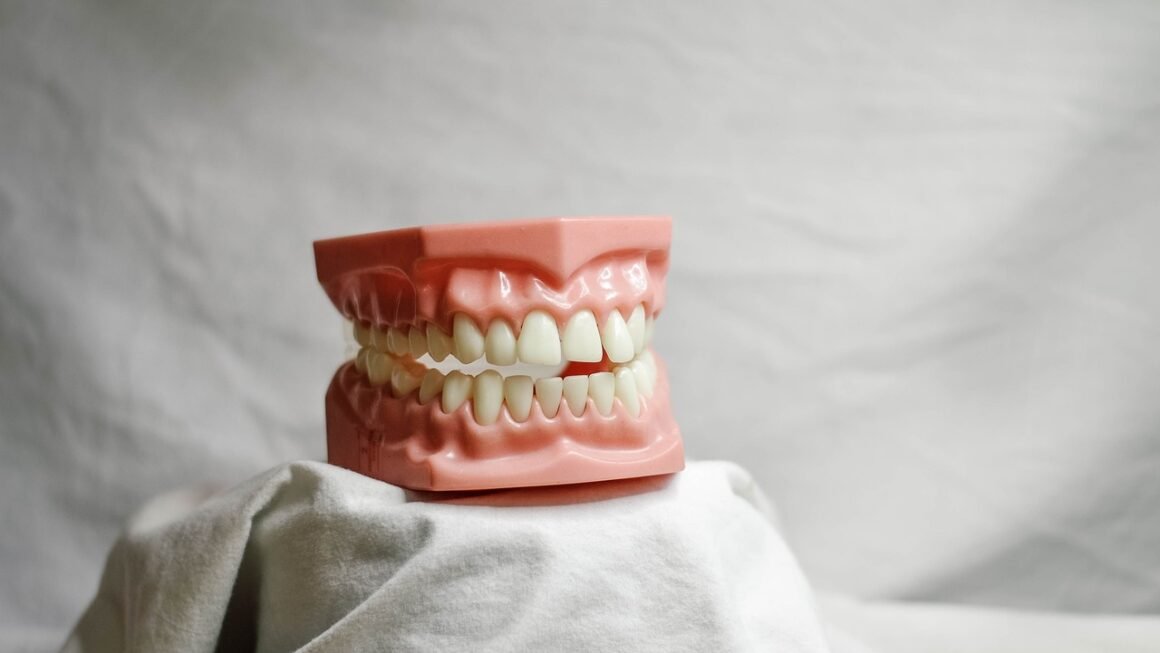
Healthy gums are more than just a pretty smile; they’re a sign of a healthy oral environment. Look for these characteristics:
- Color: Healthy gums are typically a coral pink color. Variations can occur based on ethnicity, but significant redness or discoloration is a cause for concern.
- Texture: Gums should have a stippled appearance, similar to an orange peel. This texture indicates healthy tissue.
- Firmness: Healthy gums are firm and resilient to the touch. They shouldn’t be soft, spongy, or easily bleed.
- Attachment: Gums should fit snugly around each tooth, creating a tight seal that prevents bacteria from entering. The gum line should follow a smooth, consistent contour.
Why Healthy Gums Matter
Neglecting gum health can lead to a cascade of problems. Approximately 47.2% of adults aged 30 years and older have some form of periodontal disease, according to the Centers for Disease Control and Prevention (CDC). Here’s why prioritizing gum health is essential:
- Protecting Your Teeth: Gums provide crucial support and protection for your teeth. When gum disease develops, the supporting structures weaken, leading to tooth loosening and eventual tooth loss.
- Preventing Bad Breath: Gum disease is a major contributor to chronic bad breath (halitosis). Bacteria accumulating in the pockets created by gum inflammation produce foul-smelling gases.
- Reducing Inflammation: Gum disease is an inflammatory condition. Chronic inflammation in the mouth can contribute to systemic inflammation throughout the body, potentially increasing the risk of heart disease, stroke, diabetes, and respiratory problems.
- Boosting Overall Health: Studies have linked gum disease to various systemic health conditions. Maintaining healthy gums can contribute to improved overall health and well-being.
Identifying Gum Disease
Recognizing the Signs of Gingivitis
Gingivitis is the early stage of gum disease. Recognizing the signs early is crucial for preventing it from progressing to more severe periodontitis. Common symptoms include:
- Red, Swollen Gums: Inflammation causes gums to appear red and puffy.
- Bleeding Gums: Gums that bleed easily during brushing or flossing are a key indicator of gingivitis.
- Bad Breath: Persistent bad breath, even after brushing, can be a sign of gingivitis.
- Tender Gums: Gums may be sensitive or painful to the touch.
Understanding Periodontitis
Periodontitis is a more advanced stage of gum disease. It occurs when gingivitis is left untreated and the inflammation spreads to the bone and tissues that support your teeth. Signs of periodontitis include:
- Receding Gums: Gums pull away from the teeth, exposing the tooth roots.
- Loose Teeth: Teeth may become loose or shift position.
- Pus Between Teeth and Gums: Pus is a sign of infection.
- Changes in Bite: You may notice changes in the way your teeth fit together when you bite.
- Tooth Loss: In severe cases, periodontitis can lead to tooth loss.
Maintaining Healthy Gums: Prevention is Key
Effective Oral Hygiene Practices
Good oral hygiene is the cornerstone of healthy gums. Consistent and thorough cleaning helps remove plaque and prevent the buildup of bacteria that cause gum disease.
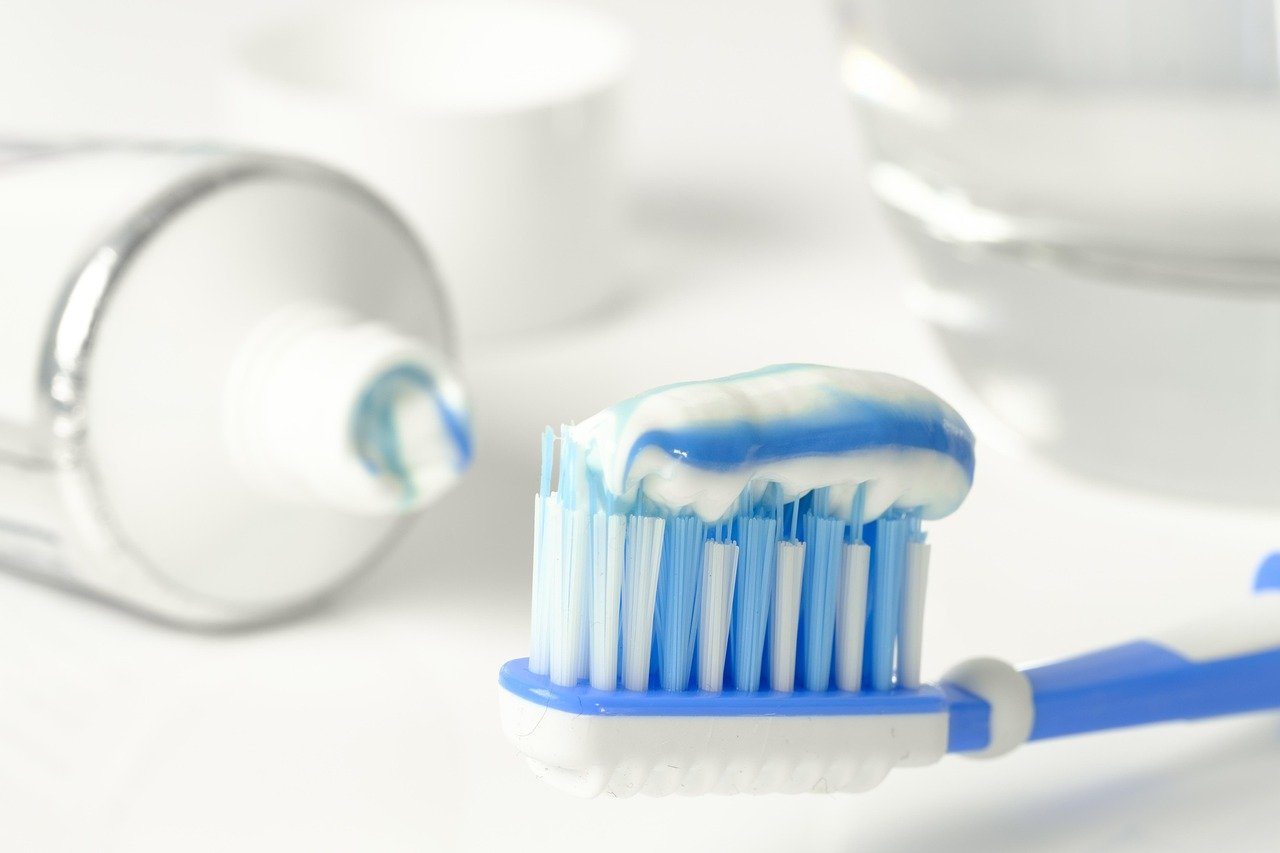
- Brushing Twice Daily: Brush your teeth at least twice a day for two minutes each time, using a soft-bristled toothbrush and fluoride toothpaste. Use gentle, circular motions to clean all surfaces of your teeth, including along the gum line.
- Flossing Daily: Floss at least once a day to remove plaque and food particles from between your teeth and under the gum line, where your toothbrush can’t reach.
- Using Mouthwash: An antimicrobial mouthwash can help kill bacteria and reduce plaque buildup. Choose a mouthwash that is specifically designed to fight gingivitis.
- Tongue Scraping: Bacteria can accumulate on your tongue, contributing to bad breath and plaque buildup. Use a tongue scraper daily to remove this bacteria.
Regular Dental Check-ups
Professional dental cleanings and check-ups are essential for maintaining healthy gums. Your dentist can detect early signs of gum disease and provide treatment before it progresses.
- Professional Cleanings: During a professional cleaning, your dentist or hygienist will remove plaque and tartar (hardened plaque) from your teeth and below the gum line.
- Dental Examinations: Your dentist will examine your gums for signs of inflammation, bleeding, and recession. They may also take X-rays to assess the health of the bone supporting your teeth.
- Personalized Advice: Your dentist can provide personalized advice on how to improve your oral hygiene practices and address any specific concerns you may have. The general recommendation is to schedule a visit every 6 months.
Lifestyle Factors That Impact Gum Health
Certain lifestyle factors can increase your risk of developing gum disease. Making healthy lifestyle choices can significantly improve your gum health.
- Smoking: Smoking is a major risk factor for gum disease. It weakens the immune system, making it harder to fight off infection, and it impairs the healing process. Quitting smoking is one of the best things you can do for your gum health.
- Diet: A diet high in sugar and processed foods can contribute to plaque buildup and inflammation. Eat a balanced diet rich in fruits, vegetables, and whole grains.
- Stress: Chronic stress can weaken the immune system and increase inflammation. Find healthy ways to manage stress, such as exercise, meditation, or spending time in nature.
- Underlying Health Conditions: Certain health conditions, such as diabetes, can increase your risk of gum disease. Manage any underlying health conditions effectively to protect your gums.
Treating Gum Disease
Non-Surgical Treatments
In the early stages of gum disease, non-surgical treatments are often effective in controlling the infection and promoting healing.
- Scaling and Root Planing: This deep cleaning procedure removes plaque and tartar from below the gum line and smooths the tooth roots to help the gums reattach. It is often performed under local anesthesia.
- Antibiotics: Antibiotics may be prescribed to kill bacteria and reduce inflammation. They can be administered orally or directly into the gum pockets.
- Antimicrobial Mouthwashes: Prescription-strength antimicrobial mouthwashes can help kill bacteria and reduce plaque buildup. Your dentist may recommend using an antimicrobial mouthwash as part of your treatment plan.
Surgical Treatments
In more advanced cases of gum disease, surgery may be necessary to restore the supporting structures of your teeth.
- Flap Surgery: This procedure involves lifting the gums to remove plaque and tartar from deep pockets and then repositioning the gums to create a tighter seal around the teeth.
- Bone Grafting: Bone grafting is used to replace bone that has been lost due to gum disease. The grafted bone helps to stabilize the teeth and support the gums.
- Guided Tissue Regeneration: This procedure uses a membrane to guide the growth of new bone and tissue in areas where they have been lost due to gum disease.
- Gum Grafting: Gum grafting is used to cover exposed tooth roots with healthy gum tissue. This can help to reduce sensitivity, prevent further gum recession, and improve the appearance of your smile.
Conclusion
Maintaining healthy gums is an investment in your oral and overall well-being. By understanding the importance of gum health, recognizing the signs of gum disease, implementing effective preventative measures, and seeking timely treatment when necessary, you can protect your teeth, prevent tooth loss, and enjoy a healthy, confident smile for years to come. Don’t underestimate the power of a healthy gum line – it’s the foundation for a healthy mouth and a healthier you!