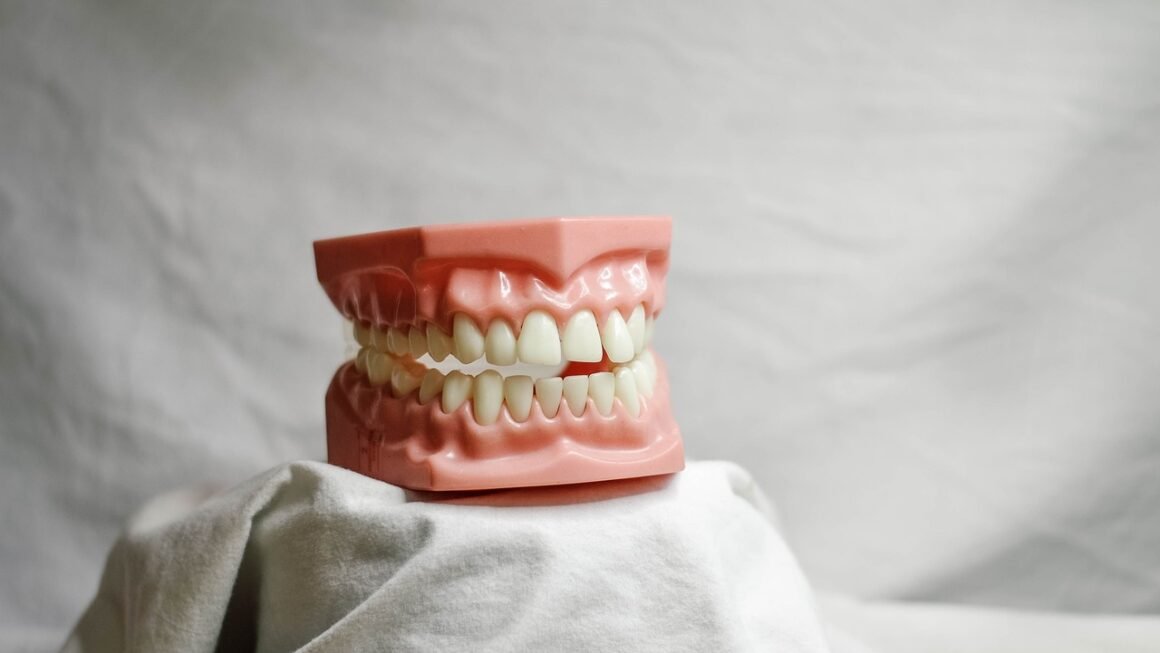
Maintaining healthy gums is essential for overall oral health and can significantly impact your well-being. Often overlooked, the health of your gums directly influences the stability of your teeth and can even be an indicator of systemic health issues. This comprehensive guide provides valuable insights and practical tips on how to achieve and maintain healthy gums for a lifetime of smiles.
Understanding the Importance of Healthy Gums
The Role of Gums in Oral Health
Gums, or gingiva, are the pink tissue that surrounds and supports your teeth. They act as a protective barrier, preventing bacteria and debris from entering the bloodstream. Healthy gums are firm, pink, and fit snugly around the teeth. When gums are unhealthy, they can become inflamed, bleed easily, and even recede, exposing the roots of your teeth. This can lead to tooth sensitivity, decay, and eventually, tooth loss.
Think of your gums as the foundation of a building – if the foundation is weak, the entire structure is at risk. Similarly, unhealthy gums can compromise the stability and health of your teeth.
Connection Between Gum Health and Overall Health
Studies have increasingly linked gum disease, also known as periodontitis, to several systemic health conditions. Inflammation in the gums can trigger inflammation throughout the body, contributing to:
- Cardiovascular disease: Bacteria from gum disease can enter the bloodstream and contribute to the formation of plaques in arteries.
- Diabetes: Gum disease can make it harder to control blood sugar levels, and vice versa.
- Respiratory infections: Bacteria from the mouth can be inhaled into the lungs, potentially leading to pneumonia or other respiratory issues.
- Pregnancy complications: Gum disease has been associated with premature birth and low birth weight babies.
The Centers for Disease Control and Prevention (CDC) estimates that nearly half of adults aged 30 and older have some form of periodontal disease, highlighting the widespread impact of gum health on overall health.
Identifying Signs of Unhealthy Gums
Recognizing the Symptoms
Early detection of gum problems is crucial for effective treatment. Be aware of these common signs and symptoms:
- Bleeding gums: Especially when brushing or flossing.
- Red, swollen, or tender gums: Healthy gums should be pink and firm.
- Persistent bad breath: Often caused by bacteria buildup in the mouth.
- Receding gums: Where the gums pull away from the teeth, making them appear longer.
- Loose teeth: A sign of advanced gum disease.
- Changes in bite: A change in the way your teeth fit together when you bite.
- Pus between teeth and gums: Indicating an infection.
If you experience any of these symptoms, it’s essential to schedule an appointment with your dentist or periodontist as soon as possible.
Stages of Gum Disease
Gum disease progresses through stages, starting with gingivitis and potentially leading to periodontitis:
- Gingivitis: The initial stage, characterized by inflammation and bleeding. It is often reversible with good oral hygiene.
- Periodontitis: An advanced stage where the inflammation has damaged the bone and tissues that support the teeth. This can lead to tooth loss.
Prompt intervention at the gingivitis stage can prevent the progression to periodontitis and preserve your teeth and overall health.
Effective Oral Hygiene Practices for Healthy Gums
Brushing Techniques
Proper brushing is the cornerstone of good gum health. Here’s how to brush effectively:
- Use a soft-bristled toothbrush: Hard bristles can damage your gums and tooth enamel.
- Brush at a 45-degree angle: Aim the bristles towards the gumline.
- Use gentle, circular motions: Avoid scrubbing vigorously, as this can irritate the gums.
- Brush for at least two minutes: Many electric toothbrushes have a built-in timer to help.
- Brush twice a day: Morning and evening are ideal.
Example: Imagine you’re gently massaging your gums with the toothbrush, rather than aggressively attacking your teeth.
Flossing Daily
Flossing removes plaque and debris from between your teeth and along the gumline, areas that your toothbrush can’t reach.
- Use about 18 inches of floss: Wind most of it around your middle fingers, leaving a couple of inches to work with.
- Gently guide the floss between your teeth: Use a sawing motion, avoiding snapping the floss against your gums.
- Curve the floss around each tooth in a “C” shape: Slide the floss gently up and down against the tooth surface, going slightly below the gumline.
- Use a fresh section of floss for each tooth: This prevents spreading bacteria.
- Floss at least once a day: Preferably before bedtime.
If traditional floss is difficult to use, consider using interdental brushes or a water flosser.
The Role of Mouthwash
While not a substitute for brushing and flossing, mouthwash can help kill bacteria and freshen breath.
- Choose an antiseptic mouthwash: Look for ingredients like chlorhexidine or cetylpyridinium chloride.
- Rinse for 30 seconds: Follow the instructions on the bottle.
- Avoid eating or drinking for 30 minutes after rinsing: This allows the mouthwash to work effectively.
Note: Some mouthwashes contain alcohol, which can dry out the mouth. If you have dry mouth, choose an alcohol-free option.
Lifestyle Factors Affecting Gum Health
Diet and Nutrition
A balanced diet rich in vitamins and minerals is crucial for healthy gums.
- Vitamin C: Essential for collagen production, which helps maintain healthy gums. Good sources include citrus fruits, berries, and leafy green vegetables.
- Calcium: Important for strong teeth and bones, which support the gums. Dairy products, fortified plant-based milks, and leafy green vegetables are good sources.
- Omega-3 fatty acids: Help reduce inflammation. Found in fatty fish, flaxseeds, and walnuts.
- Limit sugary foods and drinks: Sugar feeds bacteria in the mouth, contributing to plaque buildup and gum disease.
Example: Incorporate foods like strawberries, bell peppers, and broccoli into your diet to boost your vitamin C intake.
Tobacco Use
Smoking and other forms of tobacco use are significant risk factors for gum disease.
- Smoking weakens the immune system: Making it harder to fight off gum infections.
- Smoking reduces blood flow to the gums: Impairing healing and increasing the risk of tissue damage.
- Smokers are more likely to develop severe gum disease: And are less likely to respond to treatment.
Quitting tobacco is one of the best things you can do for your gum health and overall health.
Stress Management
Stress can weaken the immune system and make you more susceptible to gum disease.
- Practice relaxation techniques: Such as meditation, yoga, or deep breathing exercises.
- Get regular exercise: Physical activity can help reduce stress and boost the immune system.
- Get enough sleep: Aim for 7-8 hours of sleep per night.
Managing stress can contribute to a healthier mouth and a healthier body.
Professional Dental Care for Gum Health
Regular Check-ups and Cleanings
Visiting your dentist for regular check-ups and cleanings is essential for preventing and managing gum disease.
- Comprehensive exam: Your dentist will examine your gums, teeth, and other oral tissues to identify any problems.
- Professional cleaning: A dental hygienist will remove plaque and tartar from your teeth, including below the gumline.
- Early detection: Regular check-ups allow your dentist to detect early signs of gum disease and provide timely treatment.
Most dentists recommend visiting every six months for check-ups and cleanings, but your dentist may recommend more frequent visits if you have gum disease or other oral health concerns.
Treatment Options for Gum Disease
If you have gum disease, your dentist or periodontist may recommend various treatment options, depending on the severity of the condition.
- Scaling and root planing: A deep cleaning procedure that removes plaque and tartar from below the gumline and smooths the root surfaces to help the gums reattach to the teeth.
- Antibiotics: May be prescribed to control infection.
- Surgery: In advanced cases, surgical procedures such as flap surgery or bone grafting may be necessary to repair damaged tissues and bone.
- Laser therapy: Some dentists use lasers to remove damaged tissue and promote healing.
Following your dentist’s recommendations for treatment and maintaining good oral hygiene at home is crucial for successful management of gum disease.
Conclusion
Maintaining healthy gums requires a consistent commitment to proper oral hygiene, a healthy lifestyle, and regular professional dental care. By understanding the importance of healthy gums, recognizing the signs of gum disease, and adopting effective preventive measures, you can protect your oral health and overall well-being. Remember that prevention is key, and early detection and treatment can make a significant difference in preserving your gums and teeth for a lifetime. Don’t wait—prioritize your gum health today for a brighter, healthier future.