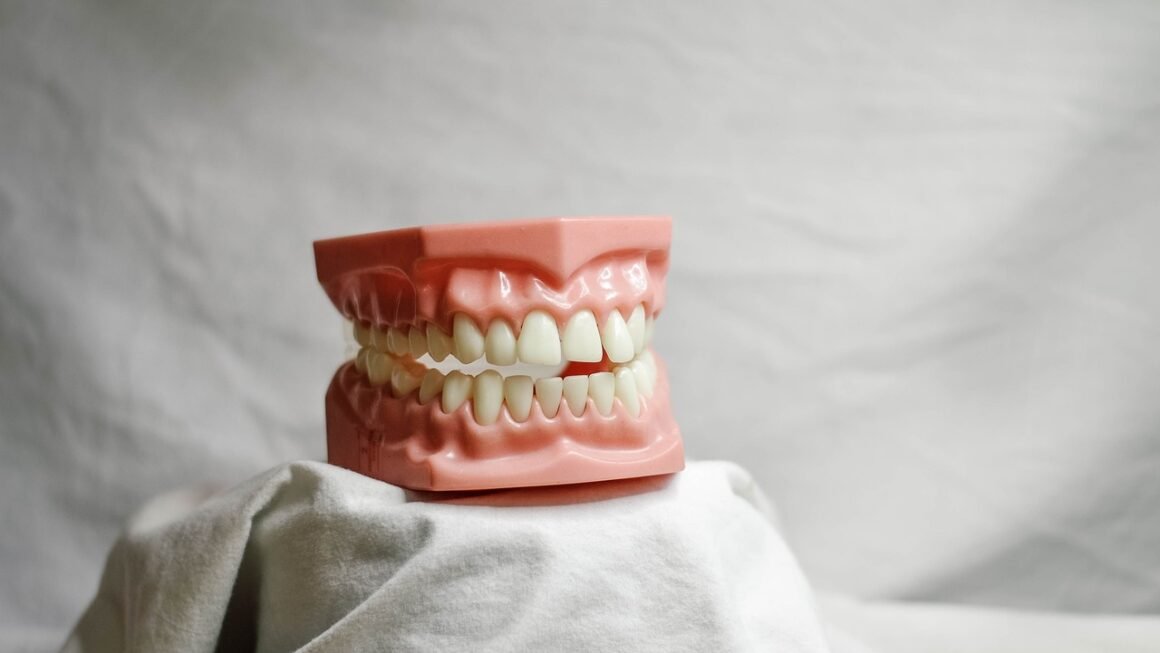
Having healthy gums is more than just about a bright smile; it’s a cornerstone of your overall health. Gum health impacts everything from your breath to your heart, and neglecting it can lead to serious consequences. This blog post will delve into the importance of healthy gums, exploring the causes of gum disease, prevention methods, and treatments to keep your smile shining and your body thriving.
Why Healthy Gums Matter
Healthy gums provide a strong foundation for your teeth and act as a barrier against harmful bacteria entering your bloodstream. When gums become inflamed or infected, it can lead to a cascade of problems, impacting not just your oral health, but also your systemic health. Approximately 47.2% of adults aged 30 years and older have some form of periodontal disease, according to the CDC, highlighting the widespread nature of this issue.
Systemic Health Connections
- Heart Disease: Studies have shown a link between gum disease and an increased risk of heart disease and stroke. Inflammation in the gums can trigger inflammation throughout the body, including the arteries.
- Diabetes: Gum disease can make it harder to control blood sugar levels in people with diabetes. Conversely, poorly controlled diabetes can exacerbate gum disease.
- Respiratory Issues: Bacteria from infected gums can be inhaled into the lungs, potentially leading to respiratory infections, such as pneumonia.
- Pregnancy Complications: Gum disease has been linked to preterm labor and low birth weight babies.
The Impact on Your Smile
- Tooth Loss: Periodontitis, the advanced stage of gum disease, is a major cause of tooth loss in adults.
- Bad Breath (Halitosis): Gum disease creates an environment where bacteria thrive, leading to chronic bad breath.
- Receding Gums: Inflammation can cause gums to recede, exposing more of the tooth and making it sensitive.
- Aesthetic Concerns: Red, swollen, or bleeding gums detract from the appearance of your smile.
Understanding Gum Disease (Periodontal Disease)
Gum disease, also known as periodontal disease, is an infection of the tissues that hold your teeth in place. It’s usually caused by poor oral hygiene, allowing plaque and tartar to build up on the teeth and gums.
Gingivitis: The Early Stage
- Gingivitis is the mildest form of gum disease. It’s characterized by:
Red, swollen gums
Gums that bleed easily when brushing or flossing
Bad breath
- Good oral hygiene and professional cleaning can usually reverse gingivitis. For example, consistently brushing twice a day and flossing once a day can make a huge difference.
Periodontitis: The Advanced Stage
- If gingivitis is left untreated, it can progress to periodontitis. This more severe form of gum disease can cause:
Receding gums
Formation of pockets between the teeth and gums
Bone loss
Loose teeth
Tooth loss
- Periodontitis requires professional treatment, such as scaling and root planing (deep cleaning) or surgery.
Risk Factors for Gum Disease
- Poor Oral Hygiene: Inadequate brushing and flossing are the primary culprits.
- Smoking: Smoking weakens the immune system and makes it harder for gums to heal.
- Diabetes: As mentioned earlier, diabetes and gum disease have a bidirectional relationship.
- Genetics: Some people are genetically predisposed to developing gum disease.
- Certain Medications: Some medications can reduce saliva flow, which can increase the risk of gum disease.
- Hormonal Changes: Hormonal fluctuations during pregnancy or menopause can make gums more sensitive.
Preventing Gum Disease: A Proactive Approach
Preventing gum disease is far easier and less costly than treating it. By adopting a consistent oral hygiene routine and scheduling regular dental visits, you can significantly reduce your risk.
The Foundation: Oral Hygiene
- Brushing: Brush your teeth twice a day for two minutes each time using a soft-bristled toothbrush and fluoride toothpaste. Pay attention to the gumline.
- Flossing: Floss at least once a day to remove plaque and food particles from between your teeth.
- Mouthwash: Use an antiseptic mouthwash to help kill bacteria and reduce plaque. Choose a mouthwash recommended by your dentist.
- Proper Brushing Technique: Hold your toothbrush at a 45-degree angle to your gums and use gentle, circular motions.
Professional Dental Care
- Regular Checkups: Visit your dentist for regular checkups and cleanings, typically every six months.
- Professional Cleaning: A professional cleaning removes plaque and tartar that you can’t remove at home.
- Early Detection: Your dentist can detect early signs of gum disease and recommend appropriate treatment.
Lifestyle Choices
- Quit Smoking: Smoking is a major risk factor for gum disease.
- Manage Diabetes: Control your blood sugar levels to reduce your risk of gum disease.
- Healthy Diet: A balanced diet supports overall health, including gum health. Limit sugary drinks and processed foods.
- Stay Hydrated: Drinking plenty of water helps keep your mouth moist and washes away food particles and bacteria.
Treating Gum Disease: Restoring Your Gum Health
If you develop gum disease, prompt treatment is crucial to prevent further damage and tooth loss. Treatment options vary depending on the severity of the condition.
Non-Surgical Treatments
- Scaling and Root Planing (Deep Cleaning): This procedure removes plaque and tartar from below the gumline and smooths the root surfaces to prevent bacteria from adhering.
- Antibiotics: Your dentist may prescribe antibiotics to help control the infection. This can be in the form of oral medication or localized antibiotic placement.
- Antimicrobial Mouthwash: Prescription-strength antimicrobial mouthwashes can help reduce bacteria in the mouth.
Surgical Treatments
- Flap Surgery (Pocket Reduction Surgery): This procedure involves lifting the gums to remove tartar and bacteria from deeper pockets. The gums are then sutured back in place.
- Bone Grafting: If bone loss has occurred, a bone graft can be used to regenerate lost bone and support the teeth.
- Guided Tissue Regeneration: This procedure uses a membrane to guide the growth of new bone and tissue.
- Gum Grafting: Used to cover exposed tooth roots and restore gum tissue.
Conclusion
Maintaining healthy gums is an essential part of your overall health and well-being. By understanding the causes of gum disease, adopting a proactive prevention strategy, and seeking prompt treatment when necessary, you can protect your gums and enjoy a healthy, beautiful smile for years to come. Remember to prioritize regular dental checkups, practice diligent oral hygiene at home, and make lifestyle choices that support your oral health. Your gums will thank you!