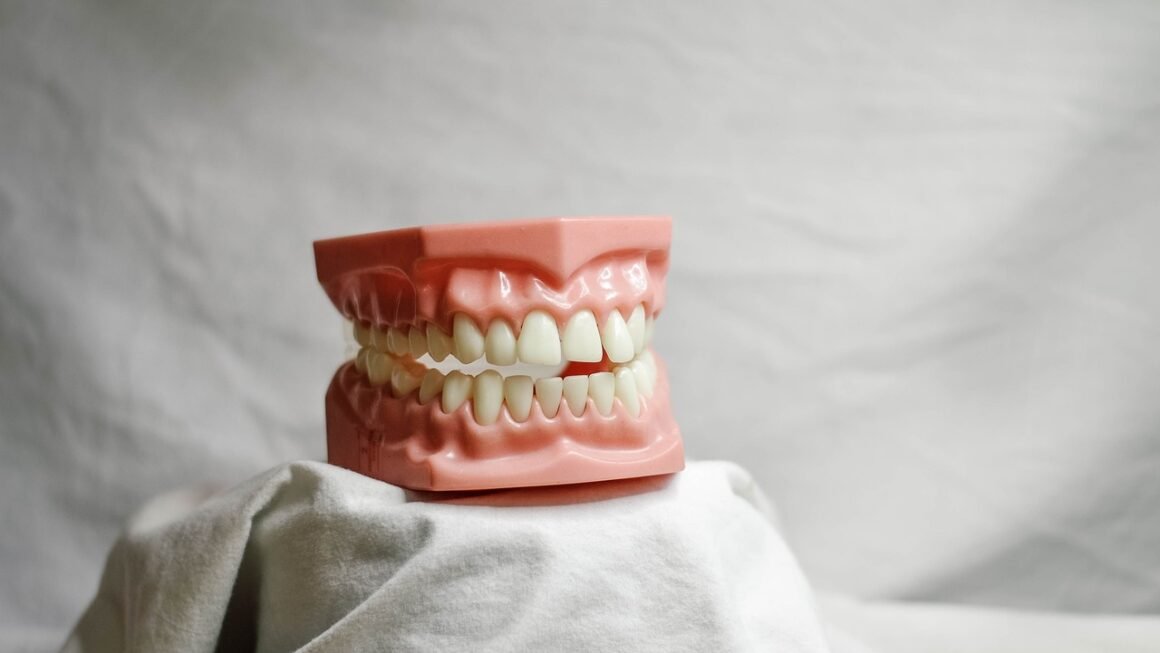
Gum disease, also known as periodontal disease, is a common infection that damages the soft tissues and bone that support your teeth. If left untreated, it can lead to tooth loss and other serious health problems. But the good news is that gum disease is often preventable! With proper oral hygiene and regular dental check-ups, you can significantly reduce your risk and maintain a healthy, confident smile. This guide will walk you through everything you need to know about gum disease prevention.
Understanding Gum Disease and Its Causes
What is Gum Disease?
Gum disease is an inflammatory condition affecting the gums and supporting structures of your teeth. It starts with gingivitis, an early stage characterized by red, swollen, and bleeding gums. If gingivitis is not treated, it can progress to periodontitis, a more severe form that causes irreversible damage to the bone and tissues that hold your teeth in place. Ultimately, periodontitis can lead to tooth loss and require more extensive and costly treatments.
The Role of Plaque and Tartar
Plaque, a sticky film of bacteria that constantly forms on your teeth, is the primary culprit behind gum disease. When plaque isn’t removed through regular brushing and flossing, it hardens into tartar (also known as calculus). Tartar is much more difficult to remove and provides a rough surface that attracts more plaque. These bacterial deposits irritate the gums, triggering an inflammatory response that leads to gum disease.
Risk Factors for Gum Disease
While poor oral hygiene is the main cause, several factors can increase your risk of developing gum disease:
- Smoking: Smoking weakens your immune system, making it harder to fight off gum infections. It also hinders the gums’ ability to heal. Smokers are significantly more likely to develop severe gum disease.
- Diabetes: People with diabetes are more susceptible to infections, including gum disease. High blood sugar levels can also exacerbate the condition.
- Genetics: Some individuals are genetically predisposed to gum disease, regardless of their oral hygiene practices.
- Certain Medications: Some medications, such as those that cause dry mouth, can increase the risk of gum disease. Saliva helps to neutralize acids and wash away food particles.
- Hormonal Changes: Hormonal fluctuations during pregnancy, menopause, or menstruation can make gums more sensitive and vulnerable to gingivitis.
- Poor Nutrition: A diet lacking in essential vitamins and minerals can weaken the immune system and increase susceptibility to gum disease.
Mastering the Art of Oral Hygiene
Brushing Techniques for Healthy Gums
Proper brushing is the cornerstone of gum disease prevention. Here’s how to brush effectively:
- Use a soft-bristled toothbrush: Hard bristles can damage your gums and tooth enamel.
- Brush at a 45-degree angle: Position the toothbrush at a 45-degree angle to your gums.
- Use gentle, circular motions: Avoid scrubbing vigorously, which can irritate your gums.
- Brush for two minutes, twice a day: Many electric toothbrushes have built-in timers to help you brush for the recommended time. A good rule of thumb is to brush after breakfast and before bed.
- Pay attention to all surfaces: Brush the outer, inner, and chewing surfaces of each tooth. Don’t forget to brush your tongue to remove bacteria.
The Importance of Flossing
Flossing removes plaque and food particles from between your teeth, areas that your toothbrush can’t reach. Daily flossing is crucial for preventing gum disease.
- Use about 18 inches of floss: Break off a long enough piece of floss to have a clean section for each tooth.
- Gently slide the floss between your teeth: Use a sawing motion to ease the floss between your teeth.
- Curve the floss around each tooth: Form a “C” shape with the floss against the side of each tooth, going slightly below the gum line.
- Use a clean section of floss for each tooth: This prevents spreading bacteria from one area to another.
Choosing the Right Oral Hygiene Products
Selecting the right products can significantly enhance your oral hygiene routine.
- Toothpaste with Fluoride: Fluoride strengthens tooth enamel and helps prevent tooth decay. Look for the American Dental Association (ADA) Seal of Acceptance.
- Mouthwash: Antiseptic mouthwashes can help kill bacteria and reduce plaque. Choose a mouthwash that is alcohol-free to prevent dry mouth. Consider a fluoride rinse for added protection against cavities.
- Interdental Brushes: These small brushes can clean between teeth, especially in areas where floss is difficult to use.
- Water Flossers: Water flossers (oral irrigators) use a stream of water to remove plaque and food particles. They are a good alternative for people who find traditional flossing difficult.
Regular Dental Check-ups and Professional Cleanings
The Role of Dental Professionals
Even with excellent at-home oral hygiene, regular dental check-ups and professional cleanings are essential for preventing gum disease. Dentists and dental hygienists can identify early signs of gum disease that you might not notice yourself. They can also remove tartar and plaque that has hardened and is difficult to remove with regular brushing and flossing.
What to Expect During a Dental Check-up
A typical dental check-up includes:
- Examination: The dentist will examine your teeth and gums for signs of decay, gum disease, and other oral health problems.
- X-rays: X-rays help the dentist see areas that are not visible during a visual examination, such as decay between teeth or bone loss.
- Professional Cleaning: A dental hygienist will remove plaque and tartar from your teeth using special tools like scalers and polishers. This process is called scaling and root planing, and it helps to smooth the tooth surfaces, making it harder for plaque to accumulate.
- Oral Hygiene Instructions: The hygienist will provide personalized recommendations for improving your oral hygiene routine.
How Often Should You Visit the Dentist?
Most people should visit the dentist for a check-up and cleaning every six months. However, individuals with risk factors for gum disease, such as smokers or those with diabetes, may need to visit more frequently.
Lifestyle Choices for Gum Health
The Impact of Diet on Gum Disease
What you eat can significantly affect your gum health. A balanced diet rich in vitamins and minerals is essential for a strong immune system and healthy gums.
- Limit Sugary Foods and Drinks: Sugar feeds the bacteria in plaque, increasing your risk of tooth decay and gum disease.
- Eat a Variety of Fruits and Vegetables: Fruits and vegetables are rich in vitamins and antioxidants, which help protect your gums from inflammation. Vitamin C, in particular, is important for gum health.
- Stay Hydrated: Drinking plenty of water helps to wash away food particles and keep your mouth moist, reducing the risk of dry mouth and plaque buildup.
Quitting Smoking
Smoking is a major risk factor for gum disease. Quitting smoking is one of the best things you can do for your oral health and overall health. Talk to your doctor about resources and strategies to help you quit.
Managing Stress
Stress can weaken your immune system and make you more susceptible to infections, including gum disease. Find healthy ways to manage stress, such as exercise, meditation, or spending time with loved ones.
Early Detection and Treatment
Recognizing the Signs of Gum Disease
Early detection and treatment are crucial for preventing the progression of gum disease. Be aware of the following signs and symptoms:
- Red, swollen, or tender gums
- Bleeding gums when brushing or flossing
- Persistent bad breath
- Receding gums (gums pulling away from the teeth)
- Loose teeth
- Changes in your bite
- Pus between your teeth and gums
When to Seek Professional Help
If you notice any of these signs, schedule an appointment with your dentist as soon as possible. Early treatment can help prevent further damage and save your teeth. Don’t wait for pain; often, gum disease is painless in its early stages.
Available Treatment Options
Treatment for gum disease depends on the severity of the condition. Common treatments include:
- Scaling and Root Planing: A deep cleaning procedure to remove plaque and tartar from below the gum line and smooth the tooth roots.
- Antibiotics: Antibiotics may be prescribed to control infection.
- Surgery: In severe cases, surgery may be necessary to repair damaged tissues or bone. This can include flap surgery (to clean under the gums) or bone grafting (to replace lost bone).
Conclusion
Preventing gum disease is an ongoing process that requires a commitment to good oral hygiene, regular dental check-ups, and healthy lifestyle choices. By understanding the causes and risk factors of gum disease and taking proactive steps to protect your gums, you can maintain a healthy smile for years to come. Remember that early detection and treatment are crucial for preventing the progression of gum disease and preserving your oral health.