Is your jaw causing you more than just a bad bite? Are you experiencing difficulties with chewing, speaking, or even breathing? Orthognathic surgery, commonly known as corrective jaw surgery, might be the solution you’ve been searching for. This comprehensive guide will delve into the world of orthodontic surgery, exploring its purpose, procedures, benefits, and what you can expect throughout the entire process. We aim to provide you with the knowledge you need to make informed decisions about your oral health.
What is Orthognathic Surgery?
Understanding Jaw Misalignment
Orthognathic surgery addresses skeletal irregularities of the jaws and face. It’s a complex procedure often performed in conjunction with orthodontic treatment to correct bite problems and improve facial aesthetics. Unlike braces, which only move teeth, orthognathic surgery physically repositions the jaw bones.
- Example: Imagine a house with a foundation that’s shifted. Braces are like redecorating the interior, while orthognathic surgery is like fixing the foundation to ensure everything aligns properly.
Conditions Orthognathic Surgery Can Treat
This type of surgery can correct a variety of conditions, including:
- Open bite (gap between upper and lower teeth when the mouth is closed)
- Underbite (lower jaw protrudes forward)
- Overbite (upper jaw protrudes forward)
- Crossbite (upper teeth fit inside the lower teeth)
- Facial asymmetry (uneven facial features)
- Difficulty chewing or swallowing
- Chronic jaw pain or headache
- Sleep apnea related to jaw position
- Birth defects or traumatic injuries affecting the jaw
The Orthognathic Team: Surgeons and Orthodontists
Orthognathic surgery typically involves close collaboration between an oral and maxillofacial surgeon and an orthodontist. The orthodontist aligns the teeth, preparing them for the surgical repositioning of the jaws. The surgeon then performs the actual surgical procedure. This combined approach ensures optimal results for both function and aesthetics.
The Surgical Process: From Consultation to Recovery
Initial Consultation and Evaluation
The journey begins with a thorough evaluation by the surgical team. This involves:
- Physical examination of the face and jaw
- X-rays, including panoramic and cephalometric radiographs, to assess bone structure and tooth position.
- 3D imaging (CT scans) for a more detailed view of the jaw and skull.
- Photographs to document facial appearance.
- Model surgery: A simulation using models of your teeth and jaws to plan the surgical movements.
- Actionable takeaway: Ask detailed questions during your consultation. Understand the risks, benefits, and alternatives to surgery.
Pre-Surgical Orthodontics
Before surgery, braces are usually necessary to align the teeth within each jaw separately. This phase can take anywhere from 12 to 18 months.
- Purpose: Straighten teeth, create space if needed, and prepare teeth for optimal fit after jaw repositioning.
- Note: Sometimes, tooth extractions are necessary during this phase to create space.
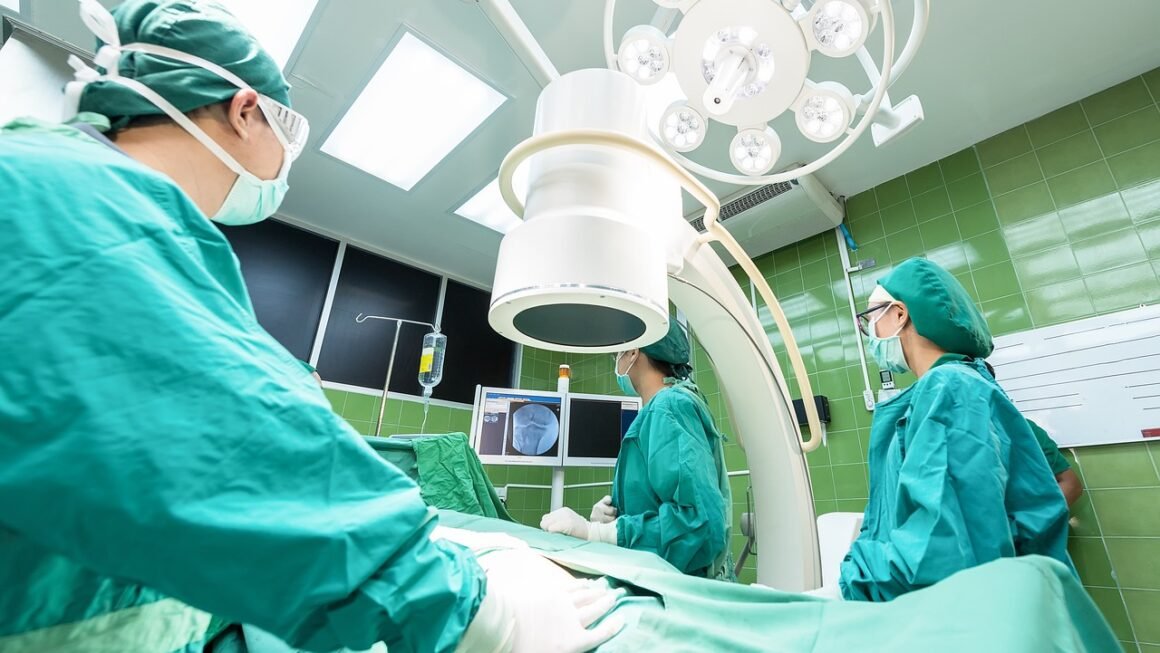
The Surgical Procedure: What to Expect
The actual surgery is performed under general anesthesia. The specific techniques used will depend on the nature of the jaw discrepancy. Common procedures include:
- Mandibular Osteotomy: Repositioning the lower jaw. Incisions are made inside the mouth to access the jawbone, which is then cut and repositioned using plates and screws.
- Maxillary Osteotomy: Repositioning the upper jaw. Similar to mandibular osteotomy, but involving the upper jaw. Can be used to correct vertical, horizontal, or transverse discrepancies.
- Genioplasty: Chin reshaping. Can be performed in conjunction with jaw surgery to improve facial balance.
- Example: A patient with an underbite might undergo a mandibular setback surgery, where the lower jaw is moved backward to align with the upper jaw.
Post-Surgical Recovery and Orthodontics
Recovery typically involves a hospital stay of 1-3 days. Expect swelling, bruising, and discomfort in the days following surgery.
- Diet: Initially, you’ll be on a liquid or soft food diet for several weeks.
- Pain Management: Pain medication will be prescribed to manage discomfort.
- Swelling Reduction: Applying ice packs and keeping your head elevated can help reduce swelling.
- Post-Surgical Orthodontics: After healing, the orthodontist will fine-tune the bite using braces, typically for 6-12 months.
- Data Point: Studies show that patients who follow post-operative instructions closely experience faster healing and fewer complications.
Benefits of Orthognathic Surgery
Improved Functionality
One of the primary benefits of orthognathic surgery is improved oral function. This includes:
- Enhanced Chewing Ability: Properly aligned jaws allow for efficient chewing and digestion.
- Clearer Speech: Correcting jaw discrepancies can improve speech articulation.
- Easier Breathing: Repositioning the jaws can open up the airway, particularly beneficial for individuals with sleep apnea.
Enhanced Facial Aesthetics
Orthognathic surgery can significantly improve facial harmony and balance.
- Improved Facial Symmetry: Correcting jaw asymmetry can create a more balanced and attractive facial appearance.
- Enhanced Profile: Reshaping the jaw can improve the overall profile and jawline.
- Increased Self-Confidence: Many patients report increased self-esteem and confidence after surgery.
- Example: A patient who was self-conscious about their receding chin might undergo a genioplasty in conjunction with jaw surgery, resulting in a more defined and balanced facial profile.
Long-Term Oral Health Benefits
Correcting jaw misalignment can also contribute to long-term oral health.
- Reduced Risk of TMJ Disorders: Proper jaw alignment can reduce stress on the temporomandibular joint (TMJ), minimizing the risk of TMJ disorders.
- Decreased Tooth Wear: Properly aligned teeth experience less wear and tear.
- Improved Gum Health: Easier to clean and maintain teeth with proper bite, reducing the risk of gum disease.
Risks and Considerations
Potential Complications
As with any surgical procedure, orthognathic surgery carries potential risks and complications.
- Bleeding: Excessive bleeding can occur during or after surgery.
- Infection: Infections can develop, requiring antibiotic treatment.
- Nerve Damage: Temporary or permanent nerve damage can result in numbness or altered sensation in the face and jaw.
- Relapse: The jaw can shift back to its original position, requiring further treatment.
- Difficulty Breathing: Swelling can sometimes obstruct the airway.
Cost and Insurance Coverage
Orthognathic surgery can be a significant investment.
- Factors Affecting Cost: The cost varies depending on the complexity of the case, the surgeon’s fees, and the hospital fees.
- Insurance Coverage: Check with your insurance provider to determine the extent of coverage. Many insurance plans cover orthognathic surgery when it’s deemed medically necessary.
- Financing Options: Explore financing options to make the procedure more affordable.
- Actionable Takeaway: Get a detailed cost estimate from your surgeon and contact your insurance provider to understand your coverage options.
Candidacy and Expectations
Not everyone is a suitable candidate for orthognathic surgery.
- Ideal Candidates: Individuals with significant jaw discrepancies that cannot be corrected with orthodontics alone.
- Realistic Expectations: It’s crucial to have realistic expectations about the outcome of surgery. While it can improve function and aesthetics, it’s not a magic bullet.
- Commitment to Treatment:* Orthognathic surgery requires a significant commitment to treatment, including pre-surgical orthodontics, surgery, and post-surgical orthodontics.
Conclusion
Orthognathic surgery is a powerful tool for correcting jaw discrepancies, improving oral function, and enhancing facial aesthetics. While it’s a complex procedure with potential risks, the benefits can be life-changing for individuals struggling with jaw misalignment. If you’re considering orthognathic surgery, consult with a qualified oral and maxillofacial surgeon and orthodontist to determine if it’s the right option for you. With careful planning and a dedicated team, you can achieve a healthier, more functional, and confident smile.