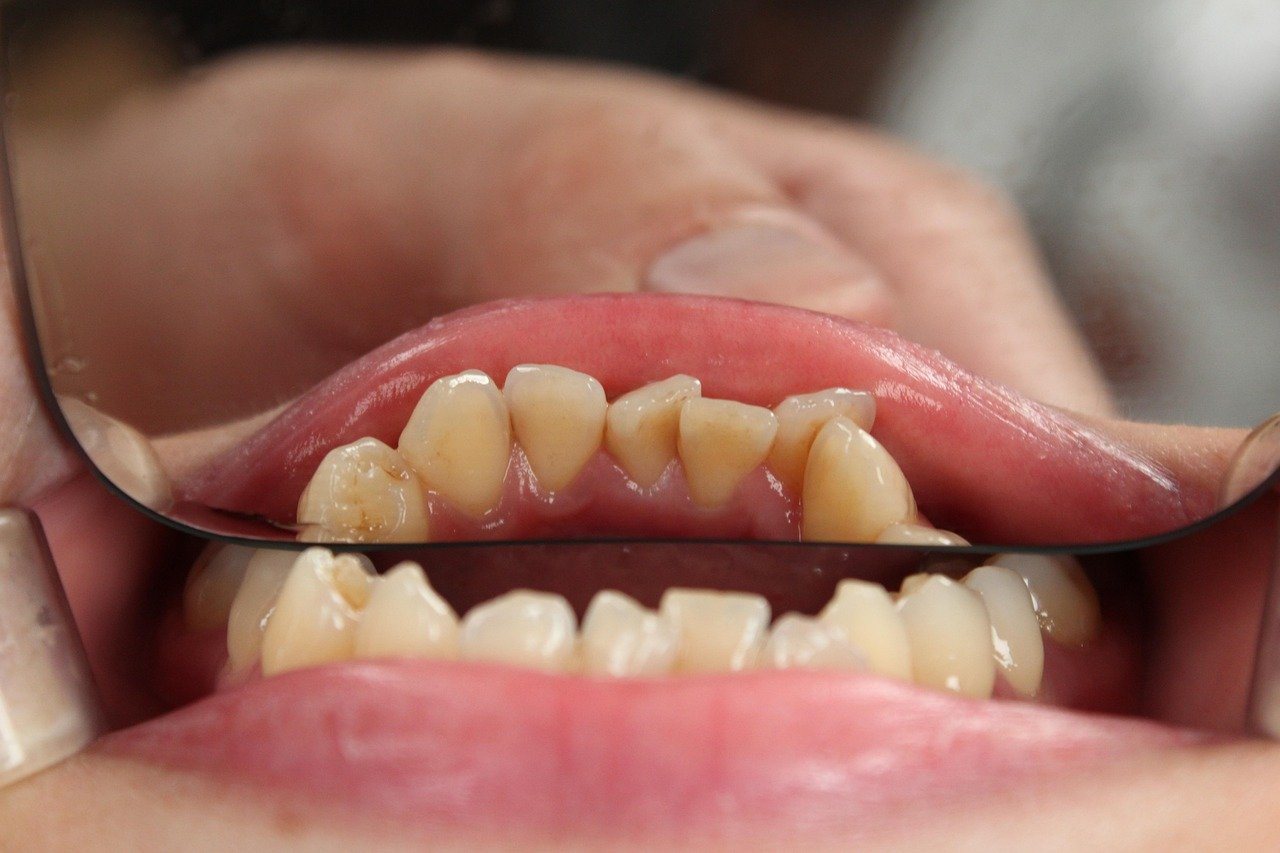
Lingual braces, often called “invisible braces,” offer a discreet solution for straightening teeth. If you’re seeking orthodontic treatment without the visibility of traditional braces, lingual braces might be the perfect choice. This comprehensive guide will explore what lingual braces are, how they work, their benefits, the treatment process, and more, helping you determine if they’re the right option for achieving your dream smile.
What Are Lingual Braces?
The “Invisible” Orthodontic Solution
Lingual braces are a type of orthodontic treatment similar to traditional braces, but with a crucial difference: they are placed on the inside (lingual) surface of your teeth, facing your tongue. This makes them virtually invisible to others, offering a cosmetically appealing alternative to traditional braces. Imagine achieving a perfectly aligned smile without anyone knowing you’re wearing braces!
- They are custom-made for each patient, ensuring a precise fit and effective treatment.
- Lingual braces utilize brackets and wires, similar to traditional braces, but adapted for the unique shape of the inner tooth surface.
- Popular brands include Incognito and Harmony, each offering specific features and benefits.
How Lingual Braces Differ From Traditional Braces and Invisalign
While all three treatments aim to straighten teeth, they have distinct characteristics:
- Traditional Braces: Visible brackets and wires are bonded to the front of the teeth. They are effective for a wide range of orthodontic issues but are the most noticeable.
- Invisalign: Clear, removable aligners are worn over the teeth. They are also discreet but may not be suitable for complex cases. They require patient compliance as they are removable.
- Lingual Braces: Brackets and wires are placed on the inside of the teeth, making them virtually invisible. They offer the effectiveness of traditional braces with enhanced aesthetics. For example, a teenager concerned about the appearance of braces during school may prefer lingual braces for their discreet nature.
Benefits of Choosing Lingual Braces
Aesthetic Advantages
The most significant benefit of lingual braces is their invisibility.
- Virtually Invisible: They are placed on the inside of the teeth, making them practically undetectable.
- Boosts Confidence: Many patients feel more confident and comfortable smiling during treatment without the self-consciousness associated with traditional braces.
Effective Treatment for Various Orthodontic Issues
Lingual braces are capable of correcting a wide range of orthodontic problems:
- Malocclusion: Corrects overbites, underbites, crossbites, and open bites.
- Spacing and Crowding: Effectively closes gaps between teeth and aligns crowded teeth.
- Rotated Teeth: Can successfully rotate teeth into their correct positions.
- Complex Cases: Lingual braces are often suitable for complex orthodontic cases that may not be ideal for Invisalign. For example, a patient with severely rotated teeth and a significant overbite could benefit from lingual braces to achieve the desired results.
Customized Treatment
- Custom-Made Brackets: Each bracket is custom-made for each tooth, ensuring a precise fit and optimal results. This personalization can improve treatment efficiency and comfort.
- Advanced Technology: Modern lingual braces utilize advanced technology, such as CAD/CAM (Computer-Aided Design/Computer-Aided Manufacturing), for precise bracket design and placement.
The Lingual Braces Treatment Process
Initial Consultation and Evaluation
The journey to a straighter smile with lingual braces begins with a comprehensive consultation.
- Comprehensive Examination: Your orthodontist will conduct a thorough examination of your teeth, bite, and overall oral health.
- Diagnostic Records: X-rays, photographs, and impressions of your teeth will be taken to create a detailed treatment plan.
- Treatment Plan Discussion: Your orthodontist will discuss your treatment goals, the expected duration of treatment, and the cost.
Bracket Placement and Adjustment
The placement of lingual braces requires precision and expertise.
- Indirect Bonding: Brackets are typically placed indirectly, which involves creating a custom tray that allows for accurate and efficient bracket placement.
- Regular Adjustments: You’ll need to visit your orthodontist regularly for adjustments to the wires, typically every 4-8 weeks, to guide your teeth into their correct positions.
Duration of Treatment
The length of treatment varies depending on the complexity of your case.
- Average Treatment Time: Most patients wear lingual braces for 18-36 months.
- Factors Affecting Duration: The severity of your orthodontic issues, your age, and your compliance with instructions can all affect the duration of treatment.
Caring for Lingual Braces
Oral Hygiene Practices
Maintaining excellent oral hygiene is crucial during lingual braces treatment.
- Brush After Every Meal: Brush your teeth after every meal to remove food particles and plaque. Use a soft-bristled toothbrush and fluoride toothpaste.
- Floss Daily: Floss daily using a floss threader or interdental brush to clean between your teeth and around the brackets.
- Use a Water Flosser: A water flosser can help remove food particles and plaque from hard-to-reach areas.
- Antimicrobial Mouthwash: Rinse with an antimicrobial mouthwash to kill bacteria and reduce the risk of gum disease.
Dietary Considerations
Certain foods can damage or dislodge lingual braces.
- Avoid Hard and Sticky Foods: Avoid hard foods like nuts and hard candies, as well as sticky foods like caramel and chewing gum.
- Cut Food Into Smaller Pieces: Cut food into smaller pieces to reduce the risk of damaging your braces.
- Limit Sugary Drinks: Sugary drinks can contribute to plaque buildup and tooth decay.
Addressing Potential Discomfort and Speech Alterations
- Initial Discomfort: It’s common to experience some discomfort and speech alterations during the first few weeks after getting lingual braces.
- Wax Application: Apply orthodontic wax to any areas of the braces that are irritating your tongue or cheeks.
- Speech Therapy: If speech alterations persist, consider consulting a speech therapist for exercises to improve your pronunciation.
Conclusion
Lingual braces offer a compelling solution for those seeking discreet orthodontic treatment. Their invisible nature, combined with their effectiveness in correcting various orthodontic issues, makes them an attractive option for adults and teenagers alike. While they require diligent oral hygiene and may initially cause some discomfort or speech alterations, the benefits of achieving a beautifully aligned smile without compromising your appearance are undeniable. If you’re considering orthodontic treatment, consult with an experienced orthodontist to determine if lingual braces are the right choice for you.