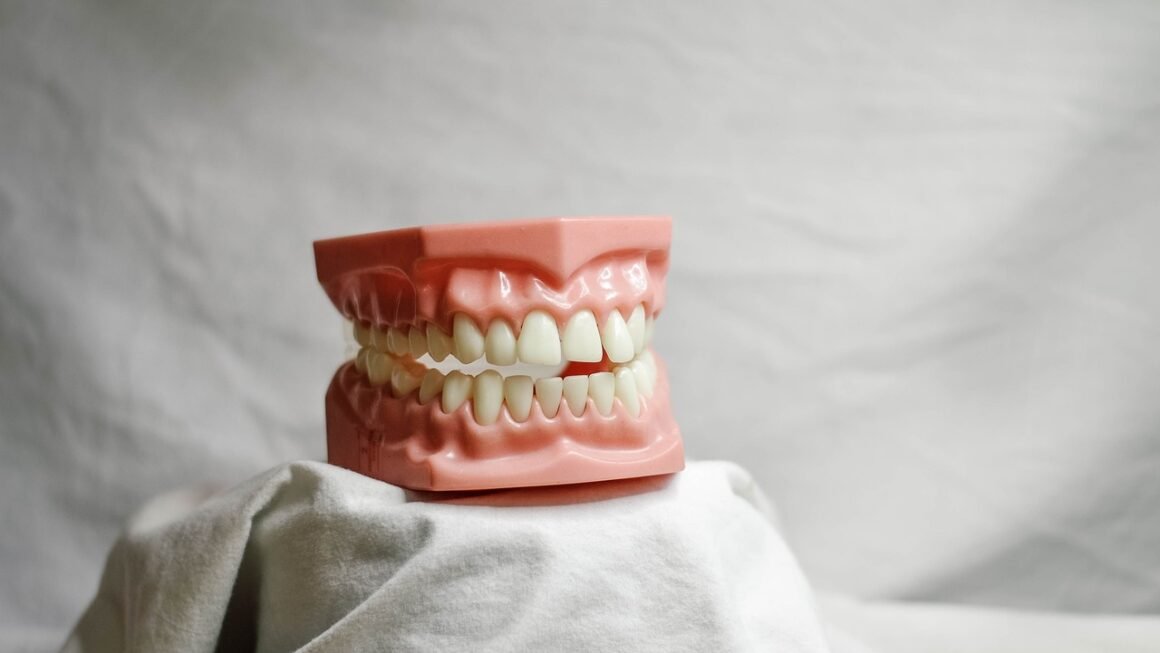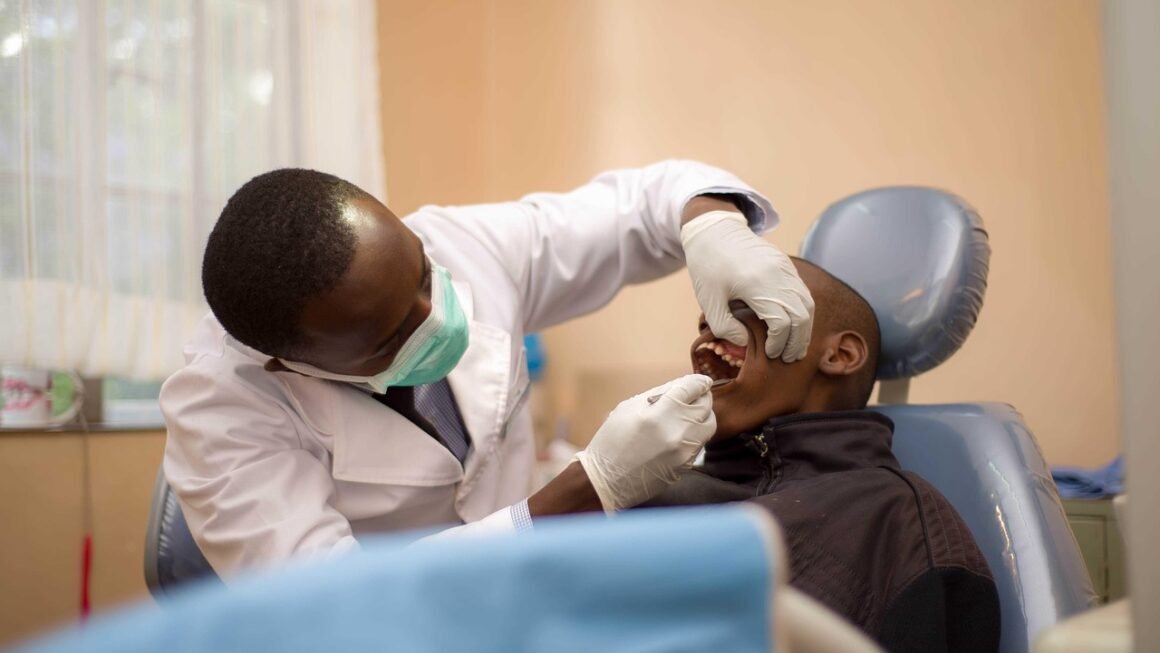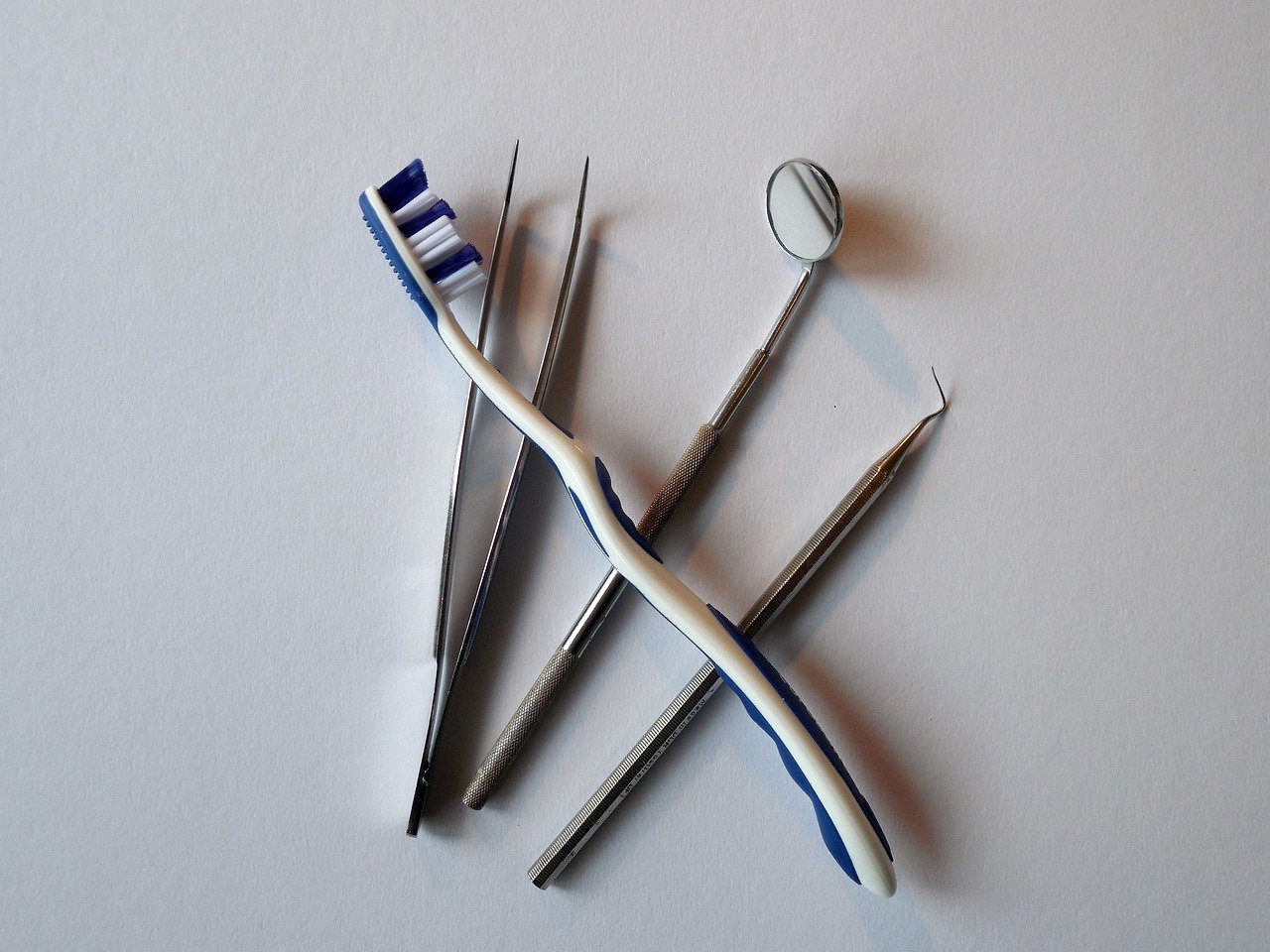
Oral bacteria: tiny organisms with a huge impact. Your mouth is a bustling ecosystem, home to billions of bacteria, both beneficial and harmful. Understanding the role these microscopic organisms play is critical to maintaining optimal oral health and overall well-being. This comprehensive guide will explore the fascinating world of oral bacteria, examining their types, impact, and strategies for maintaining a healthy oral microbiome.
The Oral Microbiome: A Complex Ecosystem
What is the Oral Microbiome?
The oral microbiome refers to the diverse community of microorganisms living in your mouth. It includes bacteria, fungi, viruses, and protozoa. While some bacteria are beneficial and aid in digestion and maintaining a healthy environment, others can contribute to oral diseases like cavities and gum disease.
- The oral microbiome is second only to the gut in terms of microbial diversity.
- Its composition varies significantly between individuals due to factors such as genetics, diet, and oral hygiene habits.
- A balanced oral microbiome is essential for maintaining oral health.
Beneficial vs. Harmful Bacteria
Not all bacteria are created equal. Some play a vital role in maintaining a healthy oral environment. They help to:
- Break down food particles.
- Produce antimicrobial compounds that inhibit the growth of harmful bacteria.
- Stimulate the immune system to protect against infection.
Harmful bacteria, on the other hand, can cause significant damage. Examples include:
- Streptococcus mutans: A primary culprit in tooth decay, producing acid that erodes tooth enamel.
- Porphyromonas gingivalis: A key player in periodontal disease, causing inflammation and destruction of gum tissue.
- Aggregatibacter actinomycetemcomitans: Another bacterium strongly associated with aggressive forms of periodontitis.
Factors Influencing the Oral Microbiome
Several factors can influence the composition of your oral microbiome. These include:
- Diet: Sugary and starchy foods fuel the growth of acid-producing bacteria.
Example: Frequent snacking on candy or soda creates an acidic environment that promotes tooth decay.
- Oral Hygiene: Inadequate brushing and flossing allow harmful bacteria to thrive.
Example: Skipping flossing allows plaque to build up between teeth, leading to gum inflammation.
- Saliva: Saliva helps to neutralize acids and wash away food debris, providing a protective barrier.
Example: Individuals with dry mouth are more prone to cavities due to the reduced buffering capacity of saliva.
- Smoking: Smoking disrupts the oral microbiome, increasing the risk of gum disease and oral cancer.
- Medications: Certain medications can alter the composition of the oral microbiome.
Example: Antibiotics can kill beneficial bacteria along with harmful ones, disrupting the balance of the oral ecosystem.
- Genetics: Your genetic predisposition can influence the types of bacteria that colonize your mouth.
The Impact of Oral Bacteria on Oral Health
Tooth Decay (Dental Caries)
Tooth decay is caused by acid-producing bacteria that erode tooth enamel. Streptococcus mutans is a major player in this process. These bacteria metabolize sugars and carbohydrates, producing lactic acid as a byproduct. Over time, this acid can dissolve the minerals in tooth enamel, leading to cavities.
- Prevention strategies include:
Reducing sugar intake.
Brushing with fluoride toothpaste.
Using fluoride mouthwash.
Regular dental check-ups and cleanings.
Gum Disease (Periodontal Disease)
Gum disease, also known as periodontal disease, is an infection of the gums and supporting tissues that hold teeth in place. It is primarily caused by bacteria such as Porphyromonas gingivalis and Aggregatibacter actinomycetemcomitans. These bacteria trigger an inflammatory response that damages the gums, bone, and ligaments that support the teeth.
- Stages of gum disease:
Gingivitis (early stage): Characterized by red, swollen, and bleeding gums. Reversible with good oral hygiene.
Periodontitis (advanced stage): Characterized by bone loss, receding gums, and potentially tooth loss. Requires professional treatment.
- Risk factors include: poor oral hygiene, smoking, diabetes, and genetic predisposition.
Bad Breath (Halitosis)
Bad breath, or halitosis, is often caused by bacteria that break down food particles and dead cells in the mouth, producing volatile sulfur compounds (VSCs). These compounds have a foul odor. Common culprits include bacteria residing on the tongue and in the back of the throat.
- Strategies to combat bad breath:
Brush your teeth and tongue thoroughly.
Floss daily to remove food debris.
Use an antibacterial mouthwash.
Stay hydrated to prevent dry mouth.
Visit your dentist to rule out underlying dental problems.
Maintaining a Healthy Oral Microbiome
Effective Oral Hygiene Practices
Good oral hygiene is the cornerstone of a healthy oral microbiome. Key practices include:
- Brushing: Brush your teeth at least twice a day for two minutes each time using fluoride toothpaste.
Technique: Use a soft-bristled toothbrush and gentle, circular motions to clean all surfaces of your teeth.
- Flossing: Floss daily to remove plaque and food particles from between your teeth.
Technique: Use a piece of floss about 18 inches long. Gently slide it between your teeth and use a sawing motion to clean the sides of each tooth.
- Mouthwash: Use an antibacterial mouthwash to kill bacteria and freshen your breath.
Example: Chlorhexidine mouthwash is effective for reducing bacteria but should be used as directed by your dentist.
- Tongue Scraping: Use a tongue scraper to remove bacteria and debris from the surface of your tongue.
Dietary Considerations
Your diet plays a significant role in shaping your oral microbiome. To promote a healthy balance of bacteria, consider the following:
- Limit Sugar Intake: Reduce your consumption of sugary foods and drinks, as they fuel the growth of acid-producing bacteria.
* Example: Substitute sugary snacks with fruits, vegetables, or nuts.
- Stay Hydrated: Drink plenty of water to promote saliva production and wash away food debris.
- Consume Probiotic-Rich Foods: Incorporate foods like yogurt and kefir into your diet, as they contain beneficial bacteria that can help balance your oral microbiome.
- Eat a Balanced Diet: A diet rich in fruits, vegetables, and whole grains provides essential nutrients that support overall oral health.
Professional Dental Care
Regular dental check-ups and cleanings are essential for maintaining a healthy oral microbiome. Your dentist can:
- Remove plaque and tartar that you cannot remove at home.
- Detect and treat early signs of tooth decay and gum disease.
- Provide personalized advice on oral hygiene practices.
- Assess your risk factors for oral diseases and recommend preventive measures.
Oral Bacteria and Systemic Health
The Oral-Systemic Link
Emerging research suggests a strong connection between oral health and overall systemic health. Oral bacteria and inflammation associated with gum disease can enter the bloodstream and contribute to various systemic conditions.
- Cardiovascular Disease: Studies have linked gum disease to an increased risk of heart disease and stroke.
- Diabetes: Gum disease can make it more difficult to control blood sugar levels in people with diabetes, and vice versa.
- Respiratory Infections: Oral bacteria can be aspirated into the lungs, increasing the risk of pneumonia and other respiratory infections, especially in individuals with compromised immune systems.
- Pregnancy Complications: Gum disease has been associated with an increased risk of preterm birth and low birth weight.
- Alzheimer’s Disease: Recent research suggests a potential link between oral bacteria and the development of Alzheimer’s disease.
Managing Oral Bacteria for Overall Well-being
By managing oral bacteria and maintaining good oral hygiene, you can reduce your risk of developing these systemic conditions. Actionable steps include:
- Adhering to a consistent oral hygiene routine.
- Visiting your dentist regularly for check-ups and cleanings.
- Controlling risk factors such as smoking and diabetes.
- Discussing any concerns about oral health with your healthcare provider.
Conclusion
Understanding the complex world of oral bacteria is crucial for maintaining both oral and overall health. By adopting effective oral hygiene practices, making informed dietary choices, and seeking regular professional dental care, you can cultivate a healthy oral microbiome and reduce your risk of oral diseases and systemic conditions. Prioritize your oral health today for a healthier tomorrow.