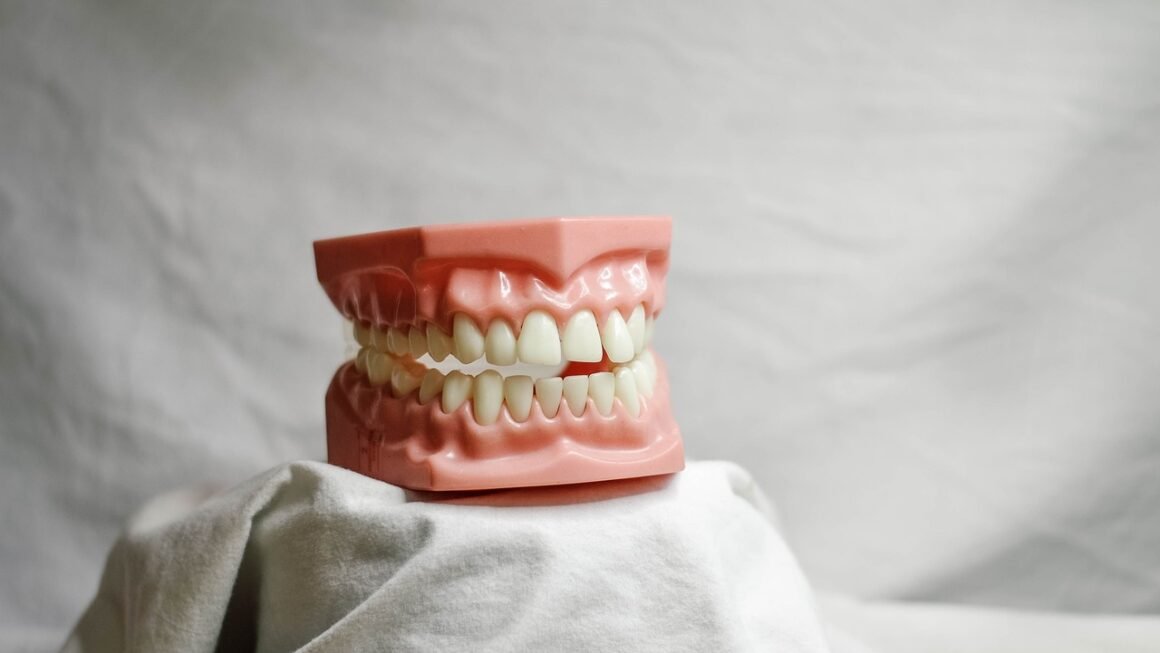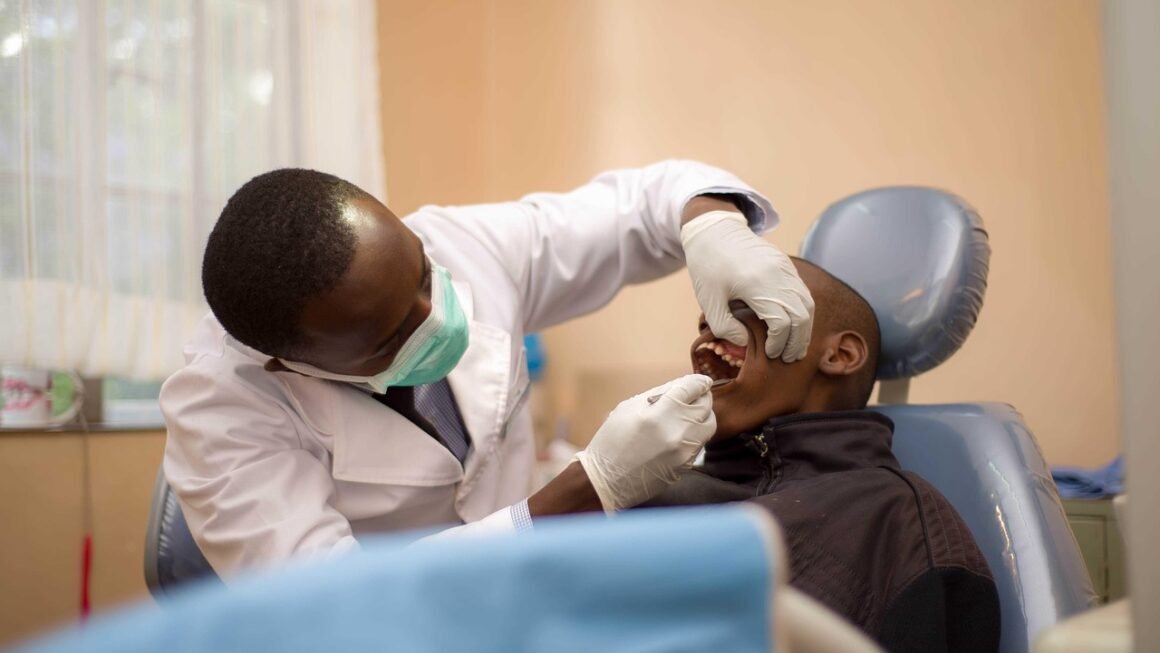
Oral bacteria: tiny organisms with a mighty impact on your dental health. While the phrase might conjure up images of unwelcome germs, the truth is that your mouth is home to a complex ecosystem of bacteria, both beneficial and harmful. Understanding this microbial community is crucial for maintaining a healthy smile and preventing serious dental problems. Let’s delve into the fascinating world of oral bacteria and explore how they affect your well-being.
The Oral Microbiome: A Complex Ecosystem
The human mouth is a thriving environment for a diverse community of microorganisms, primarily bacteria. This complex ecosystem, known as the oral microbiome, plays a crucial role in maintaining oral health, and its balance is essential for overall well-being.
What is the Oral Microbiome?
The oral microbiome is a diverse community of bacteria, fungi, viruses, and other microorganisms that reside in the mouth. It’s a complex and dynamic system where different species interact with each other and with the host (that’s you!). These microorganisms colonize various surfaces in the oral cavity, including teeth, gums, tongue, and saliva.
Good Bacteria vs. Bad Bacteria
Not all bacteria are created equal. Some bacteria are beneficial and help maintain a healthy oral environment, while others are harmful and can contribute to dental problems.
- Beneficial Bacteria: These bacteria help with digestion, nutrient absorption, and can even protect against the growth of harmful bacteria. Some examples include Streptococcus salivarius and Streptococcus sanguinis.
- Harmful Bacteria: These bacteria, such as Streptococcus mutans and Porphyromonas gingivalis, are major contributors to tooth decay, gum disease, and other oral infections. They thrive on sugars and starches, producing acids that erode tooth enamel.
Factors Affecting the Oral Microbiome
Several factors can influence the composition and balance of the oral microbiome:
- Diet: A diet high in sugar and processed foods promotes the growth of harmful bacteria.
- Oral Hygiene: Poor oral hygiene allows harmful bacteria to thrive and form plaque.
- Saliva: Saliva helps to neutralize acids, wash away food particles, and inhibit bacterial growth.
- Antibiotics: Antibiotics can disrupt the balance of the oral microbiome by killing both beneficial and harmful bacteria.
- Smoking: Smoking alters the oral microbiome, increasing the risk of gum disease and oral cancer.
- Genetics: Genetic factors can influence an individual’s susceptibility to certain oral diseases and the composition of their oral microbiome.
Plaque Formation: The Foundation of Oral Problems
Plaque is a sticky film of bacteria that constantly forms on your teeth. It is the primary culprit behind many common oral health issues. Understanding how plaque forms and its impact is critical for effective oral hygiene.
How Plaque Develops
Plaque formation is a complex process that involves several stages:
The Dangers of Plaque
If not removed regularly, plaque can lead to several oral health problems:
- Tooth Decay: Harmful bacteria in plaque produce acids that erode tooth enamel, leading to cavities. Streptococcus mutans is a key player here.
- Gingivitis: Plaque irritates the gums, causing inflammation, redness, and bleeding. This is the early stage of gum disease.
- Periodontitis: If gingivitis is left untreated, it can progress to periodontitis, a more severe form of gum disease that damages the tissues and bone supporting the teeth, potentially leading to tooth loss. Bacteria like Porphyromonas gingivalis are heavily involved in periodontitis.
- Bad Breath (Halitosis): Bacteria in plaque produce volatile sulfur compounds (VSCs) that cause bad breath.
Controlling Plaque Formation
Effective plaque control is essential for maintaining good oral health:
- Brushing: Brush your teeth twice a day for at least two minutes each time, using fluoride toothpaste. Pay attention to all surfaces of your teeth, including the front, back, and chewing surfaces.
- Flossing: Floss daily to remove plaque and food particles from between your teeth and along the gumline, areas that your toothbrush can’t reach.
- Mouthwash: Use an antimicrobial mouthwash to help kill bacteria and reduce plaque. Look for mouthwashes containing chlorhexidine or essential oils.
- Professional Cleanings: Visit your dentist regularly for professional cleanings to remove plaque and tartar buildup.
Common Oral Diseases Caused by Bacteria
Harmful bacteria are the root cause of many common oral diseases. Understanding these diseases and their causes can help you take preventive measures to protect your oral health.
Tooth Decay (Dental Caries)
Tooth decay is one of the most prevalent chronic diseases worldwide. It’s caused by the acid produced by bacteria in plaque, which erodes tooth enamel.
- Causative Bacteria: Streptococcus mutans is the primary culprit in tooth decay. It metabolizes sugars and produces lactic acid, which attacks tooth enamel.
- Risk Factors: A diet high in sugar, poor oral hygiene, reduced saliva flow, and certain medical conditions can increase the risk of tooth decay.
- Prevention: Limit sugary snacks and drinks, brush your teeth twice a day with fluoride toothpaste, floss daily, and visit your dentist regularly for check-ups and cleanings.
Gum Disease (Periodontal Disease)
Gum disease is an infection of the gums and tissues that support your teeth. It ranges from mild gingivitis to severe periodontitis.
- Causative Bacteria: Porphyromonas gingivalis, Aggregatibacter actinomycetemcomitans, and Tannerella forsythia are among the bacteria implicated in gum disease.
- Risk Factors: Poor oral hygiene, smoking, diabetes, genetics, and certain medications can increase the risk of gum disease.
- Prevention: Brush and floss daily, visit your dentist regularly for check-ups and cleanings, avoid smoking, and manage underlying medical conditions like diabetes.
Oral Thrush (Candidiasis)
Oral thrush is a fungal infection of the mouth caused by an overgrowth of Candida yeast.
- Causative Agent: Candida albicans is the most common cause of oral thrush.
- Risk Factors: Weakened immune system, diabetes, use of antibiotics or corticosteroids, and wearing dentures can increase the risk of oral thrush.
- Symptoms: White patches on the tongue, inner cheeks, and palate, redness, soreness, and difficulty swallowing.
- Treatment: Antifungal medications, such as nystatin or fluconazole, are used to treat oral thrush.
Halitosis (Bad Breath)
Halitosis, or bad breath, is a common problem that can affect anyone. While not always caused by bacteria, it often is.
- Causative Bacteria: Anaerobic bacteria that reside on the tongue and in the gums produce volatile sulfur compounds (VSCs), such as hydrogen sulfide, methyl mercaptan, and dimethyl sulfide, which cause bad breath.
- Risk Factors: Poor oral hygiene, dry mouth, smoking, certain foods (e.g., garlic, onions), and medical conditions like sinus infections or gastroesophageal reflux disease (GERD) can contribute to halitosis.
- Prevention: Brush your teeth and tongue twice a day, floss daily, use an antimicrobial mouthwash, stay hydrated, and visit your dentist regularly for check-ups.
Maintaining a Healthy Oral Microbiome
A balanced oral microbiome is essential for maintaining good oral health and preventing oral diseases. Here are some practical tips for promoting a healthy oral microbiome:
Effective Oral Hygiene Practices
- Brush Twice Daily: Brush your teeth for at least two minutes each time, using fluoride toothpaste.
- Floss Daily: Floss to remove plaque and food particles from between your teeth and along the gumline.
- Use Mouthwash: Use an antimicrobial mouthwash to help kill bacteria and reduce plaque.
- Clean Your Tongue: Use a tongue scraper or toothbrush to remove bacteria and debris from your tongue.
Diet and Nutrition
- Limit Sugary Foods and Drinks: Reduce your intake of sugary snacks and drinks, which promote the growth of harmful bacteria.
- Eat a Balanced Diet: Consume a variety of fruits, vegetables, and whole grains, which provide essential nutrients for oral health.
- Stay Hydrated: Drink plenty of water to help keep your mouth moist and promote saliva production.
Probiotics for Oral Health
Probiotics are live microorganisms that can provide health benefits when consumed. Some studies suggest that probiotics may help to improve oral health by promoting the growth of beneficial bacteria and inhibiting the growth of harmful bacteria.
- Benefits of Oral Probiotics:
Reduced plaque and gingivitis
Improved breath odor
Prevention of tooth decay
Boosted immune response
- Sources of Probiotics:
Yogurt
Kefir
Fermented foods (e.g., sauerkraut, kimchi)
Probiotic supplements
Regular Dental Check-ups
Regular dental check-ups are essential for maintaining good oral health. Your dentist can detect early signs of oral diseases and provide professional cleanings to remove plaque and tartar buildup.
- Benefits of Regular Check-ups:
Early detection of dental problems
Professional cleaning to remove plaque and tartar
Personalized oral hygiene advice
Prevention of serious oral diseases
Conclusion
Understanding the role of oral bacteria is paramount for maintaining optimal oral health. By practicing good oral hygiene, following a balanced diet, and visiting your dentist regularly, you can promote a healthy oral microbiome and prevent dental problems. Remember that your mouth is a complex ecosystem, and maintaining its balance is key to a healthy smile and overall well-being. So, brush, floss, and take care of your oral microbiome – your teeth will thank you for it!