Oral bacteria, often misunderstood, are actually a complex and vital part of our mouth’s ecosystem. While some strains are responsible for tooth decay and gum disease, many others play a crucial role in maintaining oral health. Understanding the delicate balance within our mouths and learning how to manage the bacterial populations is key to a healthy smile and overall well-being. This blog post will delve into the fascinating world of oral bacteria, exploring their types, roles, and how we can best support a healthy oral microbiome.
The Oral Microbiome: A Bustling Community
What is the Oral Microbiome?
The oral microbiome is the collective term for all the microorganisms, including bacteria, viruses, fungi, and protozoa, that reside in our mouths. It’s a highly diverse and dynamic community, second only to the gut in terms of microbial diversity. Think of it as a miniature rainforest within your mouth, where different species coexist and interact. The makeup of your oral microbiome is unique to you, influenced by factors like genetics, diet, hygiene habits, and even geographic location. Research suggests that there are over 700 different bacterial species that can be found in the human mouth, though only a fraction are present in any one individual.
Why is it Important?
A balanced oral microbiome is crucial for:
- Digestion: Some bacteria aid in the initial breakdown of food, starting the digestive process.
- Immunity: The oral microbiome acts as a barrier against harmful pathogens, competing for resources and preventing infection.
- Preventing Overgrowth: Beneficial bacteria help to keep the populations of harmful bacteria in check. This balance prevents the overgrowth of bacteria like Streptococcus mutans, which contributes to tooth decay.
- Nitric Oxide Production: Some oral bacteria are involved in the production of nitric oxide, which is important for regulating blood pressure.
Good vs. Bad Oral Bacteria: Identifying the Key Players
The “Good Guys”: Beneficial Bacteria
Many types of bacteria contribute to a healthy oral environment. These beneficial bacteria perform essential functions like:
- Fighting Pathogens: They produce substances that inhibit the growth of harmful bacteria.
- Maintaining pH Balance: They help regulate the acidity in the mouth, preventing tooth enamel erosion.
- Aiding Digestion: They assist in the initial breakdown of complex carbohydrates.
Examples of beneficial bacteria include certain strains of Streptococcus salivarius, which are often found in probiotic lozenges designed to promote oral health.
The “Bad Guys”: Pathogenic Bacteria
These are the bacteria that contribute to oral diseases like:
- Tooth Decay: Streptococcus mutans is the primary culprit, producing acid that erodes tooth enamel. It thrives on sugary foods and creates a sticky biofilm (plaque) on teeth.
- Gum Disease (Gingivitis and Periodontitis): Bacteria like Porphyromonas gingivalis and Aggregatibacter actinomycetemcomitans trigger inflammation and damage the tissues supporting the teeth. Gingivitis is a reversible inflammation of the gums, while periodontitis is a more severe and irreversible form that can lead to tooth loss. Approximately 47.2% of adults aged 30 years and older have some form of periodontal disease, according to the CDC.
- Bad Breath (Halitosis): Certain anaerobic bacteria, often residing on the back of the tongue, produce volatile sulfur compounds (VSCs) that cause bad breath.
Maintaining a healthy balance involves minimizing the presence and activity of these pathogenic bacteria.
Factors Influencing the Oral Microbiome
Diet: Fueling the Good and the Bad
Diet plays a significant role in shaping the oral microbiome. High sugar intake favors the growth of acid-producing bacteria, increasing the risk of tooth decay. A diet rich in processed foods can also disrupt the balance. On the other hand, a diet rich in fruits, vegetables, and whole grains provides essential nutrients and prebiotics that support the growth of beneficial bacteria.
Practical Tip: Limit sugary drinks and snacks. Opt for water, sugar-free gum (xylitol is beneficial), and foods rich in fiber. For example, snacking on celery sticks after a meal can help stimulate saliva production and naturally clean your teeth.
Oral Hygiene: Your First Line of Defense
Regular brushing, flossing, and professional dental cleanings are essential for removing plaque and preventing the buildup of harmful bacteria. Brushing twice a day for two minutes each time is the recommended practice. Flossing removes plaque from between teeth, where toothbrushes can’t reach. Professional dental cleanings remove hardened plaque (tartar) that cannot be removed by brushing and flossing alone. The use of an antibacterial mouthwash can also help to reduce the bacterial load in the mouth, but should not be used as a substitute for brushing and flossing.
Practical Tip: Use a soft-bristled toothbrush and replace it every three months. Consider using an electric toothbrush for more effective plaque removal. Don’t forget to clean your tongue, as it harbors a significant amount of bacteria.
Lifestyle Factors: Smoking, Stress, and Medications
Several lifestyle factors can negatively impact the oral microbiome:
- Smoking: Smoking reduces saliva production, alters the oral pH, and promotes the growth of harmful bacteria. It’s a major risk factor for gum disease and oral cancer.
- Stress: Chronic stress can weaken the immune system, making individuals more susceptible to oral infections. It can also lead to habits like teeth grinding (bruxism), which can damage teeth and gums.
- Medications: Certain medications, such as antihistamines and diuretics, can reduce saliva flow, leading to dry mouth (xerostomia), which increases the risk of tooth decay. Some medications may also alter the composition of the oral microbiome directly.
Maintaining a Healthy Oral Microbiome: Actionable Steps
Probiotics: Boosting the Beneficial Bacteria
Oral probiotics contain beneficial bacteria that can help to restore balance to the oral microbiome. They can be found in lozenges, chewing gum, and mouthwashes. Look for products containing strains of Streptococcus salivarius K12 or M18, Lactobacillus reuteri, or Lactobacillus paracasei. Studies have shown that oral probiotics can reduce plaque, gingivitis, and bad breath.
Practical Tip: Consult with your dentist or doctor before starting an oral probiotic regimen, especially if you have underlying health conditions.
Oil Pulling: An Ancient Practice
Oil pulling involves swishing oil (typically coconut, sesame, or sunflower oil) in your mouth for 15-20 minutes. This practice is believed to help remove bacteria, plaque, and toxins from the mouth. While more research is needed, some studies suggest that oil pulling can reduce Streptococcus mutans counts and improve gum health. It’s important to note that oil pulling should not replace brushing and flossing, but can be used as a complementary practice.
Practical Tip: Use a high-quality, food-grade oil. Swish gently and avoid swallowing the oil. Spit it out into a trash can (not the sink, as it can clog the drain) and rinse your mouth thoroughly with water.
Regular Dental Check-ups: Prevention is Key
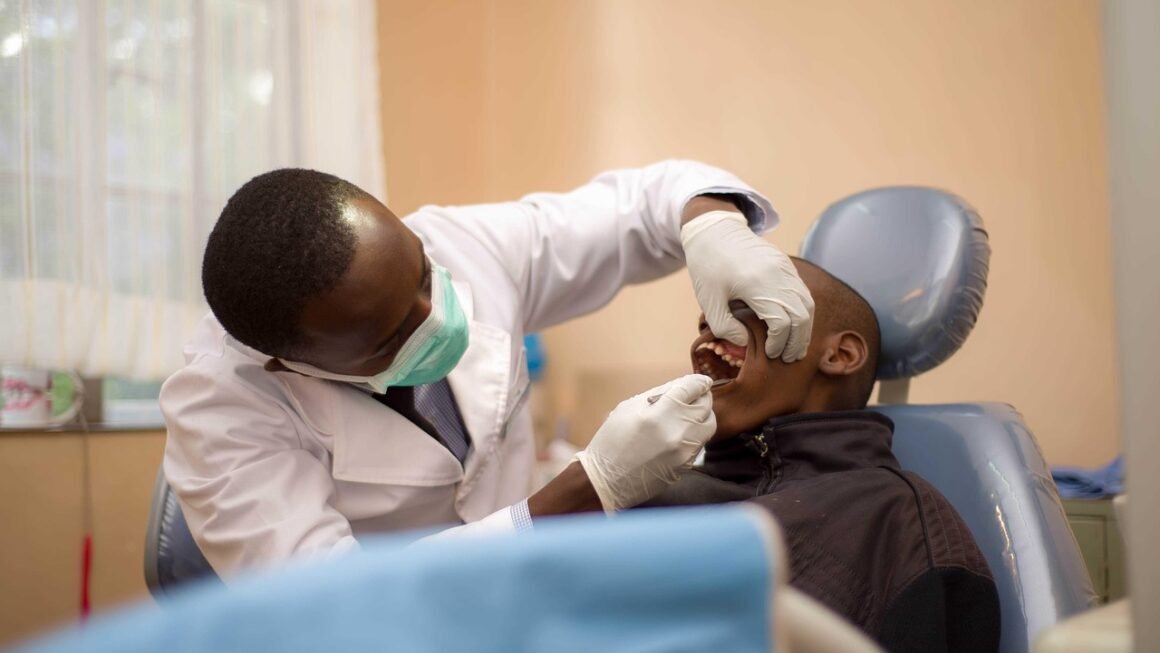
Regular dental check-ups are crucial for early detection and treatment of oral health problems. Your dentist can assess the health of your gums, teeth, and oral tissues, and provide personalized recommendations for maintaining a healthy oral microbiome. Professional cleanings remove plaque and tartar buildup, preventing the progression of gum disease and tooth decay.
Conclusion
Understanding the intricate world of oral bacteria is the first step towards achieving and maintaining optimal oral health. By adopting good oral hygiene practices, making smart dietary choices, and incorporating beneficial strategies like probiotics and oil pulling, you can support a healthy oral microbiome and enjoy a healthy, vibrant smile for years to come. Remember to consult with your dentist regularly for personalized advice and professional care.