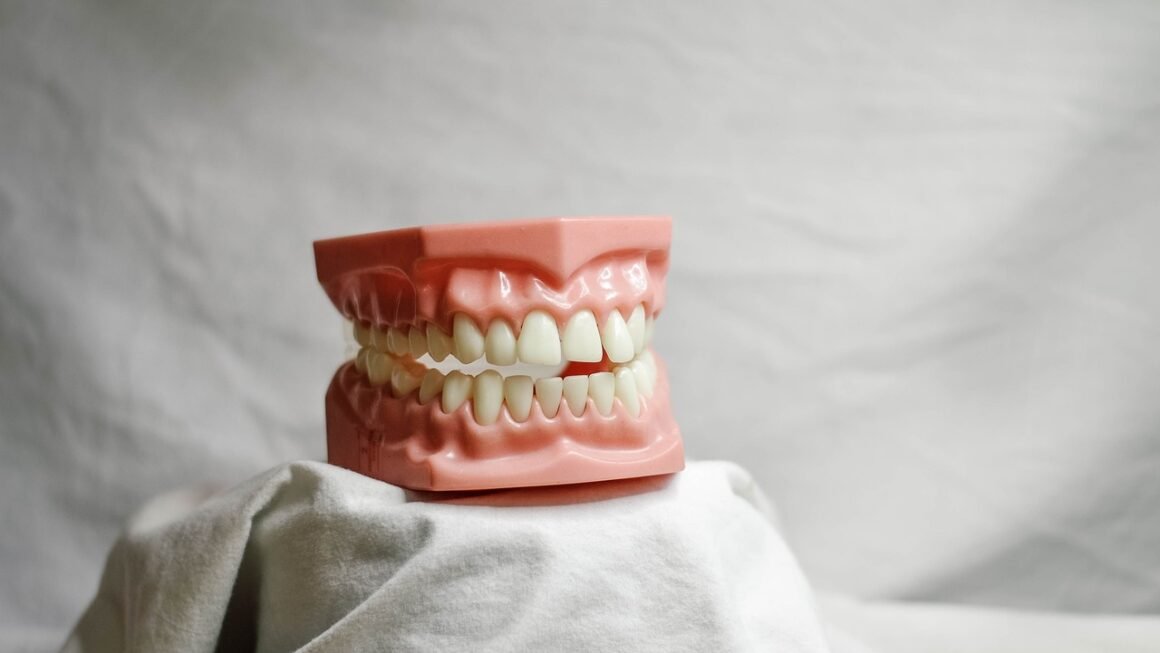
Maintaining excellent dental hygiene is more than just a bright smile; it’s a cornerstone of your overall health and well-being. Neglecting your teeth and gums can lead to a cascade of problems, from cavities and gum disease to more serious systemic health issues. This comprehensive guide will delve into the importance of dental hygiene, providing practical tips and insights to help you achieve and maintain a healthy, radiant smile.
The Foundation of Oral Health: Daily Practices
Brushing Techniques: Mastering the Fundamentals
Effective brushing is the first line of defense against plaque and bacteria. Many people brush, but are they doing it correctly?
- Technique: Use a soft-bristled toothbrush and fluoride toothpaste. Hold the brush at a 45-degree angle to your gums.
- Motion: Use gentle, circular motions, ensuring you cover all surfaces of each tooth – the front, back, and chewing surfaces.
- Duration: Brush for at least two minutes, twice a day – once in the morning and once before bed. A helpful tip is to divide your mouth into four quadrants and spend 30 seconds on each.
- Don’t forget the tongue: Gently brush your tongue to remove bacteria and freshen your breath.
- Toothbrush Replacement: Replace your toothbrush every three months, or sooner if the bristles are frayed. Frayed bristles are less effective at removing plaque.
The Power of Flossing: Reaching the Unreachable
Flossing removes plaque and food particles from between your teeth and under the gumline, areas your toothbrush can’t reach.
- Technique: Use about 18 inches of floss, wrapping the ends around your middle fingers, leaving a few inches to work with. Gently guide the floss between your teeth using a sawing motion.
- Gumline Focus: Curve the floss into a C-shape around each tooth and gently slide it under the gumline.
- Frequency: Floss at least once a day, ideally before bedtime.
- Alternatives: If you find traditional floss difficult to use, consider using floss picks, interdental brushes, or water flossers. These can be especially helpful for people with braces or tight teeth.
- Example: Imagine you ate a piece of popcorn. The husk is stuck between your teeth. Brushing alone won’t remove it; flossing is essential to prevent irritation and potential infection.
Rinsing with Mouthwash: An Added Layer of Protection
Mouthwash can help kill bacteria, freshen breath, and prevent plaque buildup.
- Types: Choose an antiseptic or fluoride mouthwash, depending on your needs. Antiseptic mouthwashes kill bacteria, while fluoride mouthwashes strengthen enamel and help prevent cavities.
- Timing: Use mouthwash after brushing and flossing.
- Duration: Swish the mouthwash around your mouth for 30 seconds as directed by the product label.
- Important Note: Mouthwash should not replace brushing and flossing. It’s an adjunct to, not a substitute for, these essential practices.
- Alcohol Content: Consider alcohol-free options to avoid drying out your mouth.
The Consequences of Neglecting Oral Hygiene
Understanding Tooth Decay (Cavities)
Tooth decay is caused by bacteria in your mouth that produce acids that erode tooth enamel.
- Process: When you eat sugary or starchy foods, the bacteria in your mouth feed on these sugars and produce acids. Over time, these acids can create holes in your teeth, known as cavities.
- Symptoms: Cavities can cause pain, sensitivity to hot and cold, and visible holes in your teeth.
- Prevention: Regular brushing, flossing, and dental checkups are crucial for preventing tooth decay. Fluoride treatments can also help strengthen enamel and make it more resistant to acid attacks.
- Example: Someone who frequently drinks sugary sodas without brushing afterwards is at a high risk of developing cavities.
The Dangers of Gum Disease (Periodontitis)
Gum disease, also known as periodontitis, is an infection of the gums that can damage the soft tissue and bone that support your teeth.
- Stages: Gum disease starts with gingivitis, characterized by red, swollen, and bleeding gums. If left untreated, gingivitis can progress to periodontitis, which can lead to tooth loss.
- Symptoms: Symptoms of gum disease include bleeding gums, bad breath, receding gums, loose teeth, and pain when chewing.
- Risk Factors: Risk factors for gum disease include poor oral hygiene, smoking, diabetes, and certain medications.
- Systemic Links: Research suggests a link between gum disease and other health conditions, such as heart disease, stroke, and diabetes.
- Prevention: Regular brushing, flossing, and professional dental cleanings are essential for preventing gum disease.
Systemic Health Connections
Poor oral hygiene is not isolated to your mouth; it can impact your overall health.
- Heart Disease: Studies suggest a link between gum disease and heart disease. Inflammation caused by gum disease may contribute to the development of heart disease.
- Diabetes: People with diabetes are more susceptible to gum disease, and gum disease can make it more difficult to control blood sugar levels.
- Respiratory Infections: Bacteria from your mouth can be inhaled into your lungs, leading to respiratory infections, such as pneumonia.
- Pregnancy Complications: Gum disease during pregnancy has been linked to premature birth and low birth weight.
- Actionable takeaway: Maintaining good oral health is a crucial part of managing and preventing these systemic conditions.
Professional Dental Care: Partnering for a Healthy Smile
Regular Check-ups and Cleanings: Why They Matter
Professional dental check-ups and cleanings are an essential part of maintaining good oral health.
- Frequency: Most dentists recommend getting a check-up and cleaning every six months. However, your dentist may recommend more frequent visits if you have gum disease or other oral health problems.
- Comprehensive Examination: During a check-up, your dentist will examine your teeth, gums, and mouth for signs of decay, gum disease, and other problems.
- Professional Cleaning: A professional cleaning removes plaque and tartar (hardened plaque) from your teeth, which can help prevent cavities and gum disease.
- Early Detection: Regular check-ups allow your dentist to detect problems early, when they are easier and less expensive to treat.
- X-rays: Dental x-rays can help your dentist detect problems that are not visible during a visual examination, such as cavities between teeth or bone loss.
Advanced Treatments: Restoring and Protecting Your Smile
Beyond routine check-ups and cleanings, dentists offer a range of advanced treatments to restore and protect your smile.
- Fillings: Fillings are used to repair teeth that have been damaged by decay.
- Root Canals: Root canals are used to treat teeth that have infected pulp (the soft tissue inside the tooth).
- Crowns: Crowns are used to cover and protect teeth that are weakened or damaged.
- Bridges: Bridges are used to replace missing teeth.
- Implants: Dental implants are artificial tooth roots that are surgically placed into the jawbone to support a replacement tooth or bridge.
- Orthodontics: Orthodontics, such as braces or Invisalign, are used to straighten teeth and correct bite problems.
- Discuss options: Don’t hesitate to discuss available treatments with your dentist, ask questions, and explore the best course of action for your individual needs.
Choosing the Right Dental Professional
Finding the right dentist is crucial for your oral health.
- Referrals: Ask friends, family, or your primary care physician for recommendations.
- Online Reviews: Check online reviews and ratings to get an idea of other patients’ experiences.
- Credentials: Make sure the dentist is licensed and has the necessary qualifications.
- Insurance: Check if the dentist accepts your dental insurance.
- Comfort: Choose a dentist with whom you feel comfortable and who takes the time to answer your questions and address your concerns.
- Consultation: Schedule a consultation to meet the dentist, discuss your oral health goals, and ask any questions you may have.
Diet and Lifestyle: Fueling a Healthy Smile
The Impact of Food and Drink
What you eat and drink significantly impacts your oral health.
- Sugary Foods and Drinks: Sugary foods and drinks are a major contributor to tooth decay. Limit your intake of sugary snacks, sodas, and juices.
- Acidic Foods and Drinks: Acidic foods and drinks, such as citrus fruits, tomatoes, and vinegar, can erode tooth enamel. Rinse your mouth with water after consuming acidic foods and drinks.
- Starchy Foods: Starchy foods, such as bread, pasta, and potatoes, can also contribute to tooth decay. Brush your teeth after eating starchy foods.
- Water: Drinking plenty of water helps to wash away food particles and bacteria from your mouth.
- Crunchy Fruits and Vegetables: Eating crunchy fruits and vegetables, such as apples and carrots, can help to clean your teeth and stimulate saliva production.
- Cheese: Cheese can help to neutralize acids in your mouth and protect against tooth decay.
Breaking Bad Habits
Certain habits can negatively impact your oral health.
- Smoking: Smoking increases your risk of gum disease, tooth loss, and oral cancer.
- Chewing Tobacco: Chewing tobacco is also a major risk factor for oral cancer.
- Teeth Grinding (Bruxism): Teeth grinding can wear down tooth enamel and cause jaw pain. If you grind your teeth, talk to your dentist about getting a mouth guard.
- Nail Biting: Nail biting can damage your teeth and spread bacteria.
- Using Your Teeth as Tools: Avoid using your teeth to open bottles or tear packages, as this can damage your teeth.
- Example: Replacing sugary sodas with water and snacking on carrots instead of candy are simple yet effective ways to improve your oral health.
Conclusion
Prioritizing dental hygiene is an investment in your overall health and well-being. By adopting effective daily practices, seeking regular professional care, and making informed dietary and lifestyle choices, you can achieve and maintain a healthy, radiant smile for years to come. Remember, a healthy mouth contributes to a healthier you. Start today!