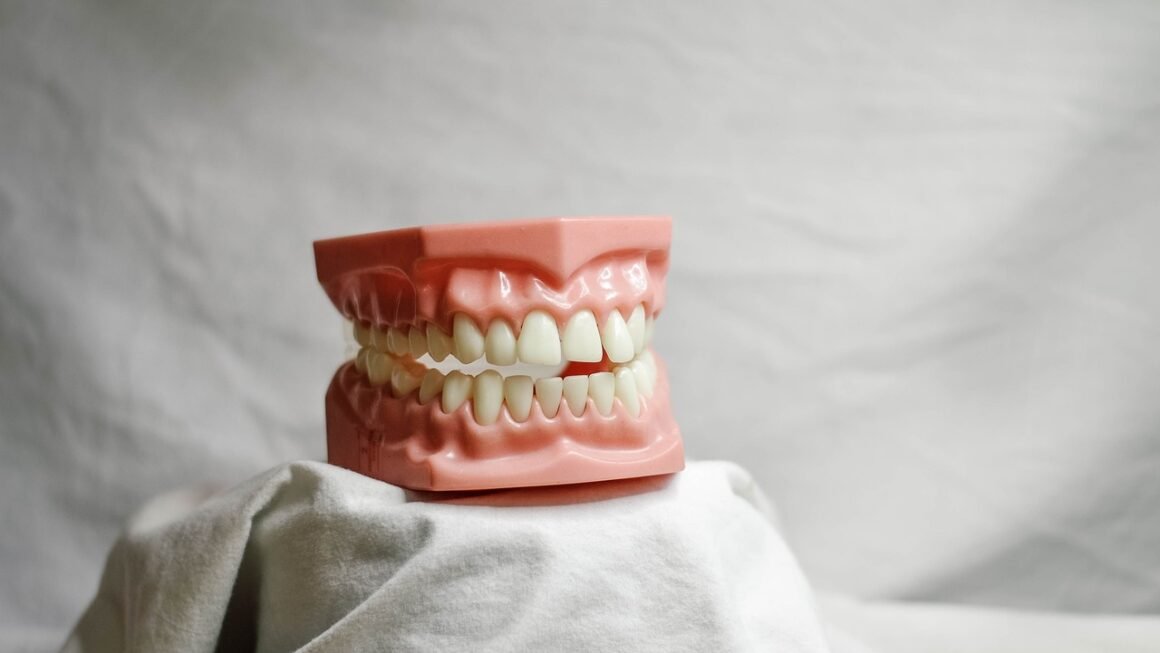
Maintaining a bright smile and fresh breath goes far beyond aesthetics. It’s about investing in your overall well-being. Good dental hygiene isn’t just a routine; it’s a crucial pillar of health, impacting everything from your self-esteem to your systemic health. Neglecting oral care can lead to serious complications, underscoring the importance of prioritizing your pearly whites.
Understanding the Basics of Dental Hygiene
The Daily Grind: Brushing and Flossing
A consistent oral hygiene routine is the foundation of a healthy mouth. This routine should primarily focus on brushing and flossing.
- Brushing: Brush at least twice a day for two minutes each time, ideally after meals. Use a soft-bristled toothbrush and fluoride toothpaste. Focus on reaching all surfaces of your teeth, including the back teeth and along the gumline. Replace your toothbrush every three months or sooner if the bristles are frayed.
- Flossing: Floss daily to remove plaque and food particles from between your teeth and along the gumline where your toothbrush can’t reach. This helps prevent cavities and gum disease.
Example: Gently slide the floss between your teeth, curving it around each tooth in a “C” shape. Use a fresh section of floss for each tooth.
- Mouthwash: Using an antiseptic mouthwash can help kill bacteria and freshen your breath. Choose a mouthwash that contains fluoride for added protection against cavities.
The Science Behind the Shine: Why It Matters
Dental plaque is a sticky film of bacteria that constantly forms on your teeth. When left unremoved, plaque can lead to tooth decay, gum disease (gingivitis), and eventually, periodontitis. Periodontitis is a severe gum infection that can damage the soft tissue and bone that support your teeth, potentially leading to tooth loss. According to the Centers for Disease Control and Prevention (CDC), about 47.2% of adults aged 30 years and older have some form of periodontal disease.
The Impact of Poor Dental Hygiene on Overall Health
Heart Health Connection
Studies have shown a link between poor oral hygiene and heart disease. The inflammation associated with gum disease may contribute to the development of atherosclerosis, a condition where plaque builds up inside the arteries.
- Example: Bacteria from infected gums can enter the bloodstream and attach to fatty plaques in the arteries, potentially leading to blood clots, heart attacks, or strokes.
Diabetes and Oral Health: A Two-Way Street
Diabetes and oral health have a complex, bidirectional relationship. People with diabetes are more susceptible to gum disease, and gum disease can make it harder to control blood sugar levels.
- Example: High blood sugar levels can weaken the immune system, making it harder for the body to fight off bacterial infections in the mouth.
- Actionable Takeaway: If you have diabetes, it’s crucial to maintain excellent oral hygiene and see your dentist regularly.
Respiratory Infections: A Lesser-Known Risk
Poor oral hygiene can increase the risk of respiratory infections, such as pneumonia. Bacteria from the mouth can be inhaled into the lungs, leading to infection.
- Example: Individuals in nursing homes or hospitals who have difficulty maintaining oral hygiene are at a higher risk of developing pneumonia.
Maintaining Optimal Dental Hygiene: Tips and Tricks
Dietary Considerations: Food for Thought
Your diet plays a significant role in your dental health.
- Limit Sugary Foods and Drinks: Sugar feeds the bacteria in your mouth, leading to acid production that can erode tooth enamel.
- Eat Crunchy Fruits and Vegetables: These foods can help scrub away plaque and stimulate saliva production, which helps neutralize acids.
Example: Apples, carrots, and celery are excellent choices.
- Stay Hydrated: Drinking plenty of water helps rinse away food particles and bacteria, keeping your mouth clean.
Professional Cleanings: More Than Just a Polish
Regular dental check-ups and professional cleanings are essential for maintaining optimal oral health. Dentists and hygienists can remove plaque and tartar buildup, detect early signs of dental problems, and provide personalized oral hygiene advice.
- Frequency: Most people should visit the dentist every six months for a check-up and cleaning. However, individuals with certain risk factors, such as gum disease or diabetes, may need to visit more frequently.
Correct Brushing Technique
A proper brushing technique ensures that all surfaces of your teeth are cleaned effectively.
- Angle: Hold your toothbrush at a 45-degree angle to the gumline.
- Motion: Use gentle, circular motions to clean each tooth.
- Duration: Brush for at least two minutes, paying attention to all areas of your mouth.
- Toothpaste: Choose a fluoride toothpaste recommended by dentists.
Identifying and Addressing Common Dental Issues
Gum Disease Warning Signs
Recognizing the early signs of gum disease is crucial for preventing its progression.
- Red, Swollen, or Bleeding Gums: These are common signs of gingivitis.
- Persistent Bad Breath: Can be a sign of bacterial buildup.
- Receding Gums: Indicate the gums are pulling away from the teeth.
- Loose Teeth: A sign of advanced periodontitis.
Cavity Prevention Strategies
Cavities are one of the most common dental problems, but they are also preventable.
- Fluoride: Use fluoride toothpaste and consider fluoride treatments.
- Dental Sealants: Sealants are thin plastic coatings applied to the chewing surfaces of molars to protect them from decay.
- Limit Snacking: Frequent snacking exposes your teeth to acid attacks throughout the day.
Addressing Bad Breath (Halitosis)
Bad breath can be embarrassing, but it’s often a sign of underlying oral health issues.
- Causes: Poor oral hygiene, dry mouth, certain foods, and medical conditions.
- Solutions: Improve your oral hygiene routine, stay hydrated, and see your dentist to rule out any underlying medical problems.
Conclusion
Prioritizing dental hygiene is an investment in your overall health and well-being. By adopting a consistent oral hygiene routine, making informed dietary choices, and seeking regular professional care, you can keep your smile healthy and bright for years to come. Don’t underestimate the power of a healthy mouth – it’s a gateway to a healthier you. Make brushing, flossing, and regular dental visits a non-negotiable part of your self-care routine.